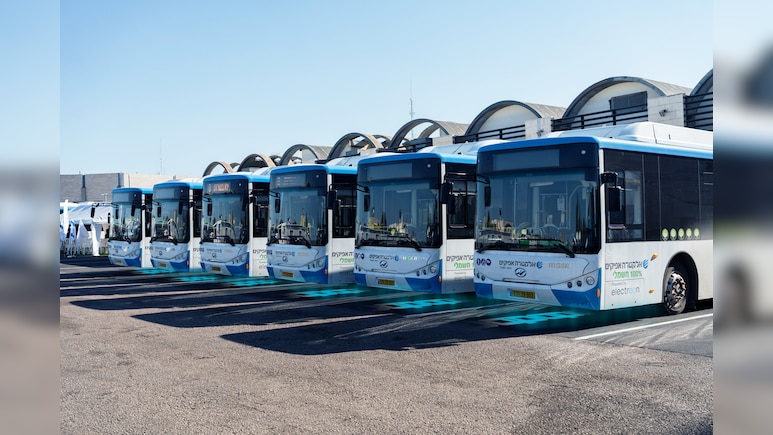
Electreon is pushing the future of electric mobility with its wireless charging technology for public transport. In an interaction with NDTV Automate, during the Samson Smart Mobility Summit 2026 in Tel Aviv, Gilad Sharon, Israel Country Manager at Electreon, explained how the company's charging infrastructure is helping electric buses charge automatically without cables or manual intervention.
How Electreon's Wireless Charging Works?
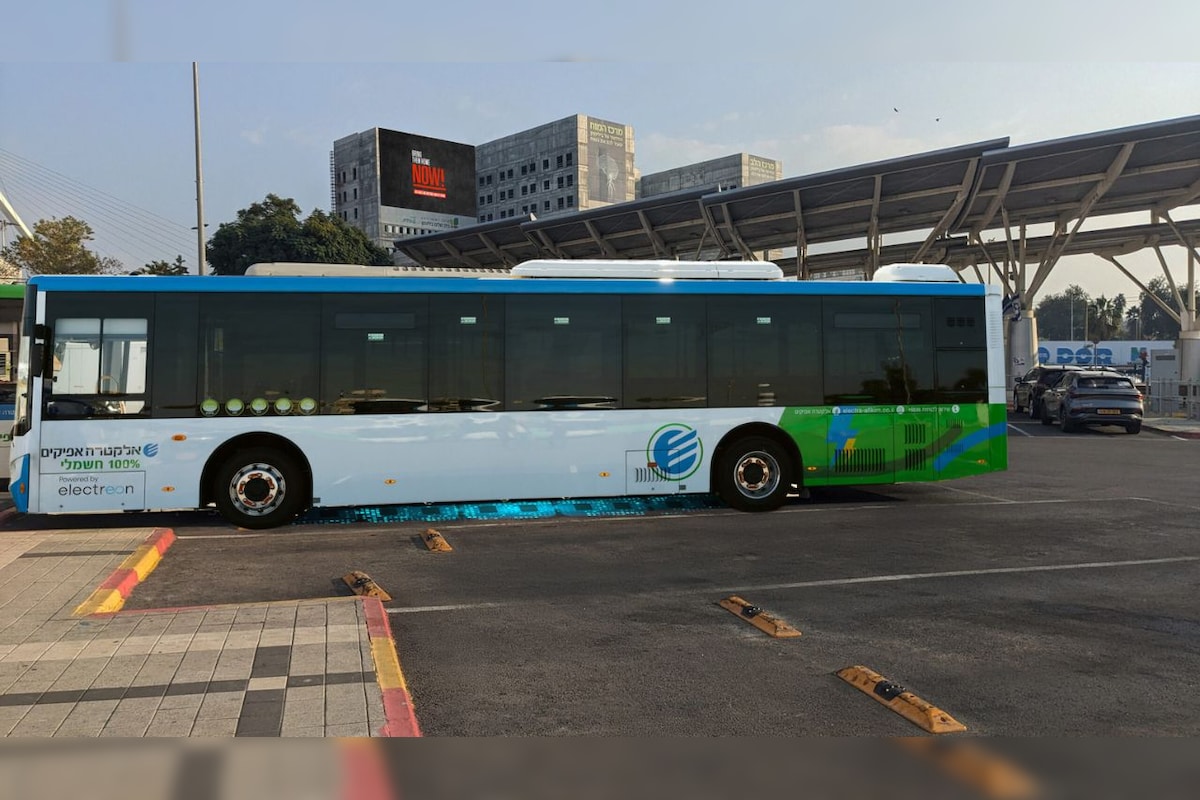
The technology works through wireless charging pads embedded underneath the road surface and parking depots. According to Electreon, electric buses can simply park over these charging points and begin charging automatically. Drivers do not need to plug in chargers or handle cables, making the process smoother and faster for public transport operators.
Speaking to NDTV AutoMate, Gilad Sharon said the operational charging site in Israel has already been running successfully for the last three years. The site is currently being used by one of the country's largest public transport operators. Multiple electric buses at the depot are using the wireless charging system daily.
Why Electreon Believes This Is Better For EV Buses
Electreon explained that the biggest advantage of the system is continuous charging during short stops. Instead of waiting for buses to fully charge using ultra-fast chargers, the buses receive smaller energy top-ups whenever they stop at terminals or depots. The wireless charging system currently supports charging speeds of around 90 kW.
Also Read: Watch: Pope Leo XIV Checks Out Ferrari's Controversial Luce Electric Car
The company also believes this method is more practical and cost-effective for large electric bus fleets. According to Electreon, ultra-fast charging infrastructure can be expensive and may also affect battery life over time. Wireless charging networks across cities can help buses remain operational for longer durations while reducing downtime.
Electreon Could Enter The Indian Market
Electreon also confirmed that it is exploring opportunities in India. Gilad Sharon stated that the Indian electric bus market has seen major growth in recent years, increasing the demand for better charging infrastructure solutions. The company revealed that it has already been approached by several Indian firms interested in developing electric roads and wireless charging terminals.
Also Read: MG Majestor Top Trim Launched In India At Rs 40.99 Lakh
The company sees strong potential in working with Indian public transport authorities and government bodies as more cities move towards the electrification of buses.
Apart from public transport, Electreon is also preparing wireless charging solutions for private vehicles. The brand plans to introduce a home charging setup where users can simply park their EV over a wireless charging mat installed on the garage floor. Electreon also hinted that similar wireless charging systems could eventually appear in shopping malls and public parking areas in the future.
With cities across the world focusing on cleaner mobility solutions, Electreon's wireless charging technology could play an important role in the next phase of EV infrastructure development.
Track Latest News Live on NDTV.com and get news updates from India and around the world
