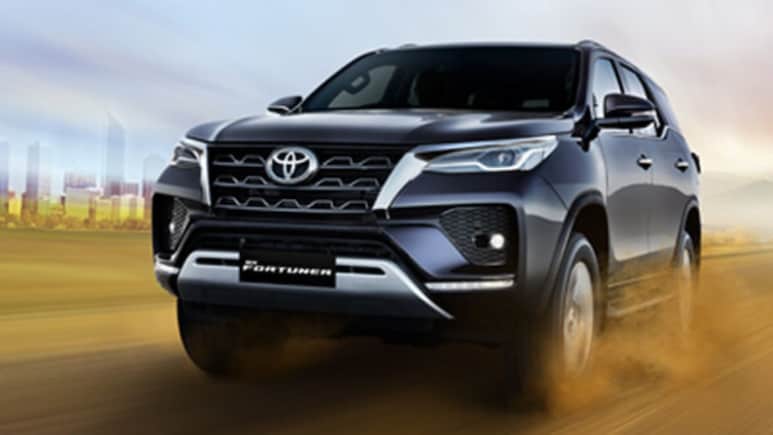
Toyota Fortuner continues to dominate India's premium SUV segment like no other. Despite being significantly more expensive than its rivals, the SUV enjoys an enviable demand curve, long waiting periods, and a near-mythical aspirational status. Its tough build, towering road presence, and bulletproof reliability have cemented its position as the go-to choice for buyers seeking a true-blue SUV experience. Now, with Toyota globally revealing the all-new 2026 Hilux, the next-gen Fortuner's unveiling seems just around the corner. The big question, however, is - what should Toyota carry forward, and what finally needs to change?
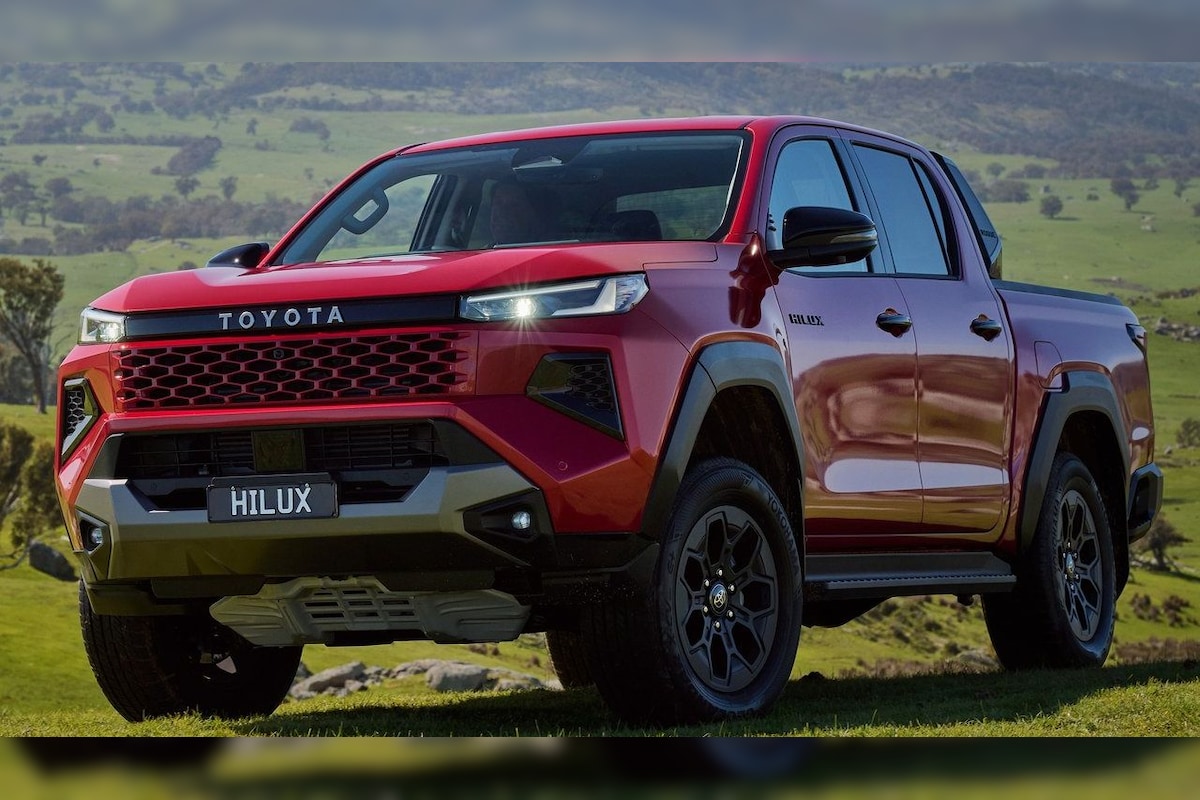
2026 Toyota Hilux
What Toyota Should Retain
Butch Road Presence
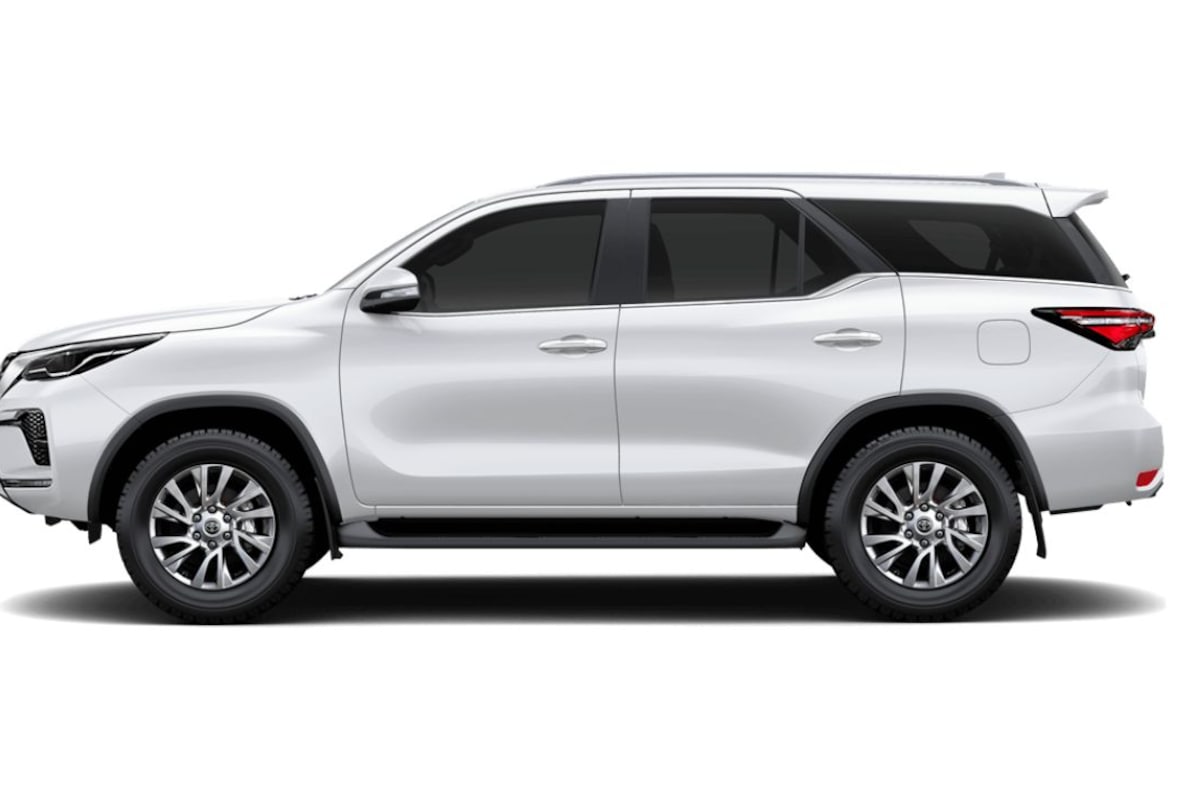
The Fortuner's dominating stance is one of its biggest selling points. The upright proportions, muscular fenders, and high ground clearance give it an unmistakable identity. Toyota must preserve this tough, no-nonsense silhouette that has become synonymous with the SUV.
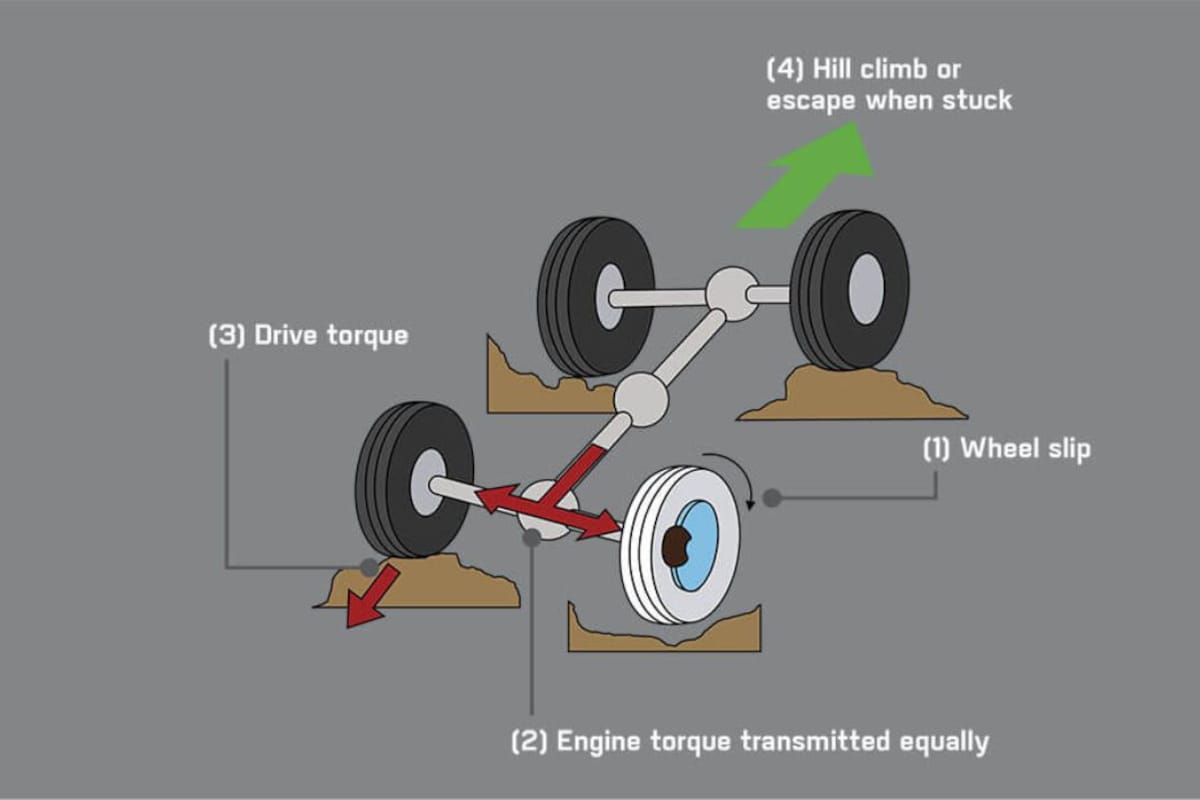
Solid Rear Axle With Locking Differential
Off-road enthusiasts swear by the Fortuner's durability, and a big part of that comes from its rugged rear axle setup with a locking differential. This hardware allows it to tackle extreme terrain, something buyers expect and value. Retaining this setup will ensure the SUV remains a benchmark for reliability and capability.
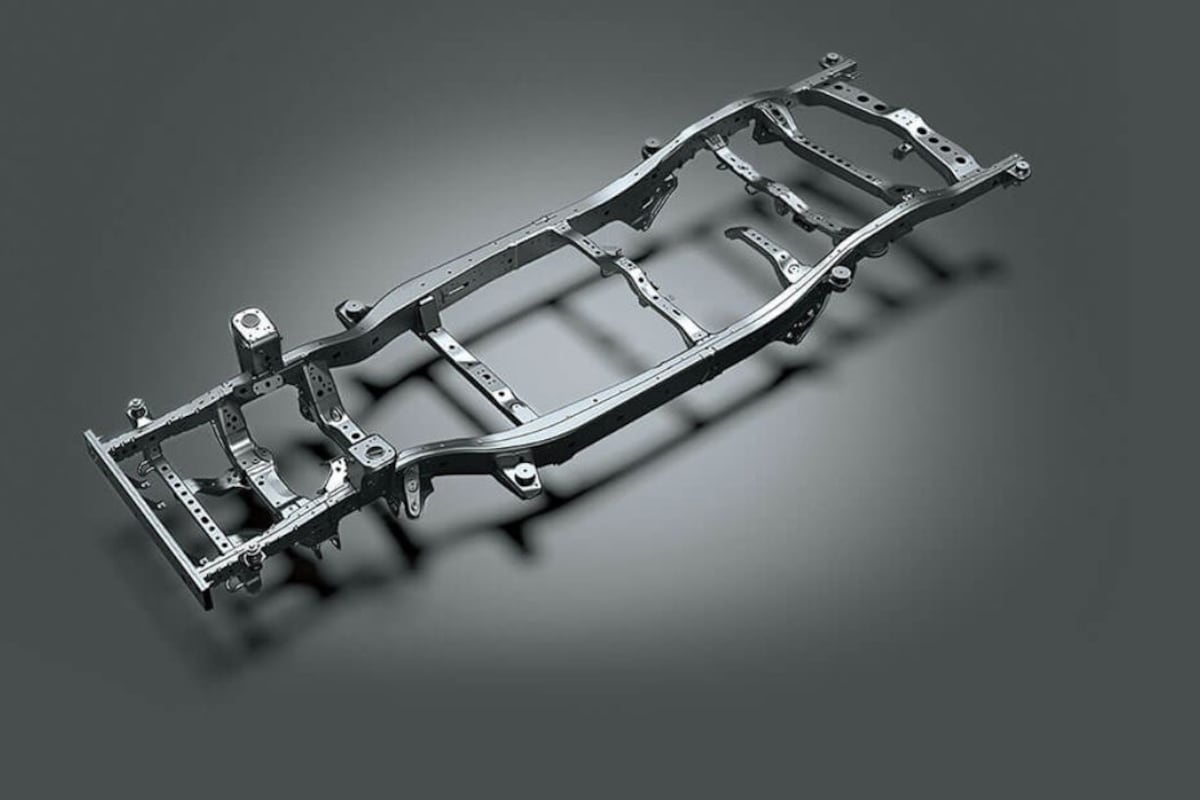
Ladder-Frame Chassis
While the Indian market is moving heavily towards monocoque SUVs, the Fortuner's ladder-frame architecture is what gives it its legendary robustness and load-bearing ability. Whether it's rough highways, long-distance touring, or off-road trails, this chassis continues to offer unmatched strength.
Dashboard-Mounted Cupholders Near AC Vents
A small but iconic Fortuner trait - the AC-cooled cupholders. They're functional, loved by owners, and very "Toyota" in their clever practicality. These should retain their presence in the next generation as well.
What Toyota Should Not Retain
Dated, Laggy Touchscreen
This has long been one of the Fortuner's weakest points. The infotainment system feels years behind rivals in terms of responsiveness, UI quality, and features. The next-gen model must bring a larger, slicker, and more powerful interface that matches the SUV's premium positioning.
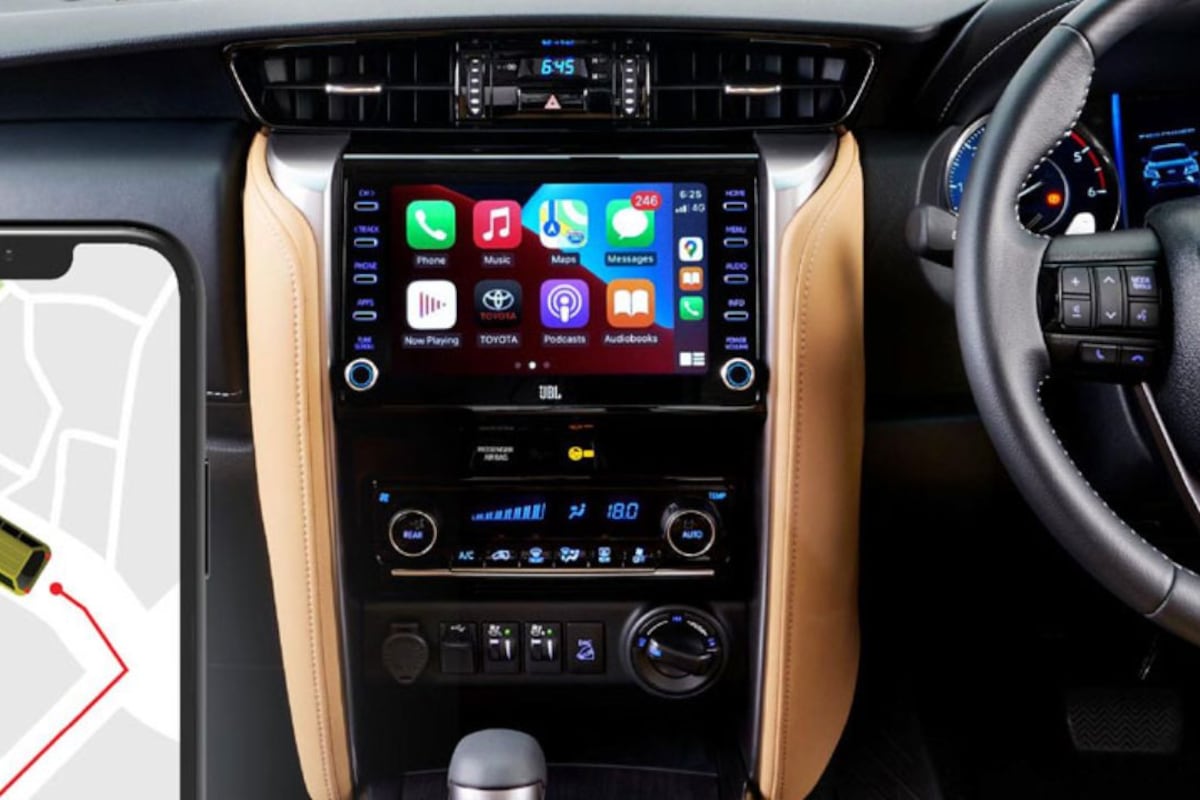
Wired Android Auto & Apple CarPlay
In 2026, there is no justification for omitting wireless smartphone connectivity, especially on a vehicle costing upwards of Rs 40 lakh. Wireless Apple CarPlay and Android Auto are expected, and Toyota needs to make this change immediately.
Absence Of A 360-Degree Camera
Given the Fortuner's sheer size, a 360-degree camera should have been standard years ago. Parking and manoeuvring this SUV in tight spaces is not easy, and modern rivals already offer top-notch camera systems. Toyota must add this feature to match the segment's expectations and improve day-to-day usability.
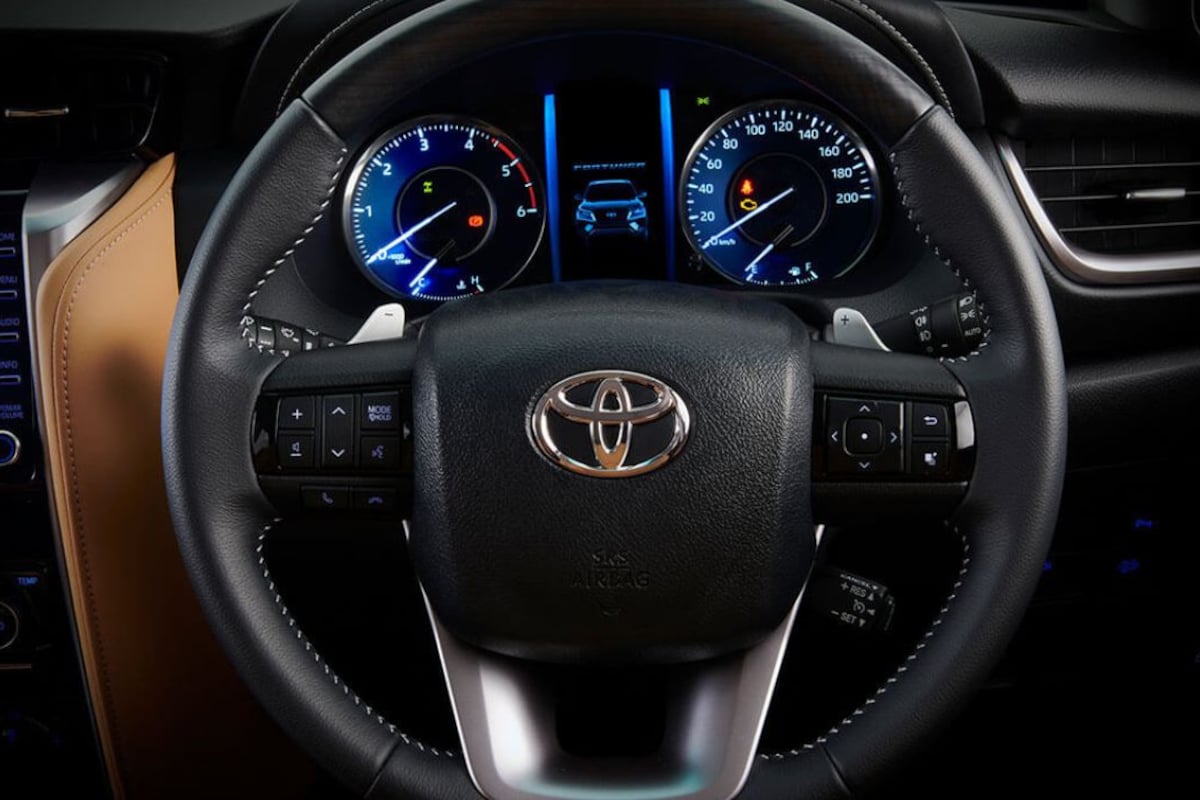
Super-Heavy Steering
Managing the Toyota Fortuner on slow speeds in tight lanes or parking zones is just not easy. The steering feels heavy to the extent, it can make you think twice about making a U-turn. While it feels perfectly-weighed at cruising speeds, Toyota should work on making it light at walking speeds.
Track Latest News Live on NDTV.com and get news updates from India and around the world
