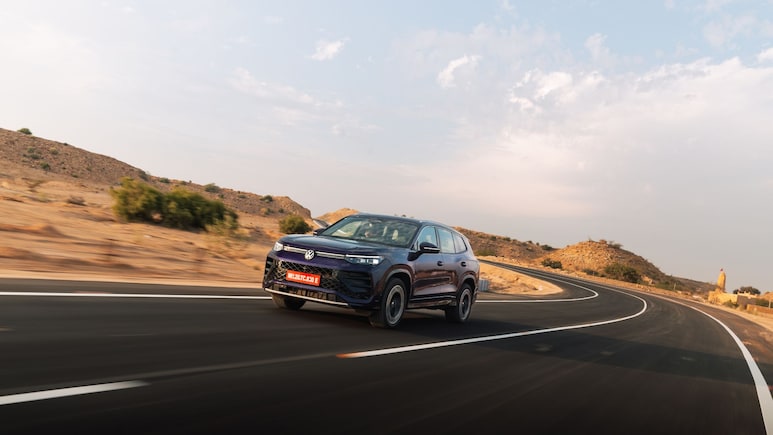
Volkswagen has introduced the Tayron R-Line as its new flagship SUV for the Indian market. It is a full-size, three-row SUV made in India at Volkswagen's Pune plant, using the MQB Evo platform. It is positioned as a premium, road-focused family SUV with advanced technology and a petrol-only powertrain. After driving it across highways and broken roads, here is a clear and detailed review at what the Tayron offers, where it excels, and the practical realities buyers should know.
Engine and Performance
The Tayron R-Line is powered by Volkswagen's 2.0-litre TSI EVO turbo-petrol engine. It produces 204 PS between 4,500 and 6,000 rpm, along with 320 Nm of torque available from as low as 1,500 rpm. This power is sent to all four wheels through a 7-speed DSG automatic gearbox and Volkswagen's 4MOTION all-wheel drive system.
Also Read: 2026 Tata Punch Facelift Review: Meeting Market Demands With Aspirations
This drivetrain is the core strength of the Tayron. The throttle response is predictable, and the mid-range torque makes overtakes easy and stress-free. The DSG gearbox is quick and smooth, especially during cruising speeds where the engine stays in its torque band without much effort.
Even though it isn't a loud or sporty engine, it delivers power in a very controlled and refined way. It is not trying to be dramatic; it simply does its job with precision. For long highway drives, this powertrain feels well-balanced and dependable.
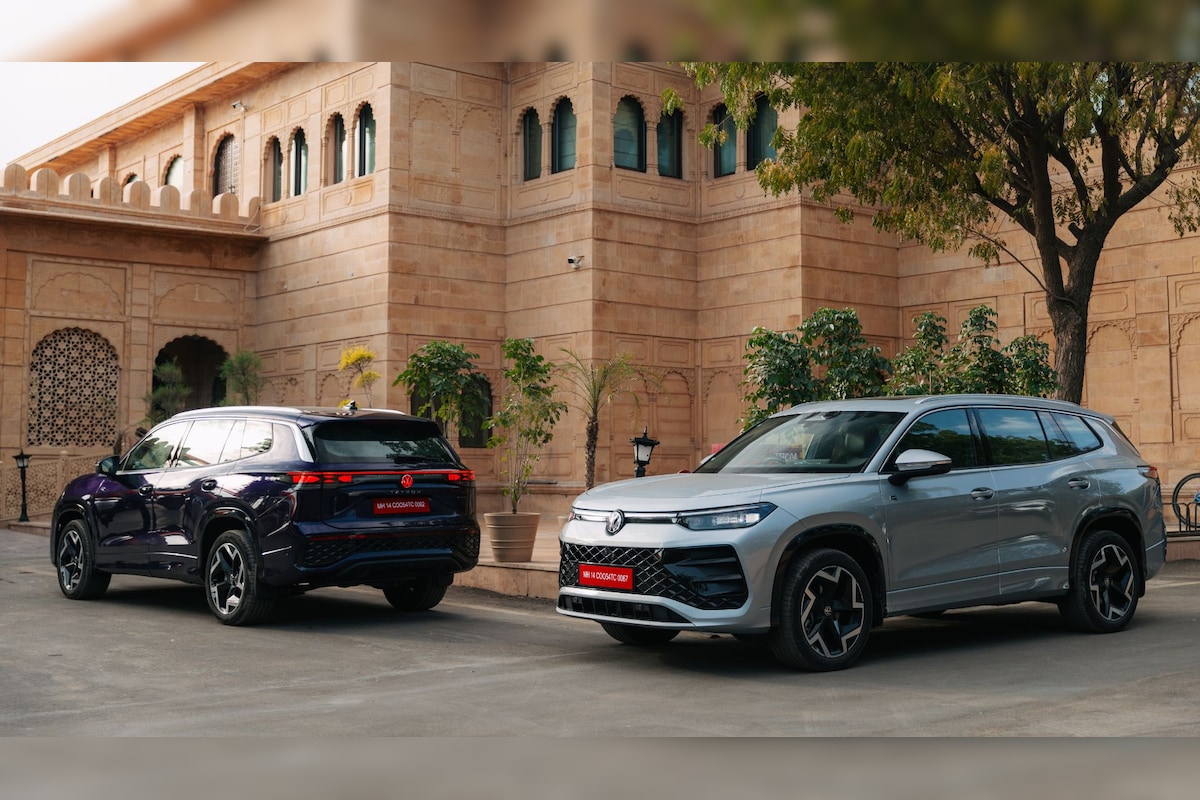
Volkswagen Tayron R-Line
Driving Dynamics and Ride Quality
The Tayron's dynamic ability is where it stands out sharply from most SUVs in this segment. For a large three-row SUV, it feels surprisingly planted. Even at high speeds, the Tayron maintains a stable and controlled stance. Long undulating stretches do not unsettle the cabin, and vertical movement is minimal.
Body roll is well contained, giving the driver confidence during lane changes or fast corners. The steering is not very talkative, but it is accurate. This accuracy matters during long drives, as it reduces driver fatigue and helps the car track straight even on imperfect roads.
The 4MOTION all-wheel drive system also contributes to this stability. It reacts automatically when it senses loss of grip, sending power where it is needed. On wet roads and loose surfaces, the system gives the driver extra reassurance.
In simple terms, the Tayron drives like a well-engineered road SUV rather than a bulky high-riding vehicle. Many buyers may compare it with the Toyota Fortuner because both are seven-seat SUVs, but the driving experience is completely different. The Fortuner is body-on-frame and more focused on rough use. The Tayron is a monocoque SUV tuned for comfort and road stability. The difference is immediate once you start driving.
Cabin Space and Comfort
The interior of the Tayron is built for long hours on the road. The front seats are Volkswagen's ergoActive Plus seats, offering ventilation and an eight-program massage function. These features are not just for show. On long drives, they reduce fatigue and improve comfort.
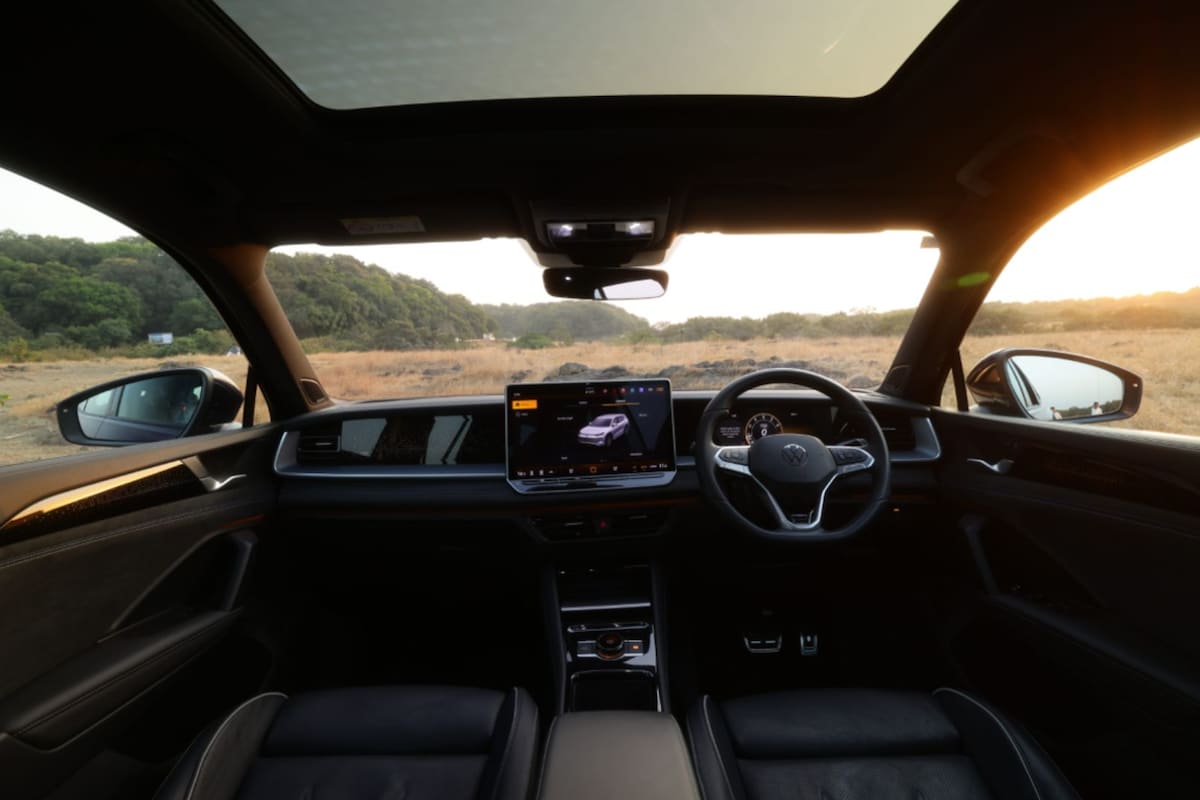
The second row has good legroom and shoulder space. The third row is usable for adults over shorter distances, making it practical for family outings. It is not as large as the Toyota Fortuner, and Volkswagen isn't pretending it is. Instead, the space is managed for families who need flexibility more than towering dimensions.
Cabin insulation is solid. Road noise and wind noise are kept out, even at higher speeds. With the seats folded, the Tayron offers up to 1,905 litres of luggage capacity, which is useful for airport runs and road trips.
Technology and Safety
The Tayron is one of Volkswagen's most tech-loaded models in India. It includes Level 2 ADAS with adaptive cruise control, lane assist, and park assist plus. On highways, adaptive cruise maintains distance smoothly and reacts predictably.
One of the standout features is the augmented-reality head-up display. It projects navigation and speed information into the driver's line of sight, reducing the need to check the instrument cluster.
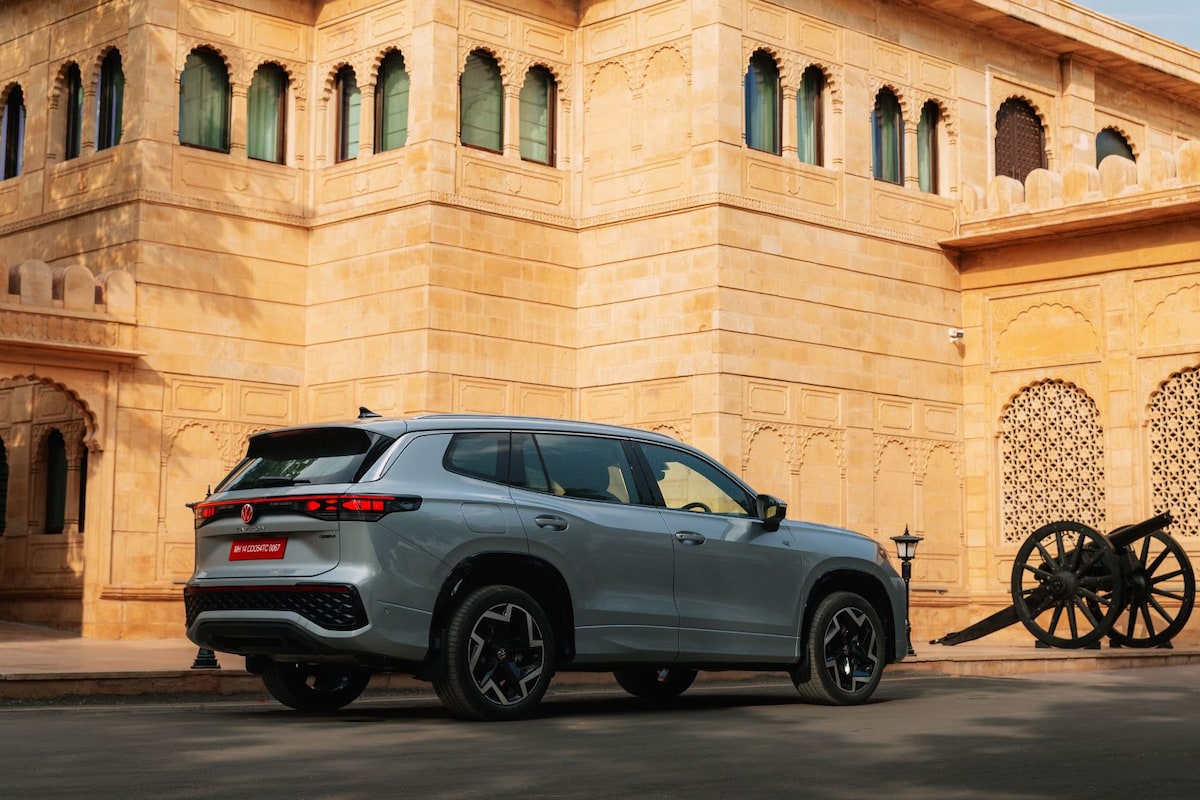
Other key features include:
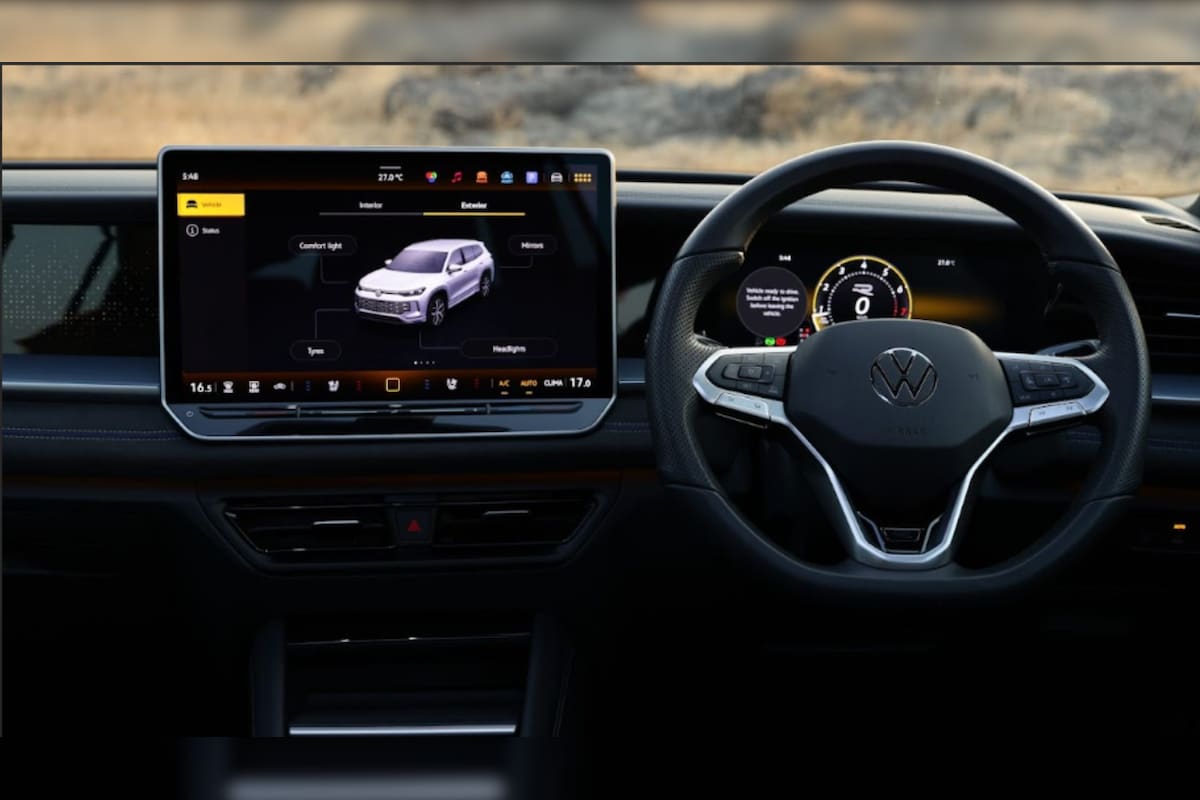
- 15-inch touchscreen
- Digital instrument cluster
- 360-degree camera
- Harman Kardon 11-speaker system (700W)
- Nine airbags including a central airbag
- Three-zone climate control
- Wireless Apple CarPlay and Android Auto
This level of technology sets it apart from older ladder-frame SUVs like the Fortuner, which feels dated in comparison. Buyers who value modern features will notice the difference immediately.
Where It Could Have Been Better
No SUV is perfect, and the Tayron has a few practical limitations buyers should keep in mind.
First, Volkswagen offers only a petrol engine. Some buyers may look for diesel or hybrid options, but those are not available yet.
Second, most basic controls are integrated into the touchscreen. This includes climate settings and several day-to-day functions. While the screen is large and responsive, physical buttons would have made these tasks easier while driving.
Third, the suspension prioritises stability. On rougher, sharper potholes, the cabin can feel the impact more than expected. It is comfortable overall, but not the plushest in the segment.
Lastly, Volkswagen has not yet announced the price. Since it is manufactured in India at the Pune plant, we expect a price range between Rs 37 lakh and Rs 43 lakh ex-showroom. This price will be important because the Indian customer base is evolving. Many buyers are shifting towards value-driven decisions rather than only looking for the lowest price.
At the same time, people still appreciate a good deal, and Volkswagen will need to balance perception and pricing carefully if it wants strong sales.
Who Should Consider the Tayron
The Tayron R-Line is aimed at buyers who value premium engineering and technology rather than size alone. It suits:
- Families who do frequent long-distance highway travel
- Buyers upgrading from mid-size SUVs looking for more comfort and safety
- Those who want a refined petrol drivetrain
- People who prefer road-focused handling instead of heavy off-road ability
- Customers who appreciate German build quality and tech-loaded cabins
It is not an alternative to off-road-focused or bulky SUV like the Fortuner. Instead, it appeals to a more sophisticated urban and highway-oriented audience that wants stability, comfort, ADAS safety, and a premium driving experience.
Conclusion
The Volkswagen Tayron R-Line enters India as a strong, road-focused three-row SUV with a refined petrol engine, excellent high-speed stability, modern technology, and practical comfort. While the lack of physical controls and the absence of diesel or hybrid options may make some buyers think twice, its strengths in driving dynamics, engineering, and safety set it apart in a crowded segment.
For buyers who appreciate premium mobility over market fluff, the Tayron will make immediate sense.
Track Latest News Live on NDTV.com and get news updates from India and around the world
