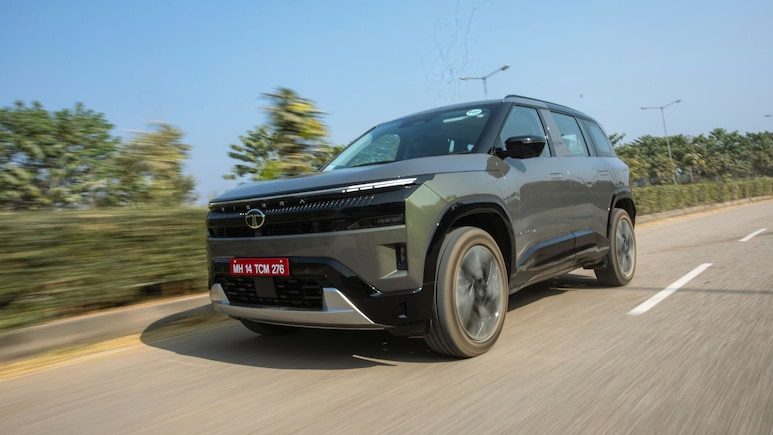
Tata Motors has confirmed a price increase for its internal combustion engine (ICE) passenger vehicles, effective April 1, 2026. The adjustment, averaging 0.5 per cent across variants, targets models like the Sierra, Harrier, Nexon, and others in the lineup. Electric vehicles (EVs) remain untouched by this revision, preserving their current pricing amid favourable market conditions.
Company officials attribute the hike to steadily climbing input costs, including raw materials and logistics expenses that have pressured margins over recent months. While exact variant-level details are pending, the average rise aims to offset these pressures without alienating buyers. Popular SUVs such as the Sierra and Harrier, both key volume drivers, fall squarely in the affected category. The Sierra, fresh off a five-star Bharat NCAP safety rating for adult occupant protection, continues to draw attention despite the impending cost adjustment.
Also Read: Tata Harrier EV QWD Gets New Fearless+ Trim, Priced at Rs 26.49 Lakh
This move aligns with industry trends, as luxury brands like Mercedes-Benz and Audi have similarly signalled increases from the same date. Tata's commercial vehicle division faces a steeper adjustment of up to 1.5 per cent, reflecting broader supply chain strains. On the passenger side, the decision spares EVs, signalling confidence in the segment's growth trajectory. Recent additions like the Punch EV bolster Tata's electric offerings, which benefit from government incentives and rising demand for sustainable mobility.
Also Read: Hari Singh, The Rally Legend Who Conquered India's Tarmacs, Missing In Speedboat Crash
Buyers eyeing ICE models may want to act before April 1, especially for high-demand variants of the Harrier or Sierra, where even a 0.5 per cent bump could add thousands to the ex-showroom tag.
Increasing commodity prices, especially for steel and aluminium, which are crucial to vehicle production, together with elevated logistics and component expenses, have continuously strained margins throughout the Indian automotive sector. Supply chain interruptions and currency volatility have introduced additional challenges to cost control for manufacturers dependent on both local suppliers and imported components.
Track Latest News Live on NDTV.com and get news updates from India and around the world
