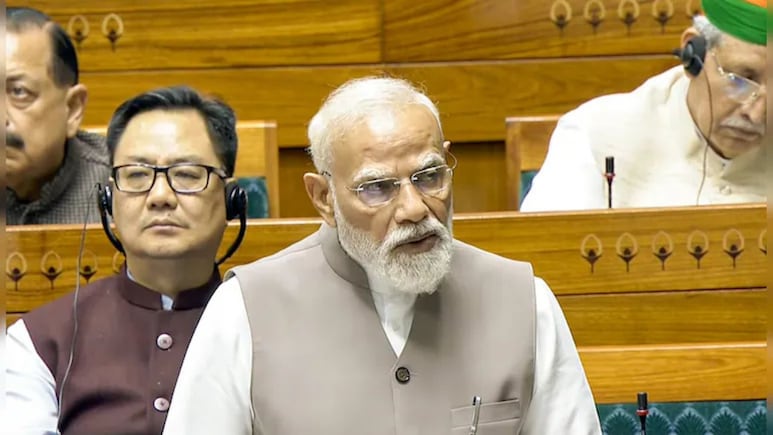
Escalating geopolitical tensions in West Asia, coupled with ongoing volatility in global oil markets, have once again pushed energy security into the spotlight. Recent remarks by Prime Minister Narendra Modi, where he referred to the COVID-19 period, have sparked widespread online discussions about a possible "lockdown-like" situation.
During his address, the Prime Minister drew comparisons between the ongoing Iran-Israel-US conflict and the pandemic-era crisis, particularly highlighting how global supply chains were disrupted in both situations, albeit for different reasons. He said- "Because of this war, the difficult global situation may continue for a long time. Therefore, we must remain prepared and stay united. We have faced such challenges before as well by staying united during the coronavirus pandemic. We must remain very careful and alert. Some people will try to spread rumours to take advantage of the situation. We must not allow such people to succeed."
At the same time, developments across other nations underline the ripple effects of such crises. Countries like Sri Lanka have enforced mandatory public holidays for schools, universities and non-essential government staff, while Bangladesh has shifted educational institutions online and introduced scheduled power cuts. Similarly, Pakistan and the Philippines have adopted a four-day work week for civil servants, and Vietnam has encouraged remote working for businesses to manage energy demand. Also, Pakistan's government has cabcelled the opening ceremony of PSL, and asked its citizens to restrict their movements due to rising fuel prices.
Also Read: A Covid Reminder In PM Modi's Rundown Of Middle East War Impact On India
While experts maintain that India is not facing a similar lockdown scenario, concerns around supply disruptions and rising fuel costs remain real. In this environment, making the most of every litre of fuel becomes a practical priority for everyday car users. Here are some key driving habits that can help improve fuel efficiency during uncertain times.
Adopt A Smoother Driving Style
One of the simplest yet most effective ways to improve fuel efficiency is by changing how you drive. Aggressive inputs such as sudden acceleration, frequent braking, and erratic lane changes force the engine to consume more fuel than required. Instead, a smoother approach-gradual acceleration, anticipating traffic movement, and maintaining momentum-helps the engine operate more efficiently. Over time, this not only improves mileage but also reduces wear and tear on the vehicle.
Maintain Consistent Speeds
Constant fluctuations in speed can significantly impact fuel consumption. Every time you accelerate, the engine requires more fuel to build momentum. On relatively open roads or highways, maintaining a steady speed helps optimise fuel usage. Even in city conditions, trying to avoid unnecessary speed variations by reading traffic patterns ahead can make a noticeable difference in overall efficiency.
Limit Idling And Unnecessary Engine Use
Idling may seem harmless, but it contributes to steady fuel wastage, especially in urban traffic conditions. Leaving the engine running while waiting at long signals, outside shops, or in parking areas burns fuel without delivering any mileage. Turning off the engine during extended stops is a simple habit that can lead to measurable fuel savings over time, particularly for daily commuters.
Keep Your Vehicle Properly Maintained
A well-maintained car naturally performs more efficiently. Factors like incorrect tyre pressure, clogged air filters, or degraded engine oil can reduce mileage significantly. Under-inflated tyres, for instance, increase rolling resistance, forcing the engine to work harder. Regular servicing, timely oil changes, and ensuring all components are in optimal condition can help maintain fuel efficiency and improve overall driving performance.
Reduce Excess Weight And Plan Drives Smartly
Carrying unnecessary load in the vehicle adds strain on the engine and increases fuel consumption. Items left in the boot over time, unused accessories, or roof-mounted carriers can all affect efficiency. Additionally, planning your trips better-combining multiple errands into one journey and avoiding peak traffic hours-can reduce time spent in congestion, further improving mileage.
While global events may influence fuel availability and pricing, individual driving habits still play a crucial role in determining real-world efficiency. By making conscious changes behind the wheel and maintaining your vehicle properly, you can significantly improve mileage and reduce fuel expenses, even in uncertain times.
Track Latest News Live on NDTV.com and get news updates from India and around the world
