India and the European Union (EU) have successfully culminated decades of talks for an ambitious free trade agreement (FTA). The landmark deal is expected to significantly impact trade between the two sides by providing regulatory certainty amid an increasingly volatile international trade environment. Furthermore, it opens routes for the expansion of two-way trade and deeper economic integration among the involved parties.
India-EU FTA: History
Referred to as "the mother of all deals," negotiations for this trade agreement began in 2007, but were put on hold in 2013 over disagreements on tariffs, market access, and regulatory standards. Negotiations began again in 2022, making it one of the longest trade discussions for India. The agreement consists of 24 chapters, which address trade in goods, services, and investments. Additionally, it includes parallel negotiations focused on investment protection and geographical indications.
Also Read: 2026 Renault Duster Vs Sierra, Creta, Seltos, Victoris: Specs And Features Compared
When will the India-EU FTA be signed?
Addressing the trade agreement, Commerce Secretary Rajesh Agrawal said that the efforts focusing on completing the formalities for the FTA are underway. The agreement is expected to be formally signed later this year and will likely come into force early next year. Implementing the agreement in India will require approval from the Union Cabinet, while the pact will also need to be ratified by the European Parliament, a process that may take some time.
Also Read: 2026 Renault Duster Unveiled In India: Check Specs, Features, Pre-Booking And More
Impact On Auto Industry
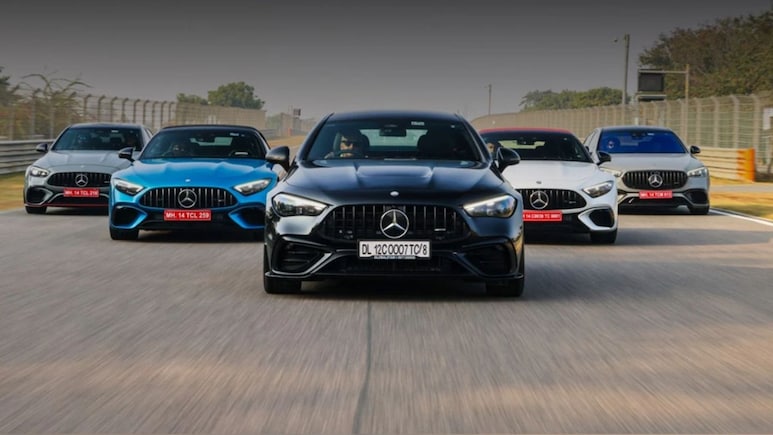
Under the deal, tariffs on EU-made cars could fall to around 40 per cent, potentially opening the door for manufacturers like Volkswagen, BMW, Mercedes-Benz, Audi, Porsche, Maserati, Skoda, and Volvo to expand in India's fast-growing car market. For New Delhi, the challenge has been balancing liberalisation with protecting domestic champions such as Tata Motors and Mahindra, as well as Japanese market leader Suzuki.
The reductions in import duties will take effect immediately for ICE-powered cars, but not for electric vehicles (EVs). The tariff rates on imported European EVs will remain unchanged for the first five years after the free trade agreement (FTA) is finalized and ratified. Reduced import duties for EVs will only be implemented after that period.
Impact On Car Prices
India is the world's third-largest car market, following the United States and China. Currently, the country imposes import duties on fully built vehicles ranging from 70 to 110 percent, which are among the highest in the world. Reducing these tariffs will lead to lower prices for models from manufacturers in the region. This change is likely to increase competition for local manufacturers who have been protected by these tariffs.
Track Latest News Live on NDTV.com and get news updates from India and around the world
