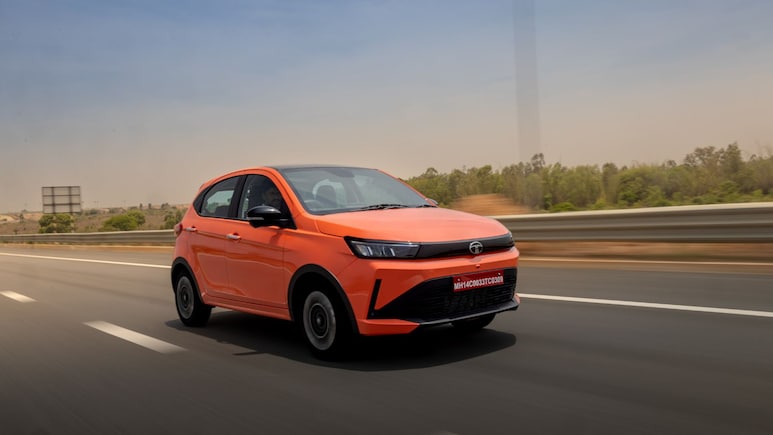
Can a hatchback that has been around for nearly a decade still feel fresh? That's the question Tata Motors is trying to answer with the updated 2026 Tiago.
The formula hasn't changed dramatically. It remains a compact hatchback aimed at buyers looking for practicality, safety and value. What Tata has done, however, is give the Tiago a comprehensive refresh. The styling has been reworked, the cabin has undergone a major transformation and the equipment list is longer than ever before. Safety, too, remains a key focus.
I spent time driving both the petrol and CNG versions on a mix of city roads and highways, and while the Tiago isn't trying to reinvent itself, it does feel like a more complete product than before.
Also Read: 2026 Honda City Review: The Sedan That Refuses To Fade Away
Design and Features
The biggest talking point is undoubtedly the design.
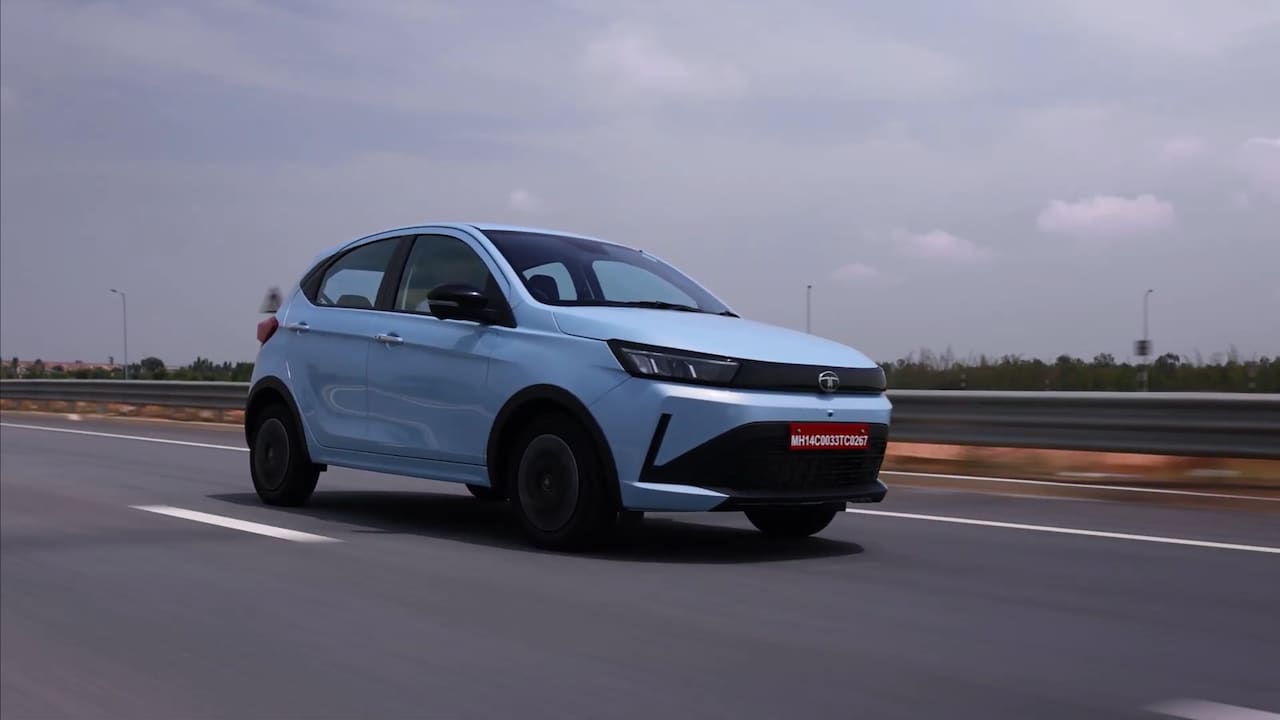
At first glance, the Tiago looks noticeably sharper than the outgoing model. The front end has a cleaner and more modern appearance thanks to redesigned LED headlamps, integrated daytime running lamps and a new grille treatment. It isn't a dramatic departure from the previous car, but it does enough to make the hatchback look newer and more contemporary.
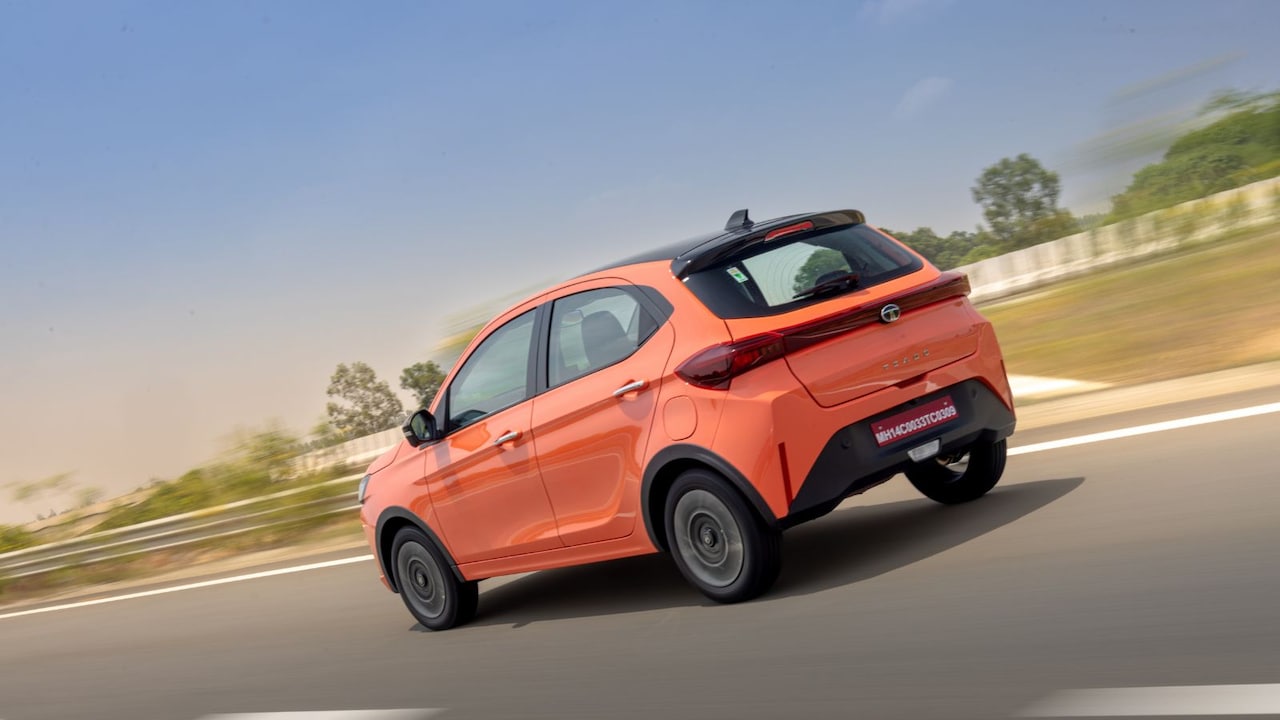
The rear has received equal attention. Tata has added what appears to be a connected tail-lamp setup, a styling trend that has become increasingly popular across segments. The visual effect works well, although the centre section doesn't actually illuminate. It looks like a connected light bar, but technically it isn't one. Some buyers may not care, but it's one of those details you notice once and can't really ignore afterwards.
The side profile remains largely familiar, though new alloy wheel designs, fresh colour choices and a dual-tone roof on higher variants add a bit more character.
While the exterior changes are welcome, it's the cabin that feels completely transformed.
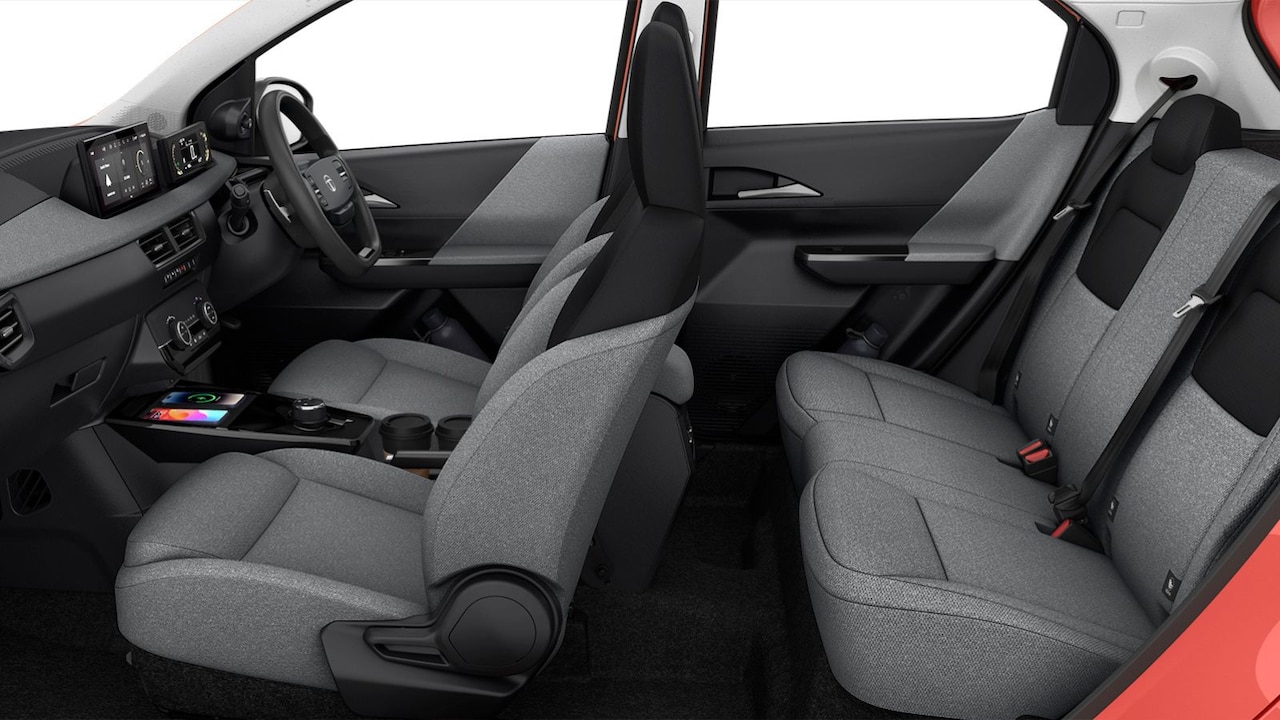
The dashboard is entirely new and gives the interior a much fresher atmosphere. The layered design looks modern, and the 10.25-inch touchscreen immediately grabs attention. Features such as wireless Android Auto, wireless Apple CarPlay, wireless charging, automatic climate control, rear AC vents and connected car technology help the Tiago feel better equipped than before.
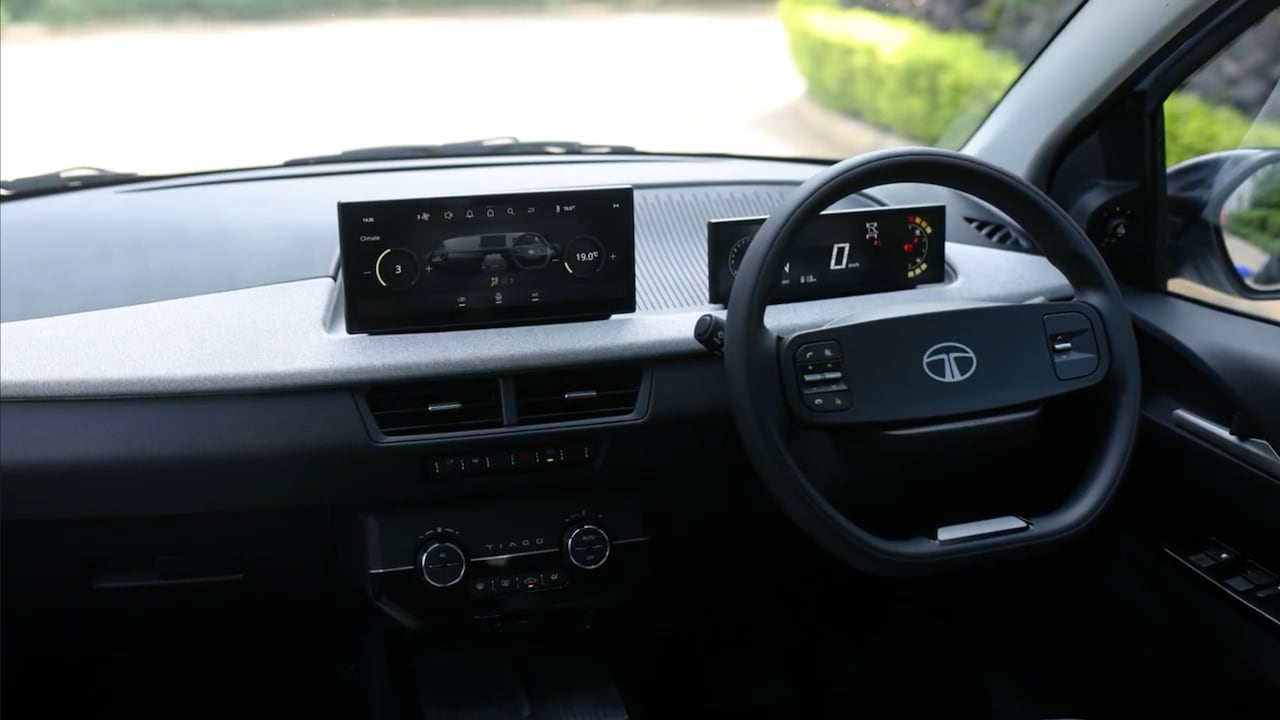
The new digital instrument cluster also adds to the sense of modernity. However, during our drive, I noticed that visibility suffers when sunlight falls directly on the display. Under harsh sunlight, some information requires a second glance, which isn't ideal.
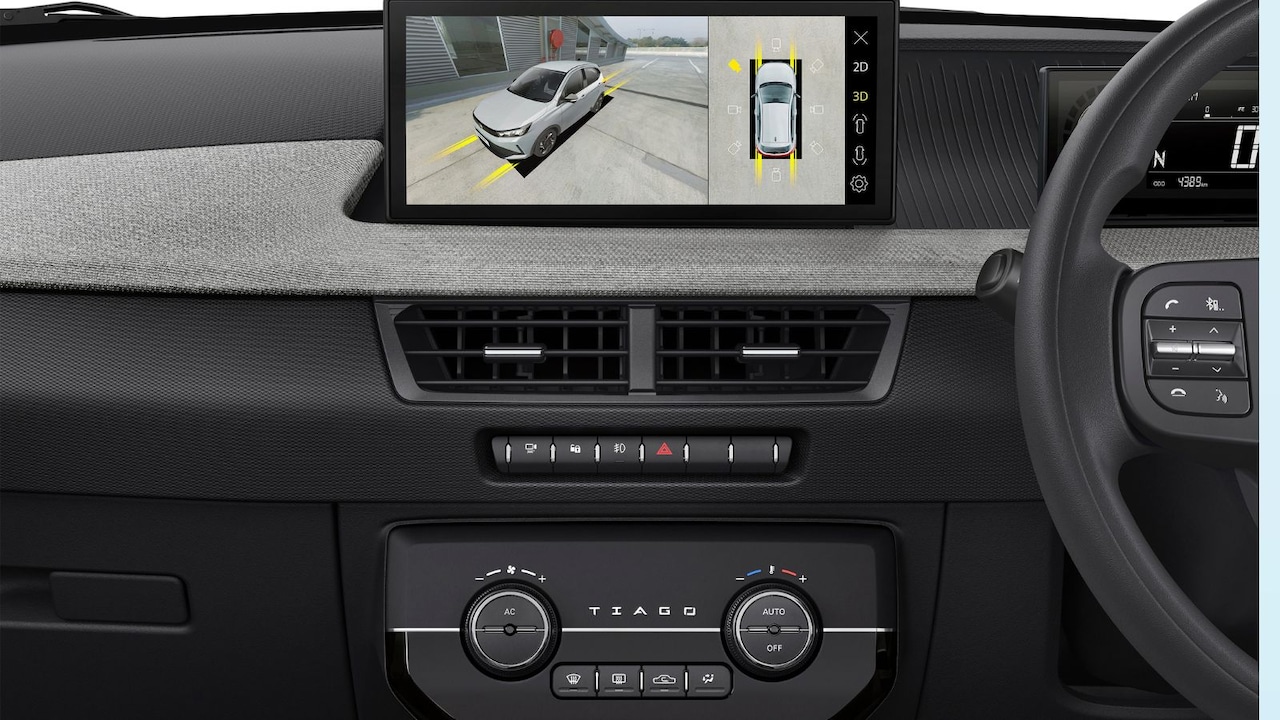
There are also a few areas where the quality could have been better. Some panel gaps appeared inconsistent, and a few trim pieces didn't feel as tightly assembled as the rest of the cabin. None of this feels alarming, but they are details that stand out because the rest of the interior has taken such a big step forward.
Safety continues to be one of the Tiago's strongest cards. Six airbags are now standard across the range, and buyers also get ESP, traction control, hill-hold assist and ISOFIX child-seat mounts.
The CNG variant comes with a few compromises on the equipment front. The petrol line-up goes all the way up to the Creative+ trim, while the CNG version tops out at the Creative variant. That means features such as the dual-tone roof, iRA connected car technology and the rear Type-C charging port are exclusive to the higher petrol trim.
Performance and Driving Experience
Mechanically, things remain familiar.
Power comes from the same 1.2-litre naturally aspirated three-cylinder petrol engine. In petrol form, it produces 86 PS, while the CNG version develops 75.5 PS.
If you've driven a Tiago before, the driving experience won't surprise you. The engine feels perfectly suited to daily commuting and routine city duties. It pulls cleanly enough in traffic and remains comfortable at typical highway cruising speeds.
What hasn't changed much is refinement. Push the engine harder and the three-cylinder character becomes quite evident. There's a noticeable increase in engine noise as revs climb, and enthusiastic drivers will find the motor running out of breath when pushed.
For regular users, though, performance is unlikely to be a concern.
The gearbox remains one of the more pleasant aspects of the package. Shifts feel smooth and predictable, whether you're crawling through traffic or cruising on an open stretch of road.
Also Read: Royal Enfield Bullet 650 Review: Not Just A Motorcycle, It's A Statement
What continues to impress is the way the Tiago rides.
Indian roads can expose weaknesses in a suspension setup very quickly, but the Tiago handles rough surfaces with confidence. Broken patches and potholes are absorbed without drama, and the car never feels unsettled. Even at higher speeds, the suspension manages to maintain a reassuring sense of composure.
The steering is also nicely judged. It isn't particularly sporty, but it feels natural and easy to place, which is exactly what buyers in this segment are likely to appreciate.
Braking performance remains strong as well. The pedal offers good progression, and stopping power feels reassuring in everyday driving situations.
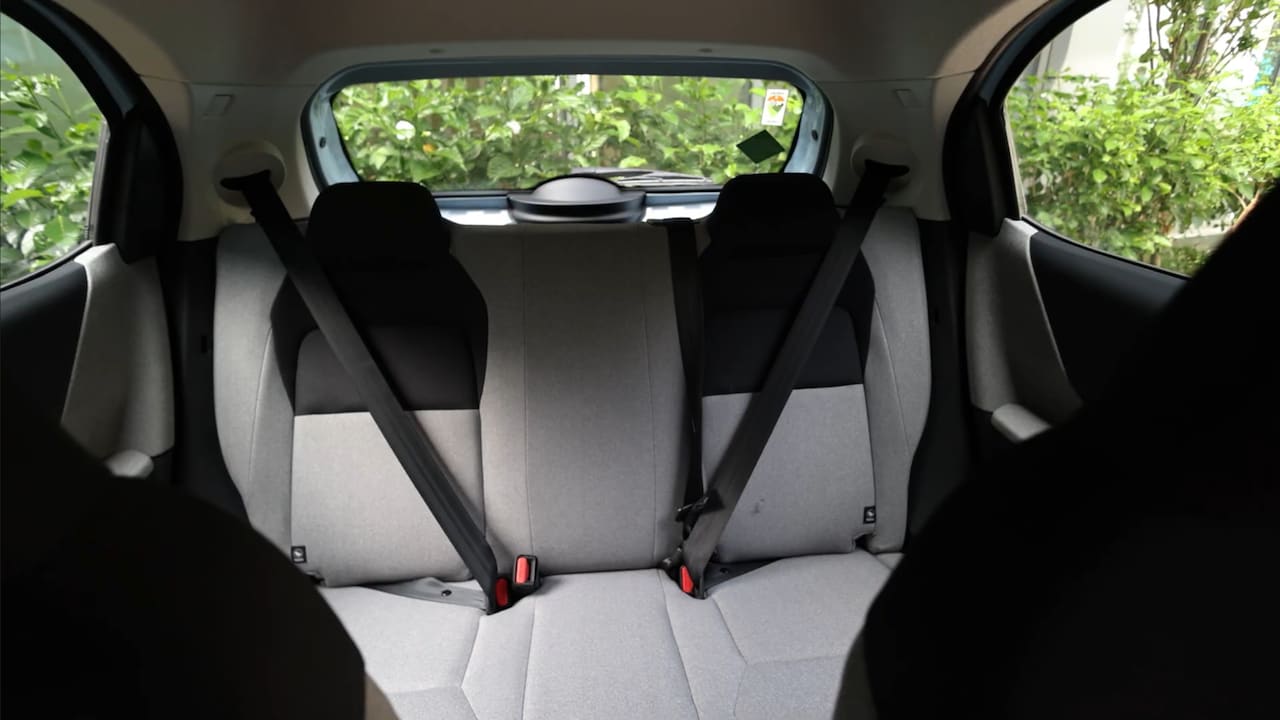
Another pleasant surprise is seat comfort. The front seats provide good support, and the additional under-thigh cushioning becomes particularly noticeable on longer drives.
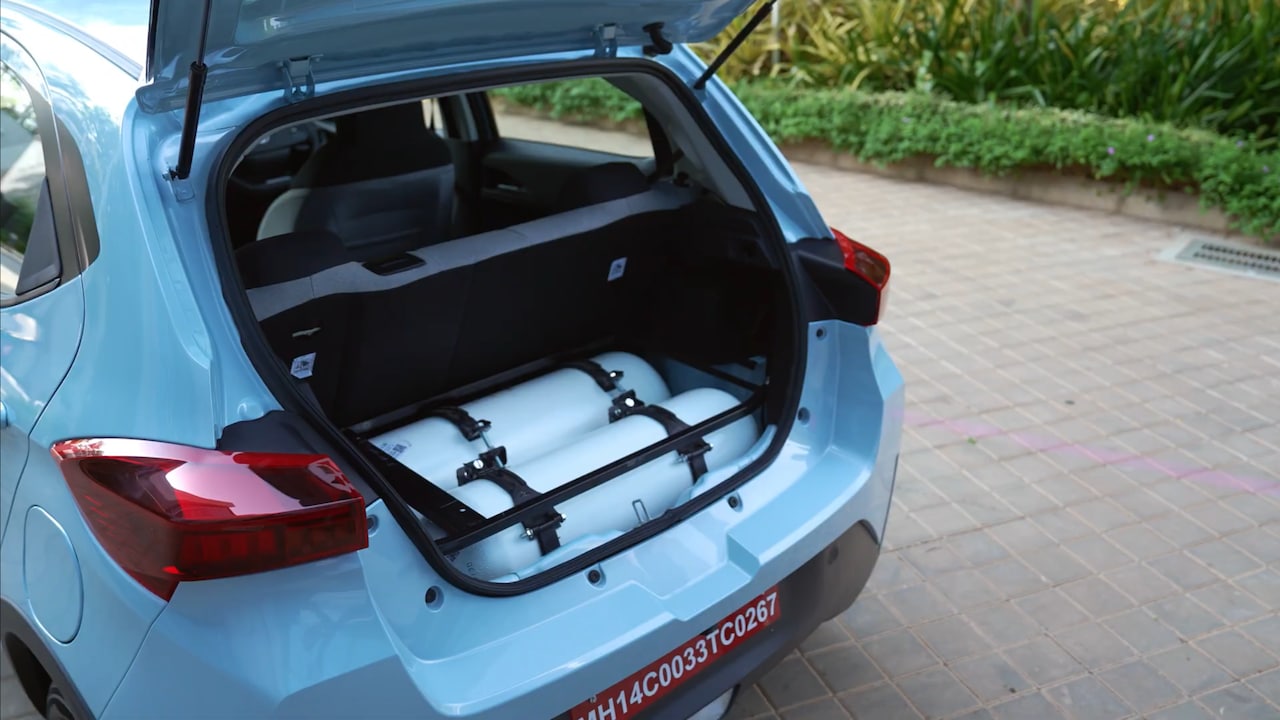
For CNG buyers, Tata's twin-cylinder technology remains a major advantage. Unlike traditional CNG setups that consume most of the luggage area, the twin-cylinder arrangement frees up considerably more usable boot space. Buyers can also opt for an AMT transmission with a paddle shifter for the CNG version, making it a practical option for city users looking to reduce running costs without sacrificing convenience.
Verdict
The updated Tiago isn't a ground-up transformation, nor does it need to be.
Instead, Tata has focused on improving the areas that matter most to everyday buyers. The design looks fresher, the cabin feels far more contemporary, and the feature list has grown substantially. Add to that a strong safety package and the availability of both petrol and CNG powertrains, and the Tiago continues to make a compelling case for itself.
There are still a few rough edges. Fit and finish could be more consistent, the digital instrument cluster isn't the easiest to read in bright sunlight, and the connected tail-lamp treatment feels slightly unfinished.
Tata has retained an aggressive pricing strategy, with the petrol range starting at Rs 4.69 lakh (ex-showroom), while the CNG line-up begins at Rs 5.99 lakh (ex-showroom).
Yet when viewed as a whole, the Tiago feels more polished and better equipped than before. It may not redefine the hatchback segment, but it strengthens its position as a practical, comfortable and safety-focused option for buyers who want more than just basic transportation.
Track Latest News Live on NDTV.com and get news updates from India and around the world
