- Ceasefire depends on enforceable guarantees, Iran's top official Mohammad Hossein Ziyaeenia said
- Iran and US agreed on a conditional two-week ceasefire including reopening Strait of Hormuz
- Ziyaeenia accused West of prioritising economic interests over civilian casualties in the war
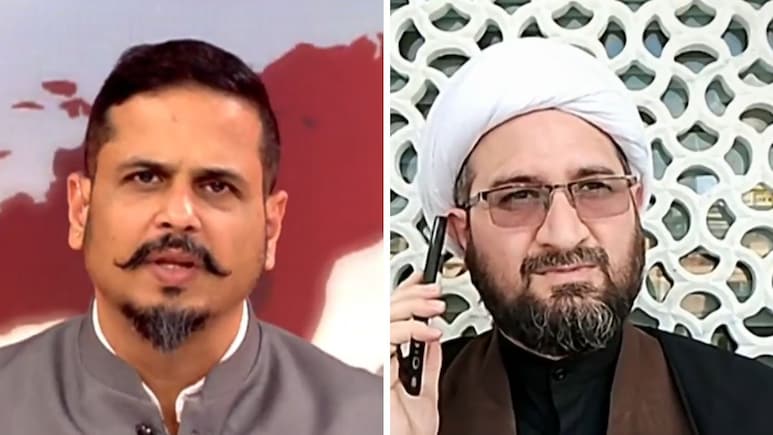
The deputy to the representative of Iran's supreme leader in India, Dr Mohammad Hossein Ziyaeenia, said on Tuesday that the ceasefire following the recent war would depend on enforceable guarantees by international actors, even as he accused Western governments and institutions of prioritising economic interests over civilian deaths.
Speaking to NDTV, Ziyaeenia said Iranian officials had communicated the terms of a proposed ceasefire and that the process had begun after what he described as acceptance by the US of Iran's "power and conditions". He said the next two weeks would be critical.
"There should be some guarantee," Ziyaeenia said. "We trust our officials. They are doing their best."
The US and Iran agreed on a conditional two-week ceasefire that included the opening of the Strait of Hormuz for shipping.
He said Iran enjoys popular support and national resistance, and the Islamic nation has shown unity and resilience during the war started by the US and Israel. According to him, public backing had reinforced Tehran's negotiating position.
"They showed that they do not accept oppression, and they will fight back against oppression," he said.
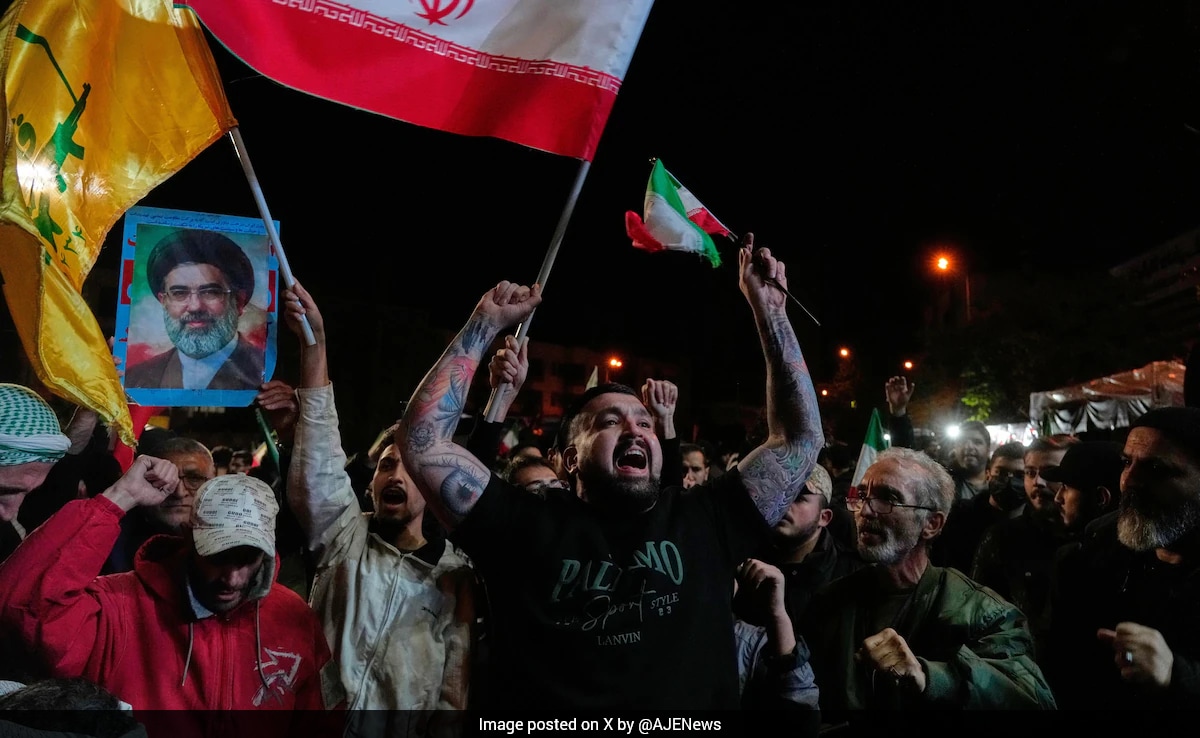
Ziyaeenia recalled remarks attributed to Supreme Leader Ayatollah Ali Khamenei made some 40 days ago that while Iran's enemies may start a war, Iran would determine how it would end.
He said the current Iranian conditions for peace have been made explicit and would stand until they were observed and guaranteed by the UN and other international organisations. "If these conditions are observed and guaranteed, we hope that we will be having a permanent peace in all the region," he added.
Ziyaeenia slammed international criticism particularly on the critical shipping lane Strait of Hormuz. He said he was "surprised" that global concern centred on the strategic waterway rather than civilian casualties.
"The main concern is the Strait of Hormuz, but not the lives of the people that have been killed in these 40 days," he told NDTV.
He cited deaths of children, bombings of schools, universities and hospitals, and described widespread civilian suffering. According to him, more than 400 hospitals had been bombed, and Iranian society was grieving amid continued hostilities.
"Our people's hearts are broken," the Iranian official said.
Ziyaeenia said mourning rituals and burial of senior leaders including Khamenei could not be conducted because of sustained attack, and compared Iran's loss with what he described as international fixation on maritime trade flows.
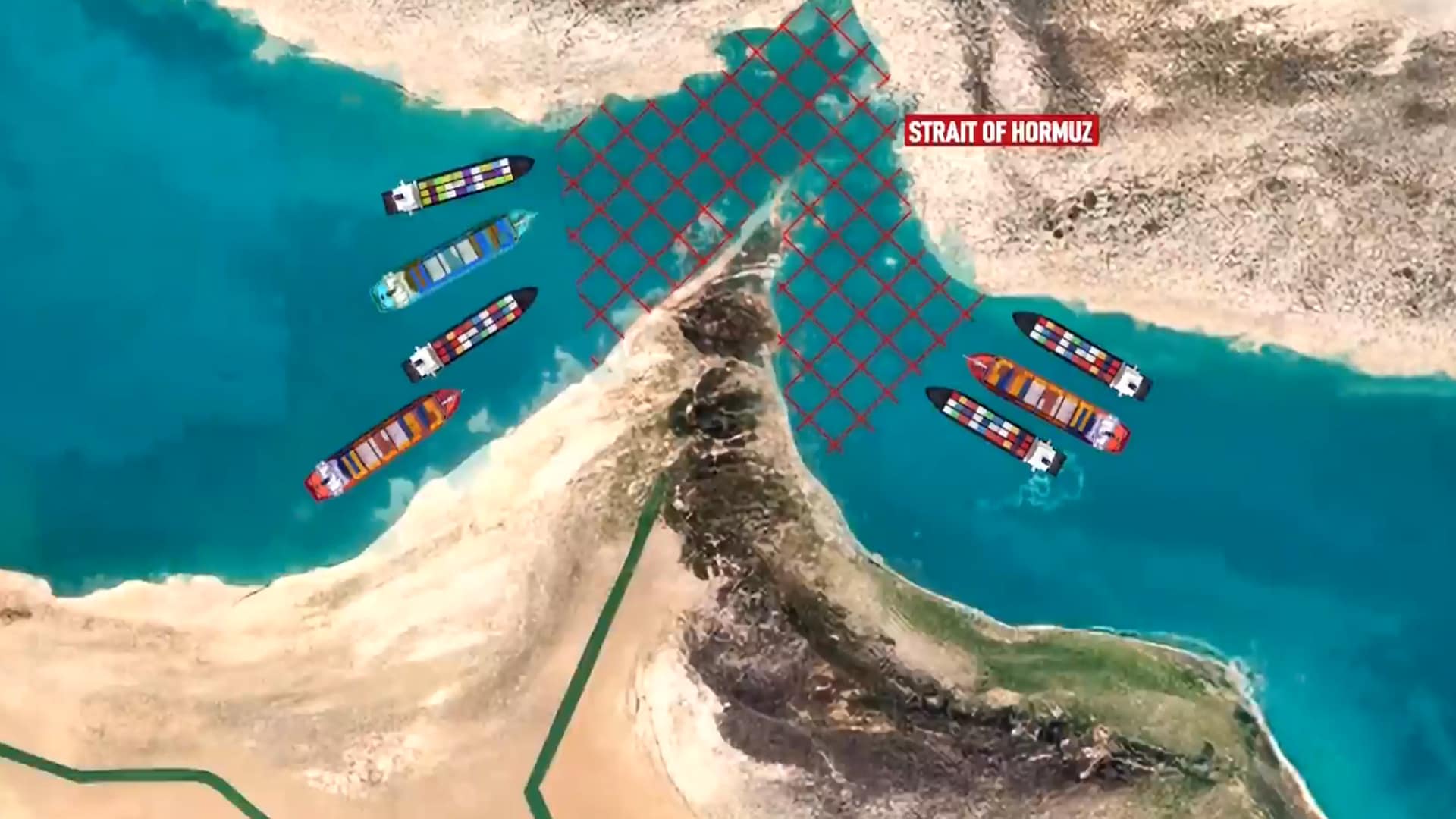
"The Strait of Hormuz is important, but the life of people is much more important," he said.
He raised doubts on the credibility and priorities of international organisations, arguing that their focus on energy security and commerce revealed a disregard for humanitarian cost. "Maybe economics is more important than the loss of people. But it is not like that."
On Iran's nuclear programme, Ziyaeenia reiterated Tehran's long-standing position that it does not seek nuclear weapons, citing a religious ruling attributed to the Supreme Leader declaring such weapons illegitimate under Islam.
"We did not want to go towards the atomic bomb," he said.
He did draw a sharp distinction between weapons and nuclear energy, asserting that Iran's civilian nuclear programme would continue regardless of external pressure. "Peaceful nuclear activities were there, are there, and will be there. No country in the world can dictate to us what to do," Ziyaeenia said.
Earlier today, UN Secretary-General Antonio Guterres welcomed the announcement of the two-week ceasefire by the US and Iran, saying an end to hostilities is urgently needed to protect civilian lives and alleviate human suffering.
Track Latest News Live on NDTV.com and get news updates from India and around the world


