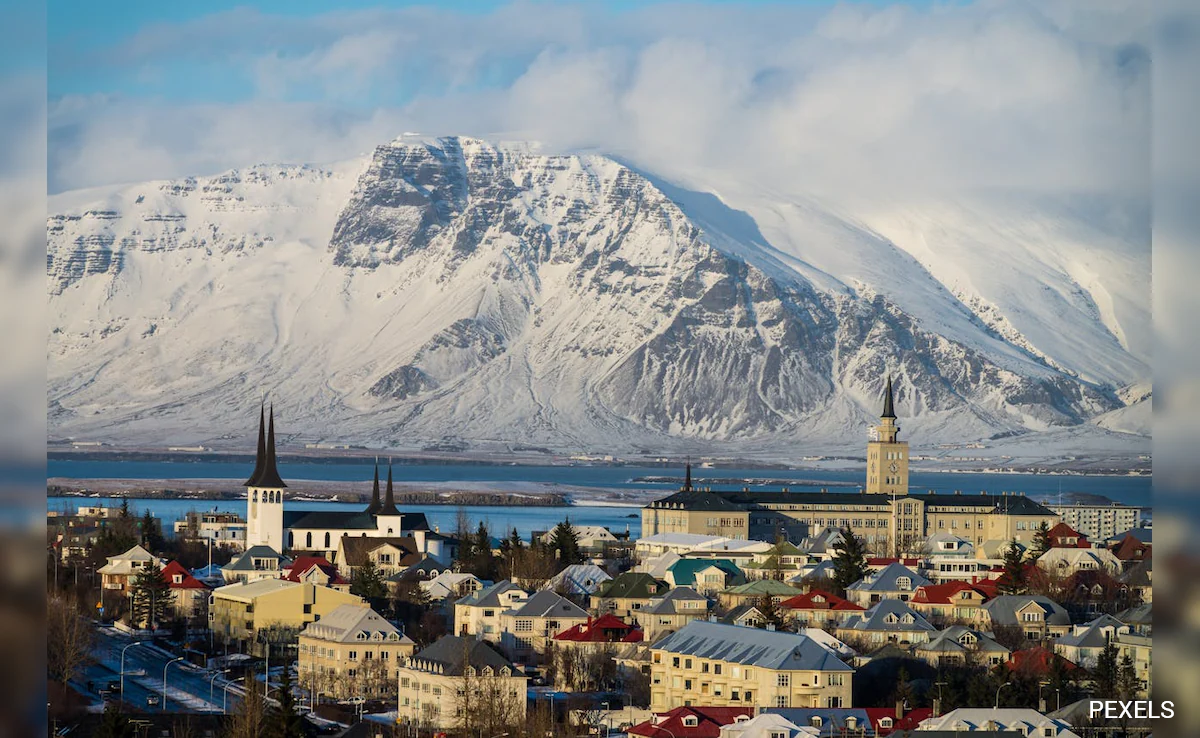
- Mosquitoes have been detected in Iceland, ending its status as Arctic insect-free zone
- Rising Arctic temperatures and longer summers enable mosquitoes to establish in Iceland
- Mosquito presence signals broader changes affecting Arctic arthropods and ecosystem health
As rising global temperatures reshape ecosystems across the planet, scientists are now witnessing a change once thought nearly impossible. Mosquitoes have now reached Iceland, a country that was once considered one of the few places in the Arctic region free from the insects.
While mosquitoes are common across northern regions during summer, Iceland has remained a rare exception for years. That is no longer the case.
For years, scientists thought Iceland's cool maritime climate and frequent freeze-thaw cycles kept mosquitoes from gaining a permanent foothold in the country. But that natural barrier may be breaking down as the Arctic warms rapidly.
Researchers have confirmed mosquitoes were detected just north of Reykjavik, according to Science magazine. The finding officially ends Iceland's status as the only Arctic nation without the biting insects.
What Does It Mean?
The Arctic's temperature is rising almost four times as quickly as the worldwide average. Snowmelt, extended summers, and increased human presence are changing ecosystems that previously served as natural barriers to invasive or migrating species.
The growth of shipping lanes, tourism, military operations and infrastructure development is creating more chances for species to enter environments that were once isolated.
Researchers point out that mosquitoes represent just one element of a far larger issue involving arthropods. The category of animals includes insects, spiders, mites and ticks.
Small and frequently disregarded, arthropods rank among the Arctic's most critical ecological contributors. They handle plant pollination, nutrient recycling, pest control, and act as food sources for birds, fish, and mammals.
Since arthropods respond rapidly to changes in their surroundings, scientists see them as strong indicators of how healthy an ecosystem is.
Researchers caution that there's no unified system across the Arctic to track them, which leaves large gaps in knowledge about how northern ecosystems are transforming.
How Does It Affect The Ecosystem?
The effects are already showing. Arctic shorebirds now face more difficulty because insect hatches are out of sync with when chicks are born. Reindeer and caribou suffer increased attacks from biting insects, forcing them to burn more energy escaping instead of feeding.
Insect outbreaks are damaging tundra vegetation, too. Researchers say the mosquito discovery in Iceland underscores the need for immediate international cooperation and long-term biodiversity monitoring. Indigenous communities, with generations of environmental observations, will likely play a central role in those efforts.
Track Latest News Live on NDTV.com and get news updates from India and around the world


