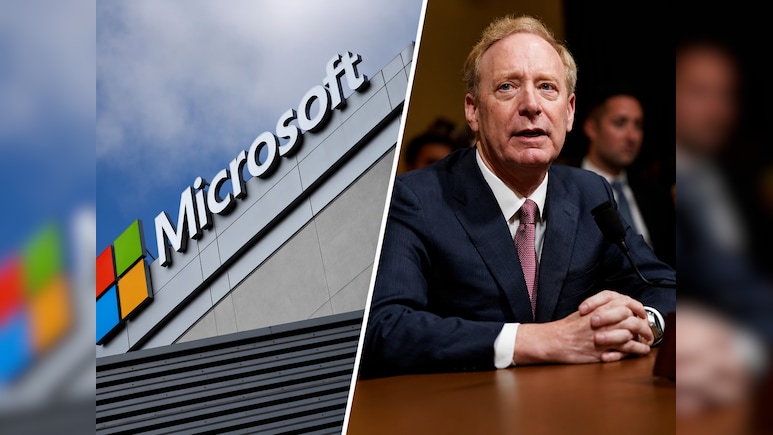
Days after a global outage disrupted Microsoft's Outlook and email services, the company's president has warned that businesses and consumers may face more technology disruptions in the months ahead.
Brad Smith, President and Vice Chair of Microsoft, said the recent wave of outages affecting technology companies, banks and other critical services reflects a broader challenge facing the digital world. According to him, organisations across the globe are rushing to upgrade software, patch security flaws and modernise ageing infrastructure, a process that could itself trigger fresh disruptions.
"I think we have to be prepared, frankly, for the coming months because this isn't the type of thing that just gets done in a couple of weeks," Smith said in an interview with CBS. "The whole information infrastructure of the world is in effect being upgraded right now."
The warning comes less than two weeks after a major outage affected Microsoft 365 services, including Outlook. Smith said that incident was neither a cyberattack nor linked to artificial intelligence. Instead, it resulted from an unexpected interaction between older software changes, a newer update and shifting network traffic patterns.
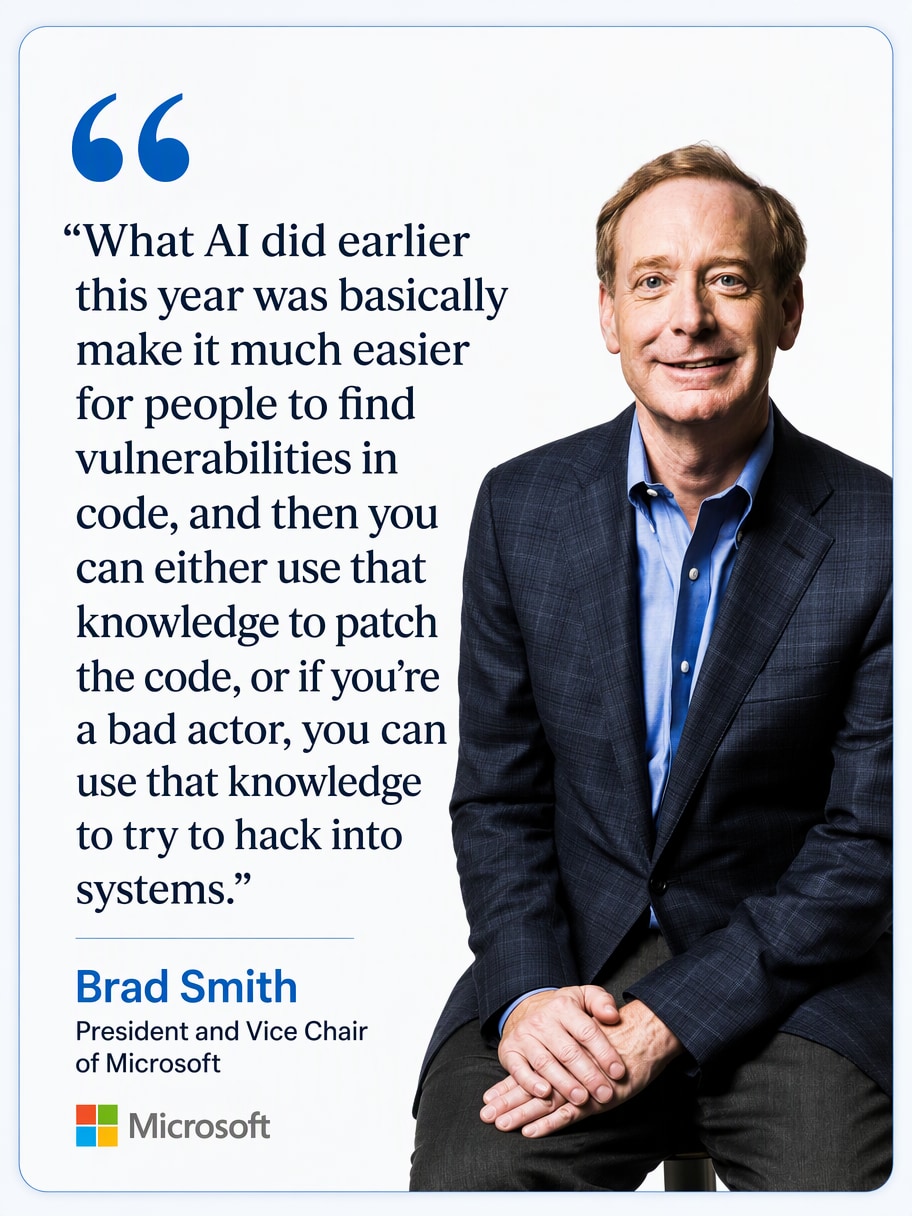
According to Smith, artificial intelligence has made it much easier to identify vulnerabilities in software code. While that helps companies find and fix weaknesses faster, it also puts pressure on IT teams to roll out updates at unprecedented speed before cybercriminals can exploit those flaws.
That race to secure systems can sometimes create new problems. When updates are installed quickly, especially on older infrastructure, companies have less time to thoroughly test how new code will interact with existing systems. The result can be unexpected glitches or service disruptions.
Explaining the risks, Manish Mohta, Managing Director at Learning Spiral, told NDTV that organisations are increasingly operating highly interconnected systems, where a single failure can trigger a chain reaction.
"According to Microsoft's President Brad Smith, new technological glitches can be expected or a combination of various digital upgrades can lead to security breaches and malware attacks on the software. Organisations with cloud resources, payment systems, or interconnected applications are vulnerable when one failure in IT leads to failures of multiple systems working at the same time. A previous infrastructure provides an extra complication to the upgrades and increases the chances of malfunctions in software. All companies must implement barriers for performing security upgrades without catastrophes."
Smith has nevertheless urged users to install security updates whenever they become available, arguing that patched systems remain safer than leaving known vulnerabilities unaddressed. He also called on companies to replace ageing technology and strengthen testing procedures before deploying major updates.
Track Latest News Live on NDTV.com and get news updates from India and around the world


