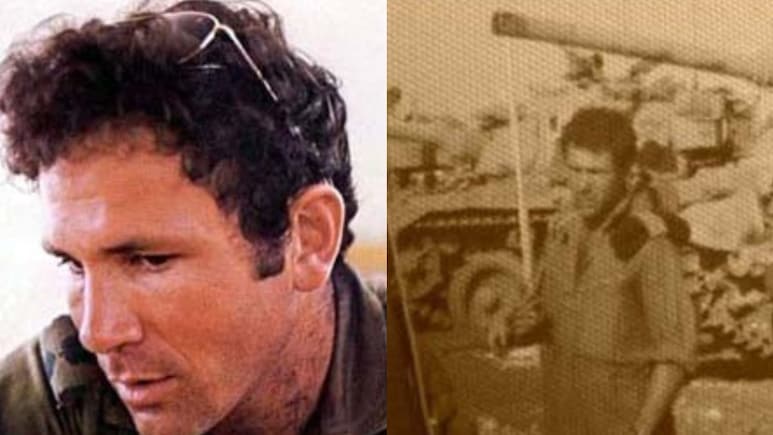
Fifty years after Israel's daring hostage rescue at Uganda's Entebbe Airport, known as Operation Thunderbolt or Operation Entebbe, the mission continues to be regarded as one of the most audacious special operations in military history. Planned over thousands of kilometres away, executed deep inside hostile territory, and completed within minutes, the 1976 raid has become a benchmark for counter-terrorism forces across the world.
In an exclusive interview with NDTV's Senior Executive Editor Aditya Raj Kaul marking the operation's 50th anniversary, Brig. Gen. Joshua Shani, the lead pilot who flew the mission, reflected on the planning, execution and enduring legacy of the operation that reshaped modern hostage-rescue doctrine.
"I can't believe it's been 50 years," Shani said. "People keep reminding me. I still remember it vividly. Every detail remains with me."
The operation was launched after an Air France flight travelling from Tel Aviv to Paris was hijacked by Palestinian and German terrorists and diverted to Entebbe Airport in Uganda, then ruled by Idi Amin. More than 100 Israeli and Jewish hostages were held captive after non-Israeli passengers were released, giving Israel just days to decide whether to negotiate with the hijackers or attempt an unprecedented military rescue.
Shani recalled that even before the Israeli government formally approved a military option, his squadron had quietly begun preparing for the possibility.
"Our C-130 squadron realised that if the government chose not to surrender to the terrorists, then we would be the only unit capable of carrying out such a mission," he said.
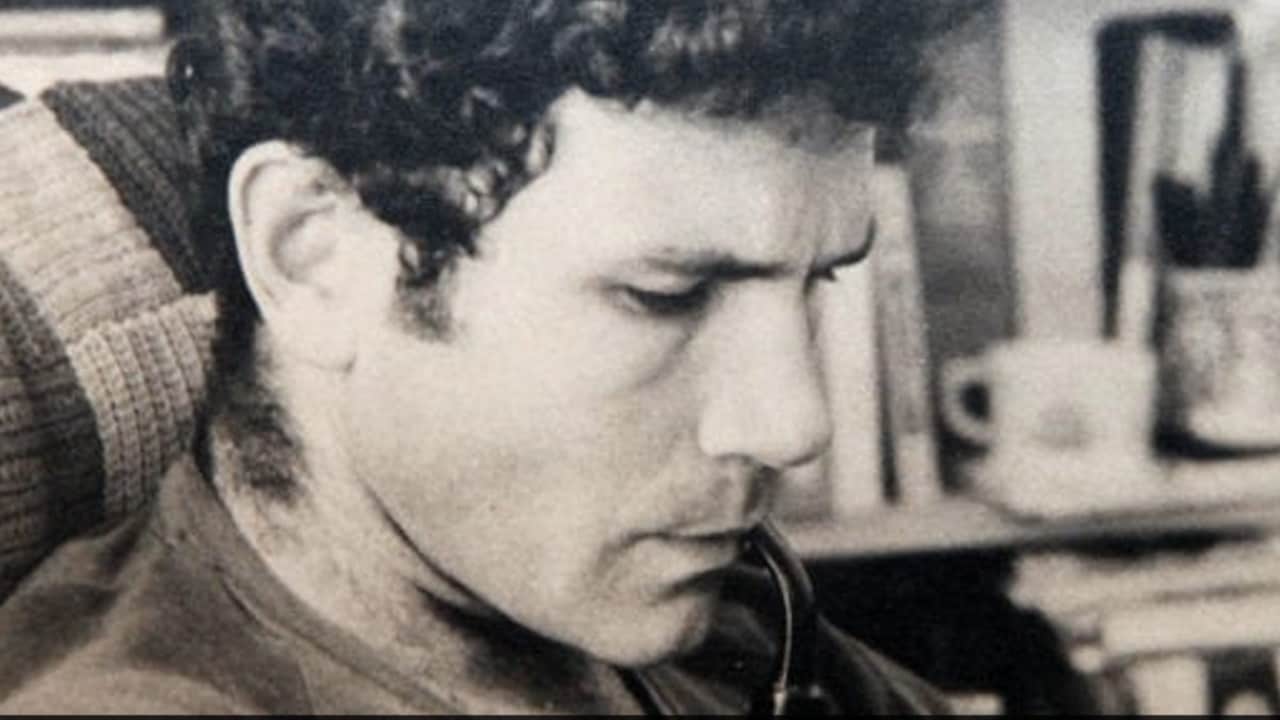
His team began studying the daunting 4,000-kilometre route, fuel requirements, radar coverage, intelligence inputs and every obstacle they could anticipate. The preparations, he said, were initially general in nature, but they enabled the Israeli Air Force to quickly present a credible military option when political leaders sought alternatives to negotiations.
"The Air Force commander asked me what could be done," Shani recalled. "I already had answers. That helped convince the leadership that there was a military option-not only negotiations and surrender to terrorist demands."
Also read: How Netanyahu's Brother Led A Hostage Rescue Mission And Never Returned
The operation involved flying four C-130 Hercules transport aircraft across Africa at extremely low altitude to avoid radar detection before landing unexpectedly at Entebbe Airport under cover of darkness.
Among those aboard was Lt. Col. Yonatan "Yoni" Netanyahu, commander of the elite special forces unit leading the ground assault and elder brother of current Israeli Prime Minister Benjamin Netanyahu.
Shani said he had known Netanyahu before the mission and had interacted with him several times during the planning.
"He was a very brave and determined man," Shani said. "But we each had separate responsibilities. My job was to bring the force safely to the terminal. His job began once they were on the ground."
Netanyahu was the only Israeli commando killed during the rescue, while the operation successfully freed 102 hostages.
One of the defining moments leading to the rescue, Shani said, was the terrorists' decision to separate Jewish and Israeli hostages from the others, a selection process that deeply resonated with Israelis because of the Holocaust.
"It reminded all of us of the selections carried out at Auschwitz," he said. "Now that Israel was a free country, we simply could not accept Germans once again separating Jews from non-Jews."
Ironically, the release of foreign passengers also provided Israel with valuable intelligence.
"Those who were released gave us information we badly needed. We had very few other sources," Shani noted.
Despite the enormous risks involved, Shani said neither he nor his fellow servicemen thought about making history during the mission itself.
"We didn't think about the impact," he said. "We were simply focused on doing the job correctly and bringing everyone home."
Only later did he realise how profoundly the operation resonated around the world.
"The Jewish communities in America, Britain and France were incredibly proud. It changed something for many people," he reflected.
Although Entebbe became his most famous mission, Shani insisted it was not necessarily the most difficult operation of his military career.
"I was involved in many special operations," he said. "This was certainly the most famous, but not necessarily the hardest."
Half a century later, Shani believes the operation's most enduring lesson extends beyond Israel.
"The principle is that you do not give in to terrorists," he said. "You continue fighting. That lesson remains relevant today."
Reflecting on how military technology has evolved since 1976, Shani acknowledged the dramatic advances in navigation, satellites and computing. During Entebbe, his crew often relied on traditional celestial navigation using stars.
"Technology is completely different today," he said. "But the spirit is the same. When you get into the cockpit with the mission to bring the hostages home, you do it-even with low technology."
During the rescue operation, the Israeli forces rescued 102 hostages. All hijackers were killed.
Three hostages, Ugandan soldiers and the commander of the assault force, Netanyahu, were killed during the raid.
Shani also welcomed the growing strategic partnership between India and Israel, particularly in defence and counter-terrorism cooperation.
He observed that while India had once maintained a greater distance from Israel because of its ties with the Arab world, bilateral relations have steadily deepened over the years through technology, defence and security cooperation.
"The relationship between India and Israel is superb," Shani said. "I'm sure we will continue doing many things together."
Five decades after the rescue at Entebbe, Operation Thunderbolt remains more than a remarkable military success. For its lead pilot, it stands as a testament to preparation, determination and the belief that democracies need not surrender to terrorism when lives are at stake.
Track Latest News Live on NDTV.com and get news updates from India and around the world


