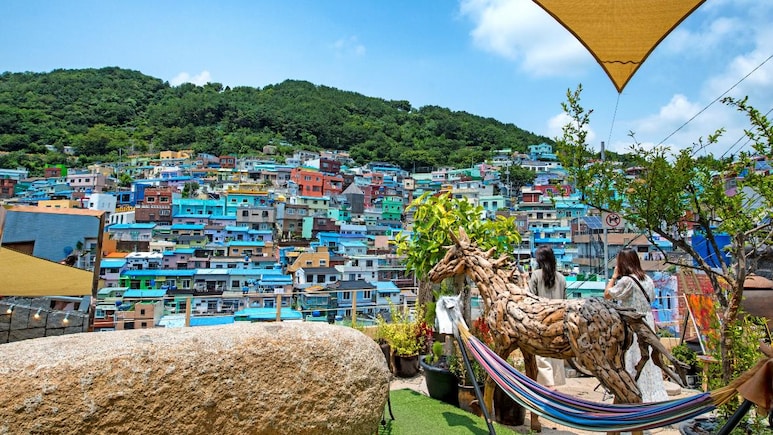
- Gamcheon’s pastel hillside was shaped by a community art project, not chance.
- Once a refugee settlement, the village became Busan’s open-air art landmark.
- Murals, stairways and viewpoints turned Gamcheon into a must-visit attraction.
Some neighbourhoods are remembered for their views, others for their food or history. In Busan, one hillside stands out simply because of how it looks. Rows of softly coloured houses flow down narrow lanes, interrupted by murals, staircases and sudden viewpoints. Visitors often arrive with cameras ready, drawn by the village's postcard-like appeal. What's less obvious at first glance is that this visual identity was carefully created. The pastel colours that define Gamcheon Culture Village today are part of a deliberate effort that transformed an ordinary residential area into a cultural landmark.
Also Read: The World's Largest Lake Is Called A Sea And Touches Five Countries, Here Is Why You Should Visit
A Hillside That Was Once Easy To Miss
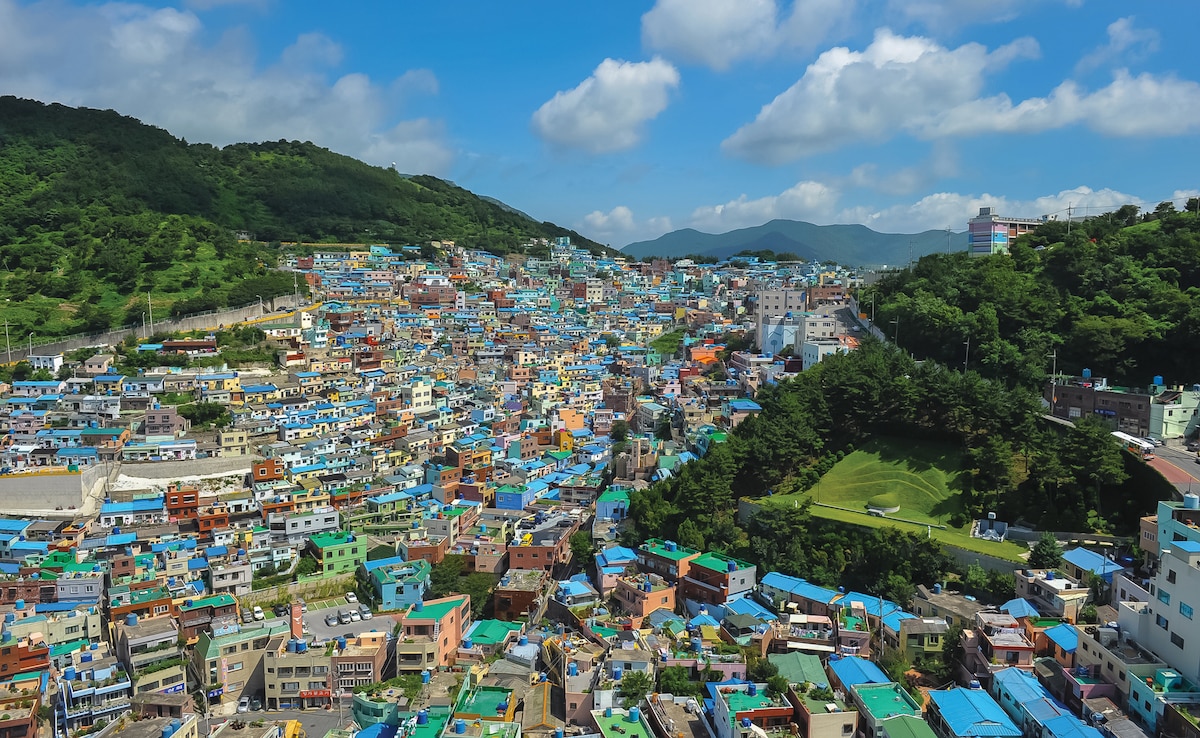
Photo: gamcheon.or.kr
Gamcheon Culture Village sits on Busan's slopes overlooking the sea. For decades, it was known only to locals. The tightly packed homes were built by refugees who arrived in the city during the Korean War, settling wherever land was available. Houses rose one above another, following the natural contours of the hill so that each family could get light and ventilation. Over time, the area remained residential but economically modest. Its steep staircases and maze-like lanes made large-scale development difficult, and Gamcheon stayed largely off the tourist map.
How Art Changed Everything
In 2009, the South Korean Ministry of Culture, Sports and Tourism selected Gamcheon for a community-driven art regeneration project. The idea was simple but ambitious: use creativity to revive a declining neighbourhood without displacing its residents.
Artists collaborated with locals to repaint homes, create murals, install sculptures and reimagine empty spaces. Pastel shades were chosen deliberately - soft enough to blend visually, yet vibrant enough to give the hillside a new identity. Slowly, Gamcheon transformed into what is now described as an open-air art village.
The Meaning Behind The Pastel Palette
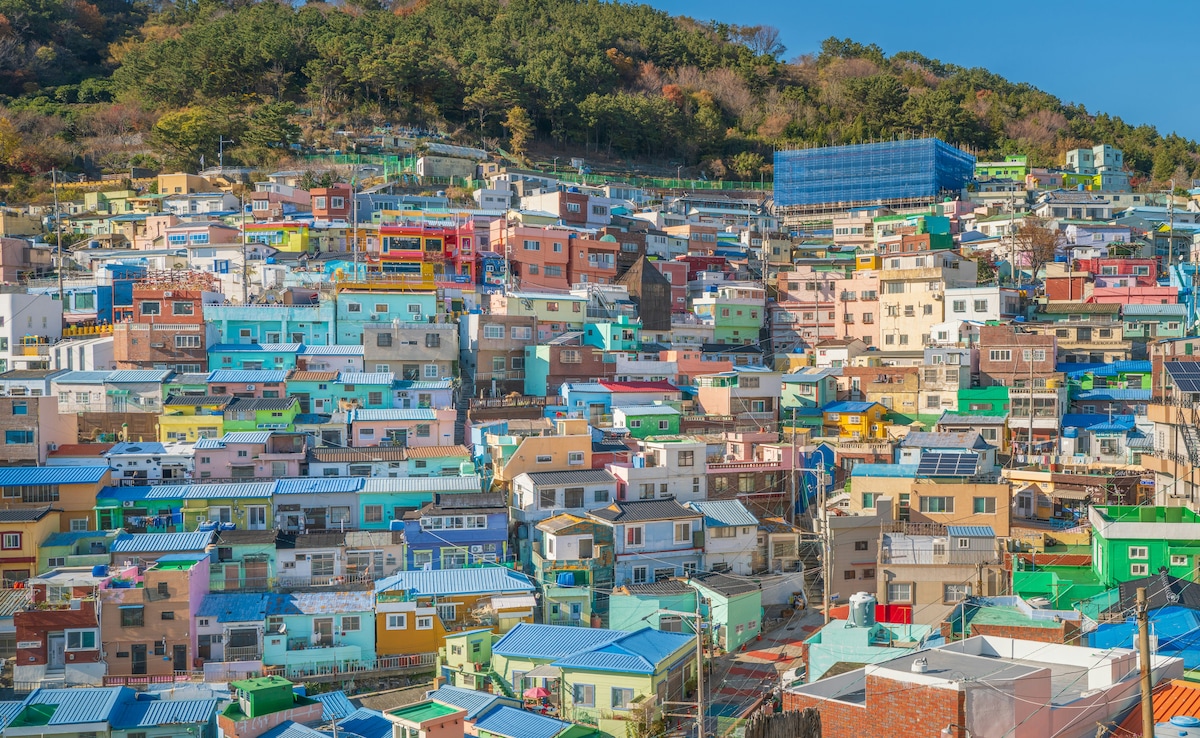
Photo: Unsplash
The colours of Gamcheon are not random. Because the houses sit close together and cascade downward, muted tones help maintain harmony rather than visual chaos. When viewed from above, the pastel blocks appear layered and balanced, creating the village's now-iconic panorama.
These gentle hues also soften the density of the neighbourhood, turning what was once a crowded settlement into a place that feels light, creative and welcoming - qualities that now define Gamcheon's image.
What Makes Gamcheon Culture Village A Must-Visit For Travellers
Walking through Gamcheon feels like exploring a living gallery. Narrow alleys lead to painted staircases, hidden murals and tiny art studios tucked into former homes. One of the most photographed spots is the statue of The Little Prince sitting beside a fox, overlooking the colourful village below.
Many visitors follow a marked trail that guides them to key viewpoints and installations, while others prefer to wander freely, discovering cafés, craft shops and quiet corners along the way. Elevated cafés offer sweeping views of Busan's coastline, making them popular rest stops during the climb.
Also Read: Temples, Stupas, Jungles, Mt Everest: The Complete Guide To UNESCO World Heritage Sites In Nepal
How To Reach Gamcheon Culture Village
Photo: gamcheon.or.kr
Gamcheon Culture Village is about 20–30 minutes from central Busan. Travellers usually take the subway to Toseong Station and continue uphill by local bus or taxi. Once inside the village, exploration is done entirely on foot.
The lanes are steep and uneven, so comfortable walking shoes are essential. Vehicles cannot access most areas, which helps preserve the village's charm.
When To Visit For The Best Experience
Spring (April to June) and autumn (September to November) are ideal times to visit, offering mild weather and clear views. Mornings are especially rewarding, with fewer crowds and softer light that enhances the pastel colours. Late afternoons can also be beautiful as warm sunlight washes over the hillside.
Today, Gamcheon Culture Village is one of Busan's most recognizable attractions. Yet beneath its colourful surface lies a story of resilience, collaboration and thoughtful renewal. For travellers, Gamcheon isn't just a photo stop. It's a reminder that some of the most beautiful destinations are shaped by history, creativity and people working together.
Track Latest News Live on NDTV.com and get news updates from India and around the world


