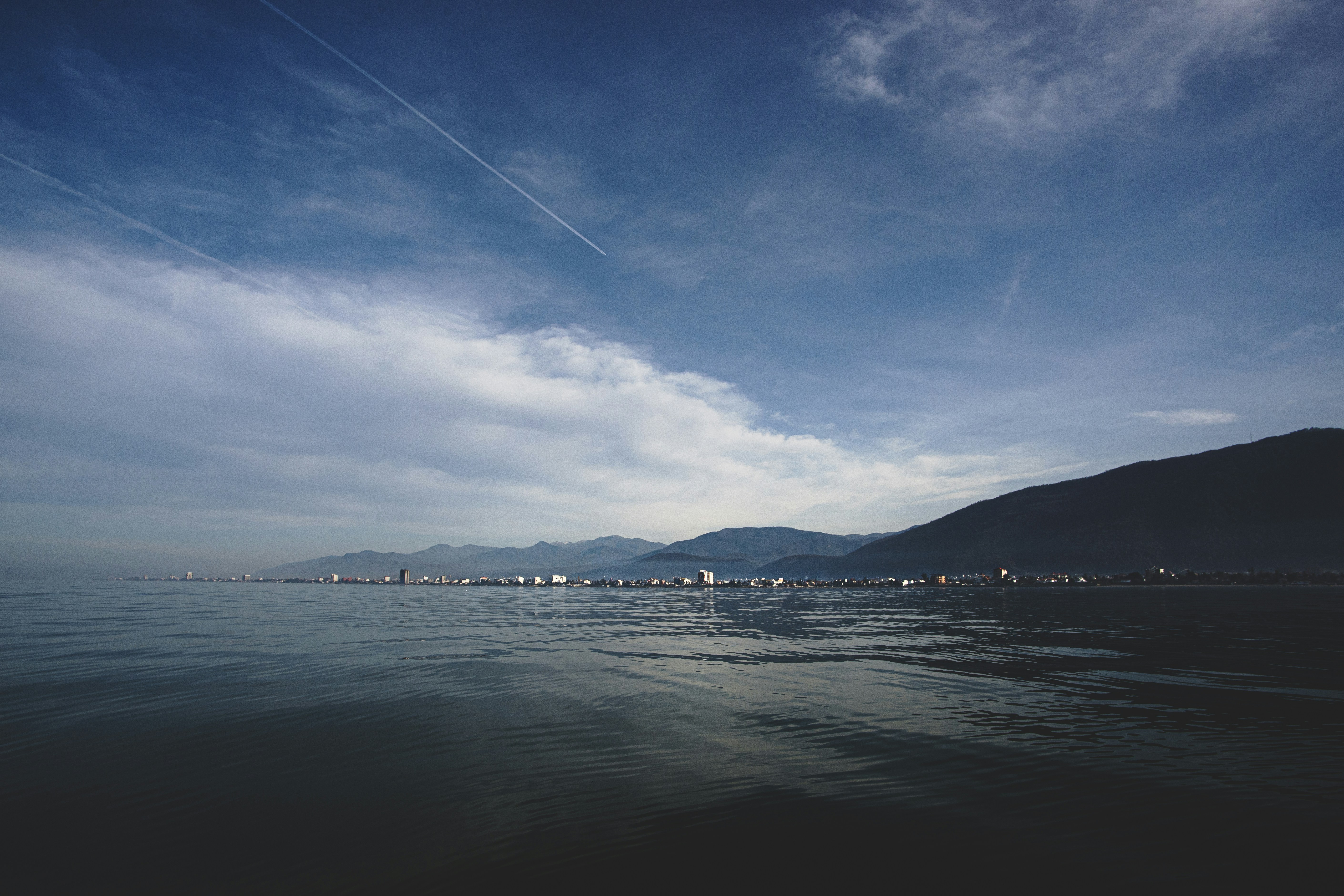
Most people have heard of the Caspian Sea. Fewer people can tell you where exactly it is, and almost nobody realises quite how extraordinary it is until they look at a map and do the maths. This is a body of water that covers 386,400 square kilometres, larger than the entire country of Japan. It is more than a kilometre deep at its lowest point. It borders five different nations, contains around one-third of all inland surface water on earth, and is technically classified as a lake despite being called a sea. It also has its own endemic species of seal. Whatever you were picturing, the Caspian is almost certainly bigger, stranger, and more diverse than that. Here is everything you need to know.
Also Read: Which Indian City Is Known As The Chilli Capital Of India?
Wait, Is It A Lake Or A Sea?
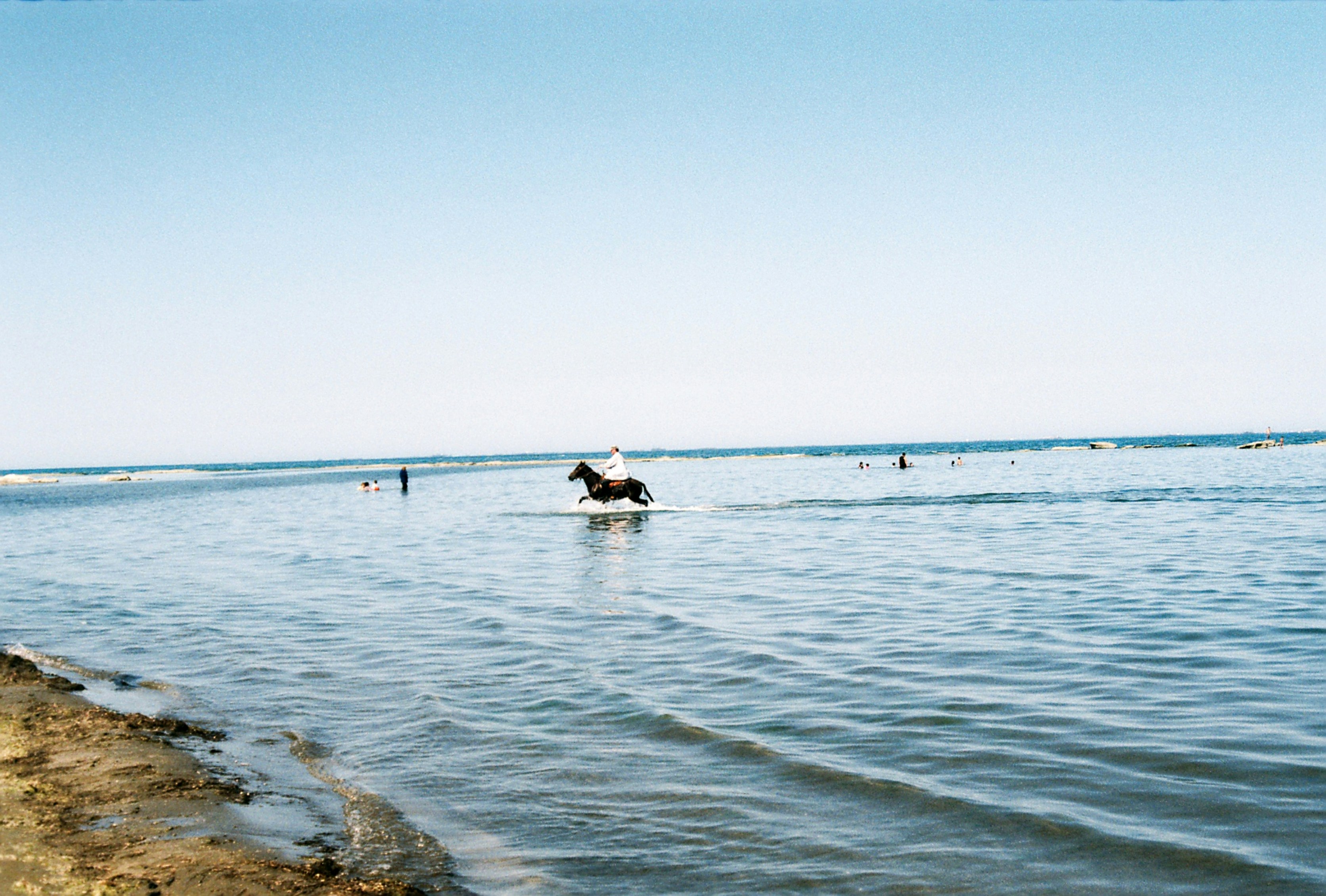
The question of whether the Caspian is a lake or a sea often arises, with the answer being both, depending on perspective. Scientifically, it is a lake, being landlocked and primarily fed by rivers, notably the Volga, which contributes about 80% of its inflow. This makes it the world's largest lake and the largest salt lake. However, it is historically called a sea due to its brackish, salty water and sea-like characteristics in the south, with waves, winds, and an endless horizon. The Caspian's legal and political status has been contentious for decades, as it affects control over its oil and gas reserves. In 2018, after extensive negotiations, the five bordering nations signed the Convention on the Legal Status of the Caspian Sea, granting it a unique legal status that is neither fully a sea nor a lake, a compromise that partially satisfied all parties.
The Five Nations It Touches
The Caspian borders Russia to the north, Kazakhstan and Turkmenistan to the east, Iran to the south, and Azerbaijan to the west. Each of these coastlines has a distinct character, culture, and set of experiences for a visitor.
Russia (Dagestan): The Russian coast, particularly the republic of Dagestan, is rugged, mountainous, and culturally fascinating. The city of Derbent, which sits on the Caspian shore, is one of the oldest continuously inhabited cities in Russia, with a history going back over five thousand years. The ancient Naryn-Kala fortress overlooking the sea is a UNESCO World Heritage Site. The beaches here are quieter and less developed than elsewhere, and the landscape behind them, dramatic Caucasian mountains, gives the coastline a grandeur that is genuinely impressive.
Kazakhstan: The Kazakh coast is vast, flat, and largely undeveloped, which gives it a frontier quality. The city of Aktau is the main coastal settlement, a Soviet-era planned city that has transformed significantly since independence, with oil wealth funding development along the waterfront. The nearby Mangystau region, just inland from the coast, is one of Central Asia's most spectacular geological landscapes, with chalk cliffs, canyon formations, and ancient underground mosques that feel like something from another planet. For travellers interested in going well off the beaten track, this part of Kazakhstan is extraordinary.
Turkmenistan: The Turkmen coast is the least accessible of the five, partly because Turkmenistan itself has historically been one of the most isolated countries in the world. The Avaza tourist zone near Turkmenbashi has been developed as a resort area, with hotels, beaches, and a marina, but visitor numbers remain low. The country requires a visa that takes some advance planning. For those who do make it, the combination of Caspian coastline and the surreal, marble-clad capital, Ashgabat, often described as the world's strangest city, makes for a trip unlike anything else.
Iran (Gilan and Mazandaran): The Iranian coast is the most lush and perhaps the most surprising. The southern shore of the Caspian receives heavy rainfall from the Alborz Mountains, which creates a subtropical microclimate completely unlike the rest of Iran. The provinces of Gilan and Mazandaran are covered in dense forest, rice paddies, and tea plantations, the only tea-growing region in the country, and feel nothing like the desert landscape most people associate with Iran. The coastal towns of Rasht and Ramsar are well-developed resort destinations for Iranian domestic tourists. The food here is exceptional: Gilani cuisine, with its use of fresh herbs, pomegranate, and walnuts, is considered some of the best regional cooking in Iran.
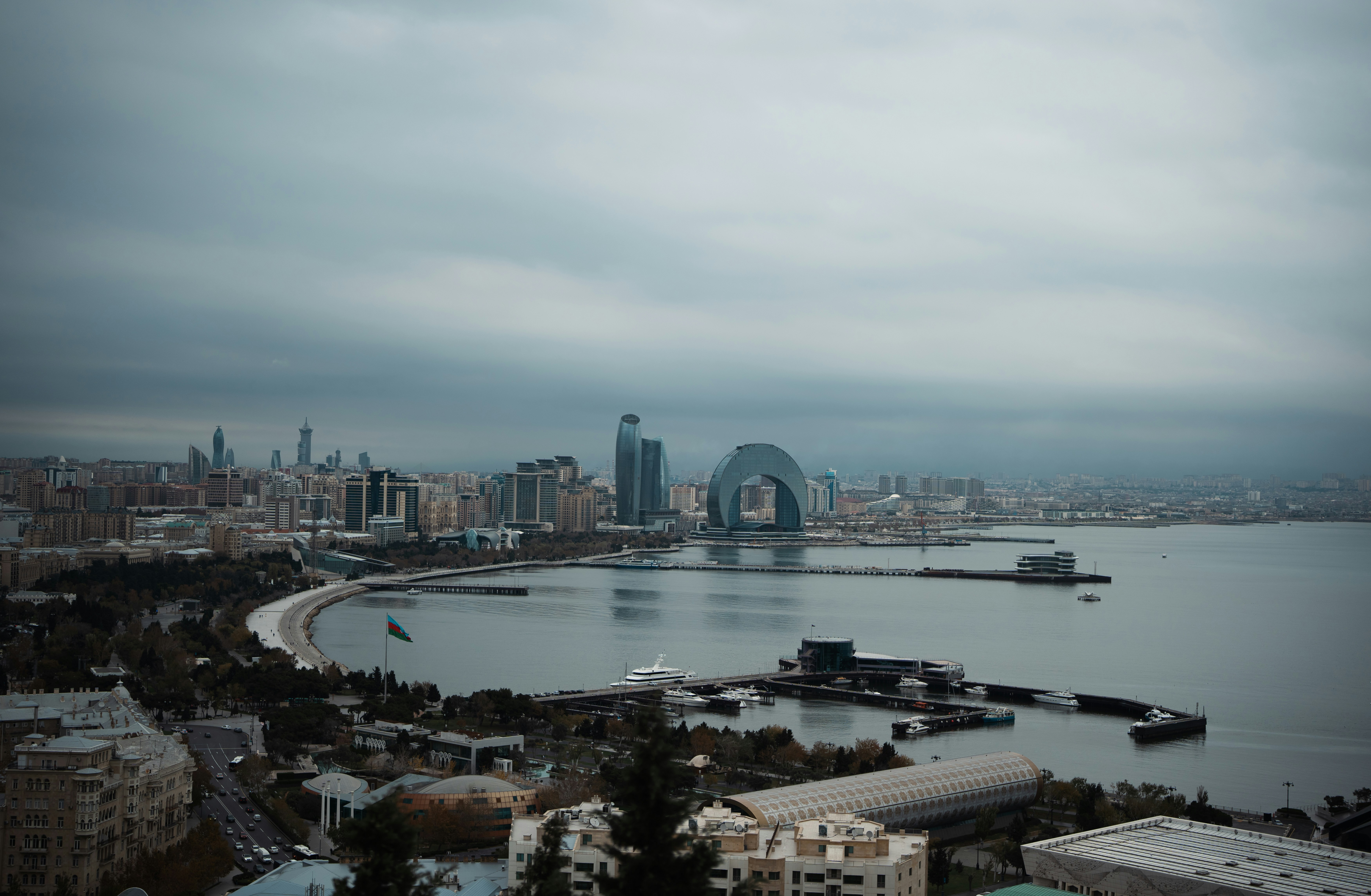
Azerbaijan (Baku): The Azerbaijani coast is where most international visitors end up, and for good reason. Baku, the capital, is one of the most architecturally striking cities in the world, a place where a medieval walled old city (another UNESCO World Heritage Site) sits next to flame-shaped glass towers and a beautiful Caspian-facing boulevard. The Baku Boulevard, a seafront promenade that stretches for about ten kilometres along the waterfront, is where the city comes alive in the evenings. The oil history is everywhere; the region around Baku was the site of the world's first modern oil boom in the 19th century, and museums like the Azerbaijan National Museum of History and the SOCAR (state oil company) exhibitions tell that story well.
What To Do At The Caspian
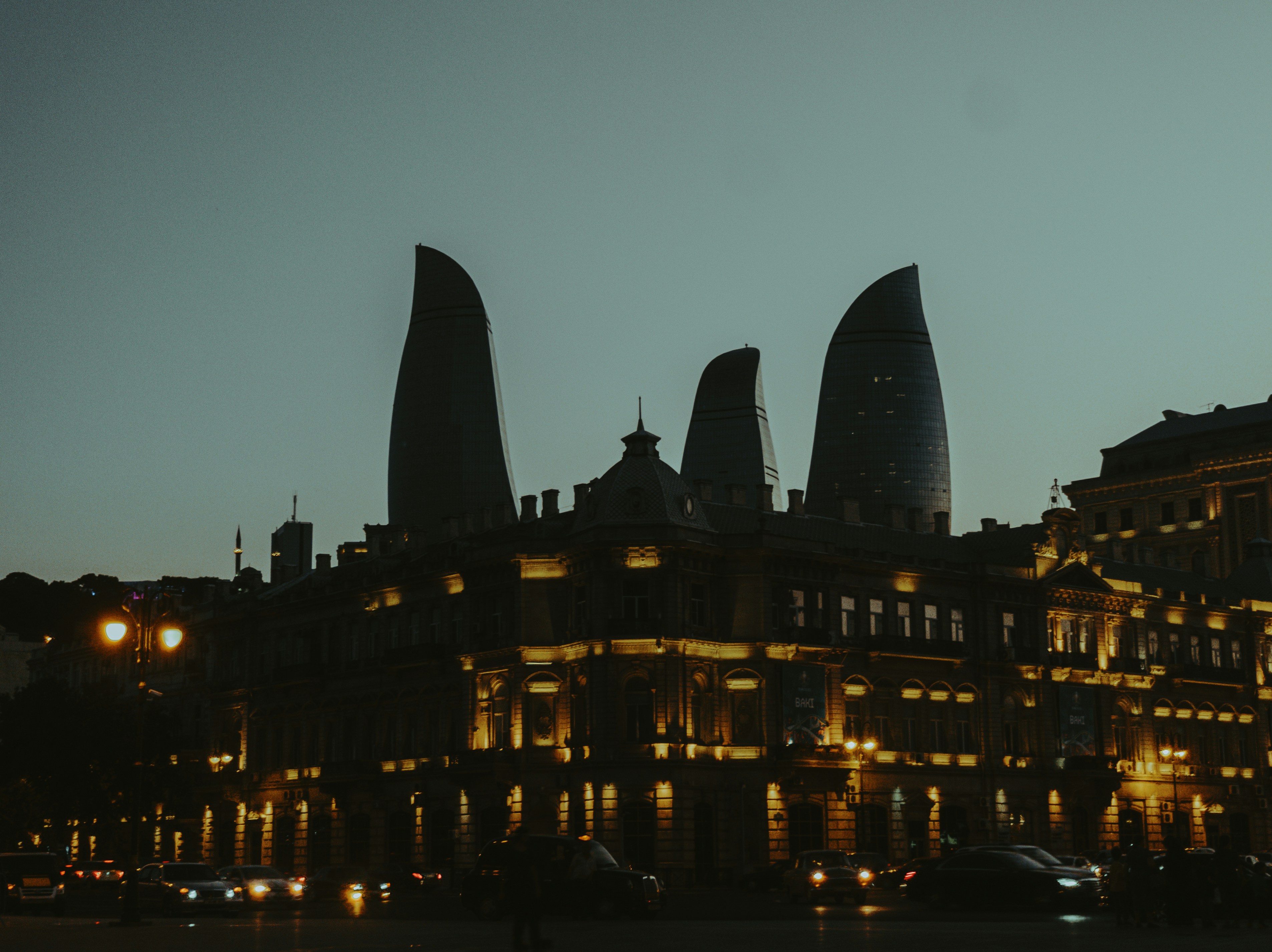
In Baku, Azerbaijan: Walk the Boulevard in the evening when the lights come on. Explore the Icherisheher (the old walled city), which is compact, beautifully preserved, and full of carpet shops, teahouses, and small restaurants. Visit the Flame Towers for the view. Day-trip to the Gobustan National Park (about an hour from Baku) to see ancient rock carvings and the mud volcanoes, small, bubbling craters of cold mud that are oddly hypnotic to watch. The Yanar Dag (burning mountain), a natural gas fire that has apparently been burning continuously for decades, is another strange, photogenic day trip.
In Derbent, Russia: Walk the walls of the Naryn-Kala fortress and look out over the Caspian from a vantage point that people have been standing at for thousands of years. Wander the old Persian quarter of the city, which feels genuinely ancient.
In the Mangystau region, Kazakhstan: Visit the Shakpak-Ata underground mosque carved directly into a chalk cliff, the Bozzhira canyon with its white chalk pinnacles rising from the steppe, and the Ustyurt plateau, one of the most remote and beautiful landscapes in Central Asia. This is not easy travel; a 4x4 is essential, but it is extraordinary.
In Gilan and Mazandaran, Iran: Walk through the Masouleh village, a terraced mountain settlement where the roof of one house is the courtyard of the house above it. Eat in Rasht, which has been recognised as a UNESCO Creative City of Gastronomy. Drink Caspian tea at a roadside tearoom while looking out at the water through a gap in the forest.
Also Read: Which State Is Known As The Valley Of Lakes?
The Wildlife
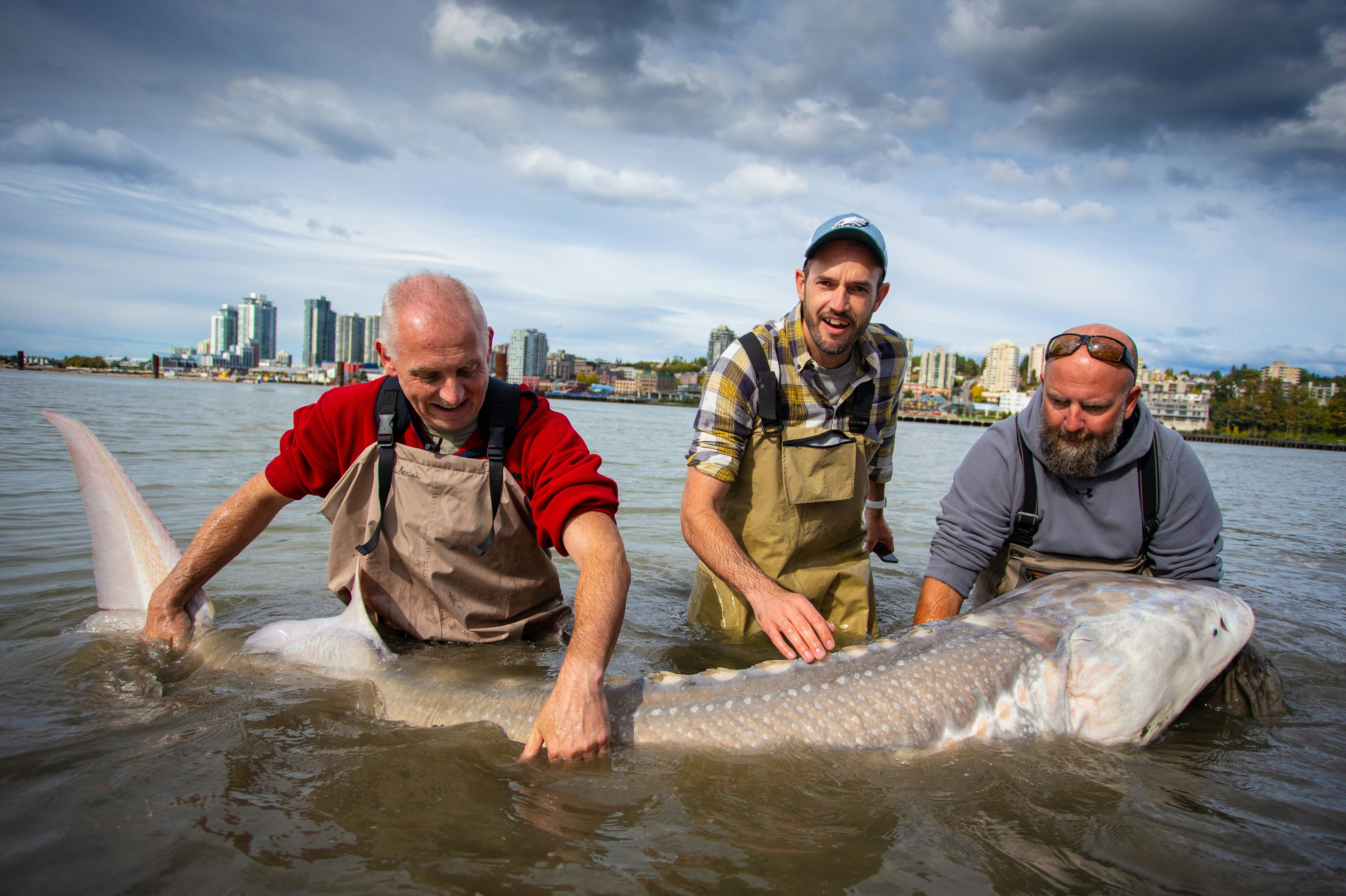
The Caspian is home to six species of sturgeon, including the Beluga sturgeon, which produces the world's most expensive caviar. It is also the only home in the world of the Caspian seal, an endemic species that is currently listed as Endangered by the IUCN. Scientists believe the seals arrived in the landlocked body of water by travelling through a network of rivers from the Arctic that have long since disappeared. The Caspian is also an important migratory flyway for birds moving between Europe, Asia, and Africa, and the wetlands around its edges support enormous populations of waterfowl.
It should be noted that the lake is under serious environmental threat. Researchers from Leeds University have predicted that an area larger than Iceland could evaporate by 2100 due to global warming, a decline that would be catastrophic for the endemic wildlife and the millions of people who depend on the Caspian's resources.
Getting There: A Guide For Indian Travellers
Baku, Azerbaijan, is the easiest entry point and the most tourist-ready destination. IndiGo and Air Arabia operate connecting flights from major Indian cities to Baku, typically via Dubai or Abu Dhabi, with total journey times of around seven to eight hours. Indian citizens can get an e-visa for Azerbaijan online before travel; it is straightforward and costs around USD 26. Baku is a compact, walkable city and genuinely visitor-friendly.
Iran is accessible from India via direct flights on Mahan Air and Iran Air from Delhi, Mumbai, and a few other cities. The Caspian coast is about five to six hours by road or a short domestic flight from Tehran. Indian citizens require a visa, which can be obtained on arrival at Tehran's Imam Khomeini Airport, though it is advisable to check the current status before travel.
Derbent, Russia, is reachable by flying to Makhachkala (the capital of Dagestan) from Moscow, which is connected to India. Derbent is about two hours by road from Makhachkala.
Kazakhstan's Mangystau region can be reached by flying from Almaty or Astana to Aktau, and then arranging a 4x4 tour through a local operator. Kazakh e-visas are available online for Indian citizens.
Turkmenistan requires a tourist visa and is typically visited as part of a Central Asia multi-country itinerary.
Also Read: Which Tea Town Is Called The Peru Of India?
The Caspian Sea is one of those places that recalibrates your sense of scale. It is too big to take in at once, too geographically and politically diverse to reduce to a single story, and too ecologically strange to fit neatly into any category. A lake that is called a sea. A body of water that is landlocked but has waves, salt, and its own species of seal. A shoreline that takes you from the ancient stone walls of Derbent to the lush tea gardens of northern Iran to the flame-shaped towers of Baku. For Indian travellers looking for something genuinely different, a destination that rewards curiosity rather than just ticking a box, the Caspian and the five nations that surround it offer some of the most underexplored and most rewarding travel on earth.
Track Latest News Live on NDTV.com and get news updates from India and around the world


