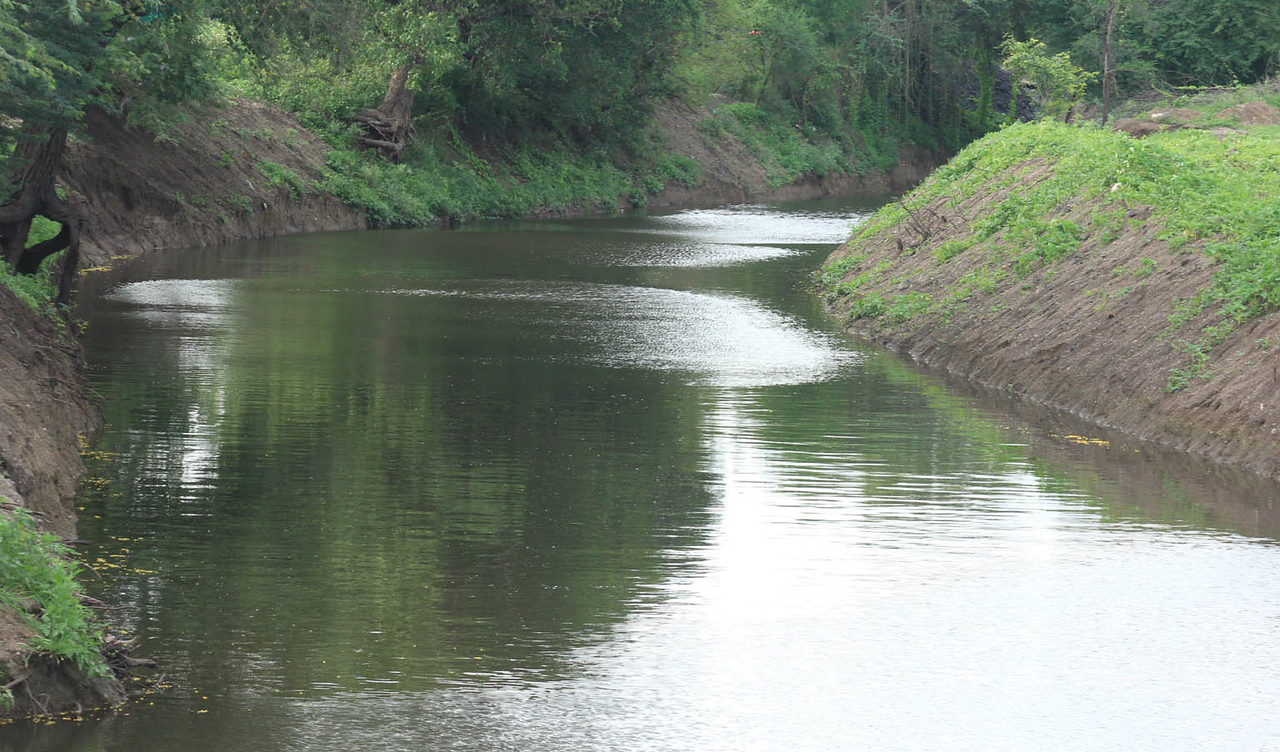
India has over 400 rivers, and most of them you have heard of. The Ganga, the Yamuna, the Kaveri, the Godavari. But somewhere in the stretch of land between Karnataka, Andhra Pradesh, and Tamil Nadu flows a river with two of the most poetic names in Indian geography. It is called the Palar, and locals have known it for centuries as the Kshira Nadi, the River of Milk, and also as Guptagamini, the Hidden River. It is about 348 kilometres long, sustains millions of people across three states, and most Indians outside the south have never heard of it. Here is why that needs to change.
Also Read: Why Visit Dehradun: A Calm Hill City For Travellers Who Want Breathing Space
What Is The Palar River?

The Palar rises quietly in the Nandi Hills of Karnataka, the same beautiful hills that overlook Bengaluru and give birth to the Arkavathy river. From there, it travels approximately 348 kilometres before meeting the Bay of Bengal south of Chennai, passing through Karnataka for about 93 kilometres, touching Andhra Pradesh briefly for around 33 kilometres, and then winding through Tamil Nadu for its longest stretch of about 222 kilometres. In Tamil Nadu, the river passes through the districts of Vellore, Ranipet, and Kanchipuram before finally emptying into the sea near Vayalur-Kadalur village on the East Coast Road, roughly 75 kilometres from Chennai.
-

-
 "Answer Is Obvious": S Jaishankar On UN 'Double Standards' On Protests
 -
 "Answer Is Obvious": S Jaishankar On UN 'Double Standards' On Protests
 -
 'Very Quintessentially American': S Jaishankar On Watching <i>The Diplomat</i>
 -
 'Lost Large Part Of Family To Protect Company': Gautam Singhania Tells NDTV
 -
 S Jaishankar On Pakistan: "Will I Overlook Terrorism For Good Relations? I Will Not"
 -
 S Jaishankar Reveals Which Web Series He Is Watching
 -
 'India's National Mood On Pakistan Changed After 26/11': S Jaishankar
 -
 "Want Good Ties With Pak But Won't Overlook Terrorism": S Jaishankar To NDTV
 -
 "It's Never Done Till It's Done": S Jaishankar On India-US Trade Deal
 -
 Covid Hurt Us Much More Than Iran War: Raymond Chief Gautam Singhania To NDTV
What makes the Palar more than just a geographical fact is the history it carries on its banks. Kingdoms rose and fell here. The Nayaks of Gingee ruled along its course, the Nawabs of Arcot traded across it, and the British East India Company left its own complicated footprint by its waters. This is a river that has seen a lot, quietly.
Why Is It Called The "River Of Milk"?
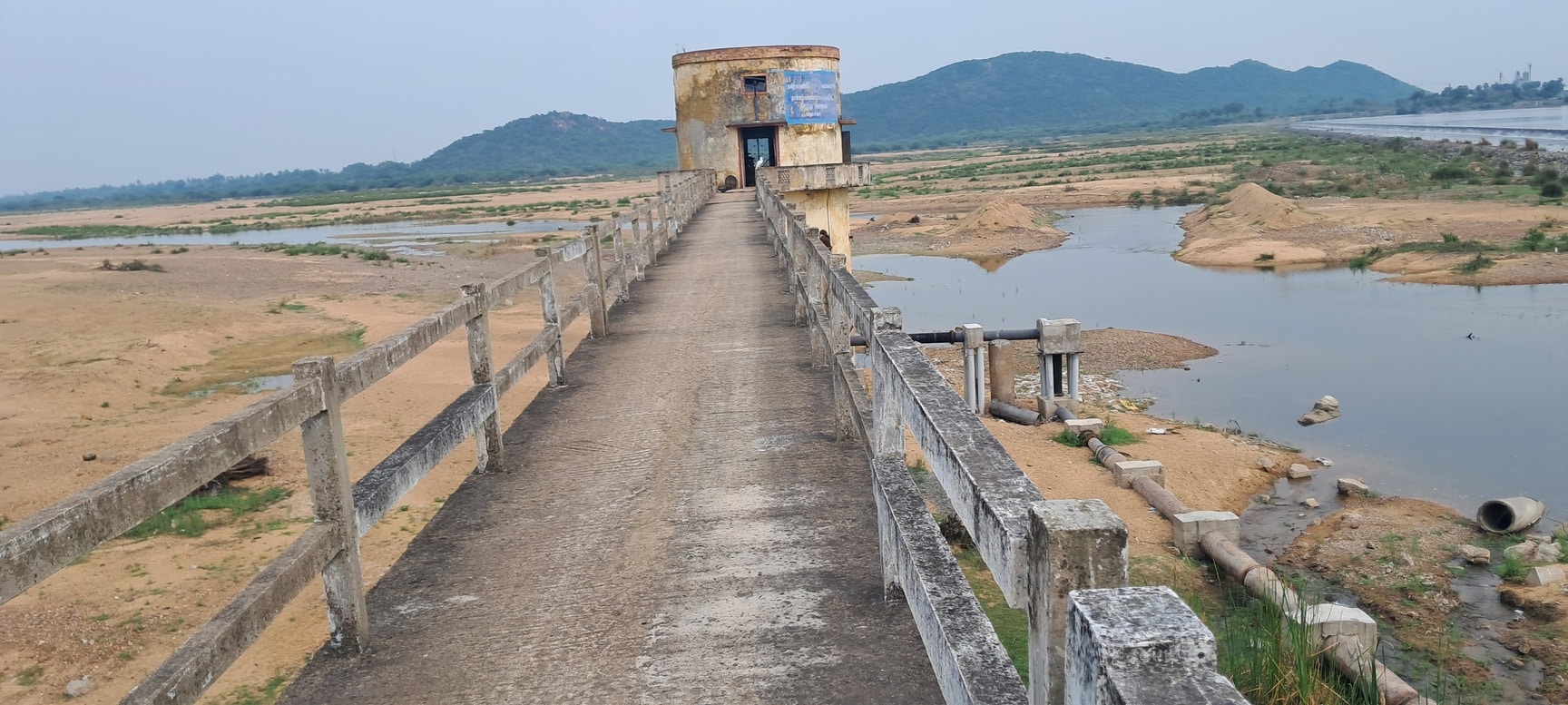
The name Palar originates from Tamil words “paal” (milk) and “aaru” (river), reflecting its historical and geological significance. The riverbed, composed mainly of quartz and feldspar, breaks down into fine, pale sand. During the dry season, sunlight illuminates this white expanse, giving the river a milky appearance from afar. This is not an illusion; the sand's genuine whiteness contrasts with the darker banks of other rivers in peninsular India. Additionally, the Palar flows through areas rich in lime and calcium, imparting natural clarity and a slightly sweet softness to its water. Communities have long described it as having milk-like purity, a notion supported by old texts and temple inscriptions. Beyond its appearance, the Palar is vital for sustenance, akin to milk's role in nourishment. It supports agriculture, drinking water, and daily life in Tamil Nadu's drought-prone districts, with farmers in Vellore, Ranipet, and Kanchipuram relying on its replenished groundwater.
Why Is It Called The "Hidden River" (Guptagamini)?
The Palar River surprises many, appearing dry for much of the year. You can walk across its white sand without seeing water, yet the river flows beneath. It's a subterranean river, with monsoon rains from the Nandi Hills soaking into the sandy bed, moving underground. This hidden flow is invaluable, as the sandy bed acts as a natural aquifer, recharging wells across Tamil Nadu. Historically, the Kolar Gold Fields in Karnataka depended on it for water. With few tributaries, the Palar, aptly named Guptagamini, performs its crucial work quietly, unseen by those above.
The History Along The Palar's Banks
The Palar River, though quiet, has played a significant role in Indian history, with its banks adorned by monuments, battles, and cultural activities. The Pallava kings, ruling South India from the 3rd to 9th centuries AD, constructed temples along the Palar, including the Shri Kailasanathar Kovil at Vasavasamudram. This 8th-century Shiva temple, built during King Nirupathungan's reign, is located on a rocky mound in the river, connected by a narrow bridge. Surrounded by water post-monsoon and set against paddy fields and coconut groves, it offers a unique temple setting in Tamil Nadu.
In the 16th century, the Vijayanagara kings built Vellore Fort on the Palar's northern banks, showcasing Dravidian military architecture with its moat, granite walls, and the Jalakandeswarar Temple. The fort, well-preserved, reflects the histories of the Nayaks, Nawabs of Arcot, and the British. The Virinchipuram temple near Vellore, dedicated to Lord Shiva, was visited by poet Arunagirinathar. Carnatic composer Muthuswami Dikshitar's ancestors hail from a village along the river. The Battle of Pollilur in 1780, a major victory for Hyder Ali and Tipu Sultan against the British, occurred near the Palar, highlighting its historical significance.
Also Read: Which Town In Turkey Is Famous For Sunrise Hot Air Balloon Views?
What To See And Do Along The Palar

Vellore Fort: The single biggest reason to make a trip to the Palar, and easy to underestimate until you are standing in front of it. The fort complex includes the Jalakandeswarar Temple, one of the most beautiful examples of late Vijayanagara architecture in existence. Entry to the fort is free; there is a small archaeology museum inside that is worth an hour. The fort sits directly on the Palar's northern bank, and on a clear morning, the combination of granite walls, moat, and open sky is genuinely striking.
Shri Kailasanathar Kovil, Vasavasamudram (Island Temple on ECR): A small, 8th-century Pallava Shiva temple on a rocky mound in the middle of the Palar, about 80 kilometres from Chennai on the ECR (East Coast Road). Surrounded by water on almost all sides after the monsoon and set against paddy fields and coconut groves, this is one of the more quietly extraordinary temple settings in Tamil Nadu. Getting there requires navigating some narrow village roads, but the setting makes every turn worth it. Go early morning if you can; the light and the quiet are both better.
Kadalur Check Dam, ECR: Built in 2019 at the mouth of the Palar where the river meets the sea, this is the place to go if you want to actually see the Palar with water in it. Between November and February, after the northeast monsoon, the dam backs up enough water to create a proper body of blue visible from the road. Pelicans, egrets, and other waterbirds gather here to fish. Families wade in and slide down the spillway. It is an entirely local, entirely unpretentious scene. Look for the signboard on the ECR before the bridge and take the left turn through Vayalur village.
Palar River Viewpoints, Kanchipuram District: The stretch of the Palar through Kanchipuram is wide and dramatic, and just after the monsoon, the white sandy bed with thin streams of surface water running through it has a strange, beautiful quality that is hard to describe properly. Kanchipuram itself is one of the seven sacred cities of Hinduism and is worth a full day for its temples and its famous silk weaving tradition.
Virinchipuram Temple, near Vellore: A significant Shiva temple on the Palar's banks near Vellore, associated with the 15th-century Tamil poet Arunagirinathar. The riverside setting is peaceful, the gopuram is visible from a distance, and the temple is one of the classic stops on what heritage enthusiasts call the Palar temple circuit.
What To Eat Along The Palar Belt
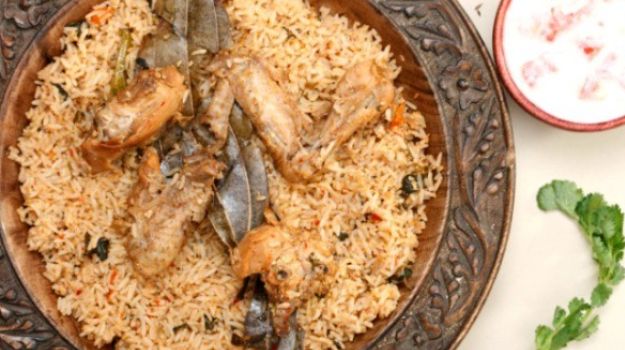
The Palar runs through some genuinely good food territory, and eating your way along its banks is a quiet pleasure in itself.
Vellore biryani: Vellore has its own biryani tradition that deserves far more attention than it gets. Made with seeraga samba rice, a short-grain aromatic variety, and cooked with a generous hand of spices, it is less oily than Hyderabadi and more intensely flavoured than most Tamil Nadu versions. Any local Muslim-owned restaurant in the heart of Vellore town will do it justice.
Kanchipuram idli: If the Palar takes you through Kanchipuram, do not leave without eating the local idlis. They are large, firm, and spiced with pepper, cumin, and gingelly oil, quite unlike the soft versions you get in Chennai. Traditionally served as temple prasad at the Varadharaja Perumal temple, they are also available in local restaurants around town. Best eaten fresh, with coconut chutney.
Banana leaf thali in Ranipet: Most people drive through this industrial town on the Palar without stopping. They should not. There are excellent no-fuss vegetarian thali spots here run by local families. Rasam, sambar, rice, and a small payasam, all on a banana leaf, all for under a hundred rupees.
Roadside tea and snacks on ECR: Along the ECR stretch near the Palar delta, small tea stalls serve fresh murukku, banana chips, and very strong tea. Stop at one between Mahabalipuram and the Vayalur turnoff. It is worth it.
Fresh seafood near Vayalur: Since the Palar meets the sea near this coastal village, fresh fish is available at informal stalls and small eateries along the ECR. Fried seer fish and prawn fry are the things to order.
Also Read: 5 Most Colourful Holi Celebrations In India You Need To Experience At Least Once
Travel Tips For Visiting The Palar

Best time to visit: October to January, immediately after the northeast monsoon. This is when the Palar has its best chance of showing surface water. The Kadalur dam fills up, the island temple at Vasavasamudram is surrounded by water, and the landscape along the river is greener than at any other time. Avoid April to June when the riverbed is bone dry and the heat is unforgiving.
Getting there from Chennai: The ECR is the most scenic route for the delta and island temple section, about 75 to 80 kilometres from the city. Vellore is about 130 kilometres on NH48, well connected by both road and rail. Kanchipuram is about 70 kilometres from Chennai with good access from both Chennai and Bengaluru.
Getting around: The Palar does not have a dedicated tourist circuit yet, which is part of its charm. Self-driving or hiring a local cab gives you the most flexibility. Most of the riverbank spots are accessed through village roads that a regular sedan handles well in dry weather.
Carry cash: The temple towns and roadside eateries along the Palar are largely cash-only. ATMs in Vellore and Kanchipuram are easy to find; plan ahead for the ECR stretch.
Wear comfortable shoes: The sandy riverbed and the village paths leading to places like the island temple are uneven. Good footwear matters more than you might expect.
On the dry riverbed: Do not be put off if the Palar looks completely dry when you visit. Most of the time, it will. That is precisely the point. The river is not absent; it is hidden. Standing on that wide, white sandy bed, knowing water is moving somewhere beneath you, is a genuinely unusual feeling. It is the kind of thing that makes the Palar stay with you long after you have driven back to the city.
The River Of Milk
The Palar is not a river that announces itself. It does not crash over dramatic waterfalls or roar through canyon walls. It seeps quietly into the ground, feeds the land from below, nourishes a dozen ancient temple towns, and shows up in full only when the rains are right. For centuries, farmers and priests and pilgrims have understood this river the way you understand a quiet person: slowly, and with attention. India has no shortage of famous rivers, but the Palar is something rarer. It is a river with secrets. And in a country that loves a good story, a hidden milk river is one that deserves to be found.
Track Latest News Live on NDTV.com and get news updates from India and around the world


