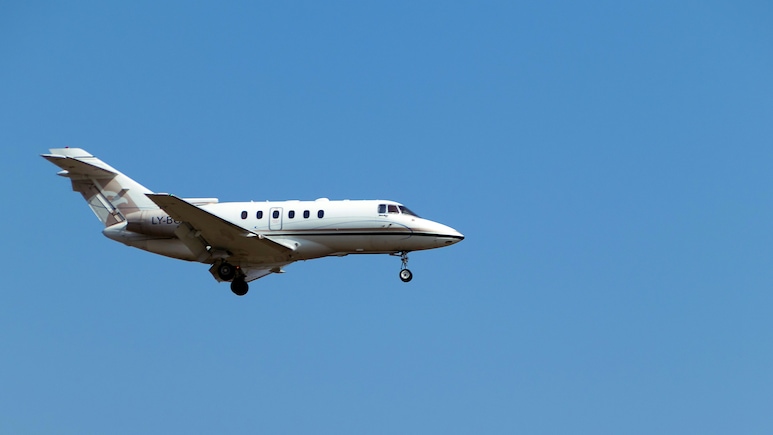
Look out of a plane window during a flight and you will see most planes seem to be flying at almost the same height. Commercial flights usually fly at several thousand feet above the clouds, but some private jets can go even higher. It is not because they are smaller or carry fewer passengers. But there are other reasons that would make you understand how these flights can go up so high. If you have ever wondered, here are some reasons that can help you explain this phenomenon.
Also Read: Applying For A New Passport? Latest Fees And Validity Updates You Should Know
Some Private Jets Are Built To Fly Much Higher Than Commercial Planes
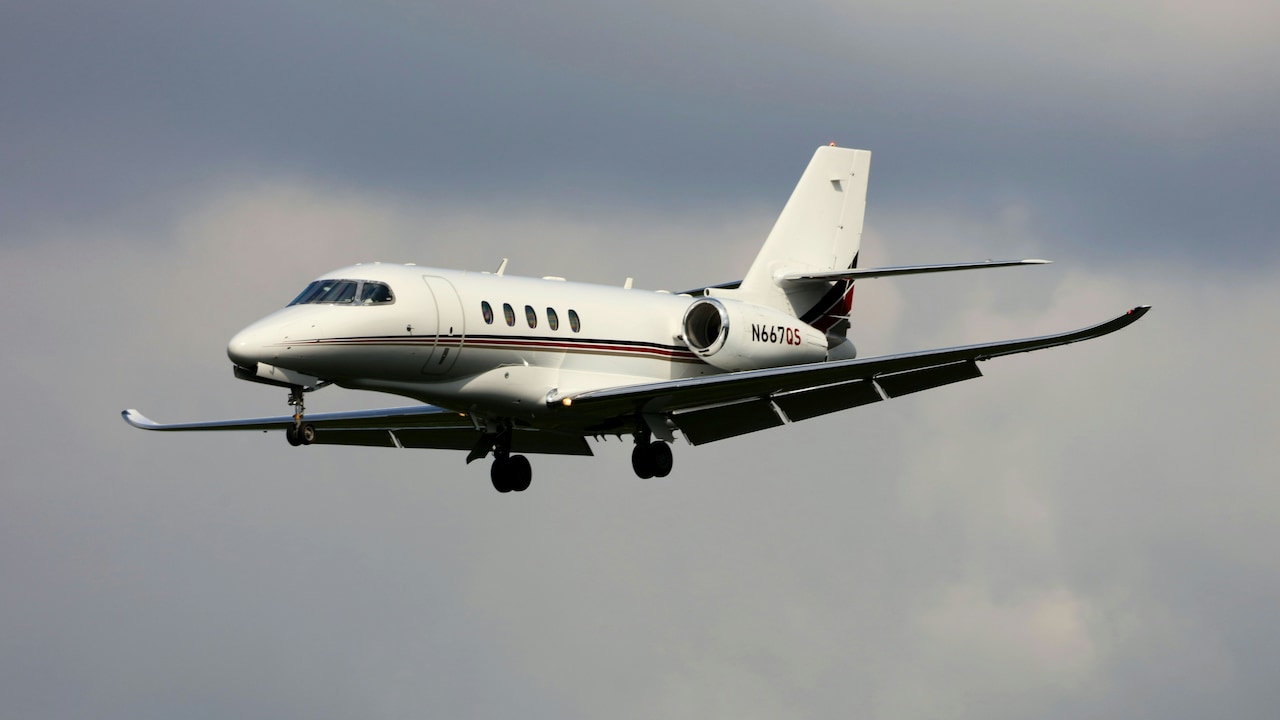
Photo: Unsplash
Part of the answer lies in the aircraft itself. Jets like the Gulfstream G700 are designed to operate at extremely high altitudes, and some business jets are certified to fly above 45,000 feet, with a few able to reach 51,000 feet.
Airliners are built for a different purpose. They're carrying hundreds of passengers, checked bags and cargo on every flight, so their operating limits are naturally different. That's why most commercial aircraft cruise lower than many private jets, even though both are capable of flying well above the weather.
The Air Gets Thinner The Higher You Go
Higher altitudes come with a trade-off. As the air thins out, aircraft performance changes, and there comes a point where climbing any further is no longer practical. According to the FAA, thinner air affects key aspects of flight, including lift, thrust and drag. Every aircraft has a ceiling, and that ceiling is determined by how much performance it can retain as the air gets thinner.
High Altitude Can Make Flying More Efficient
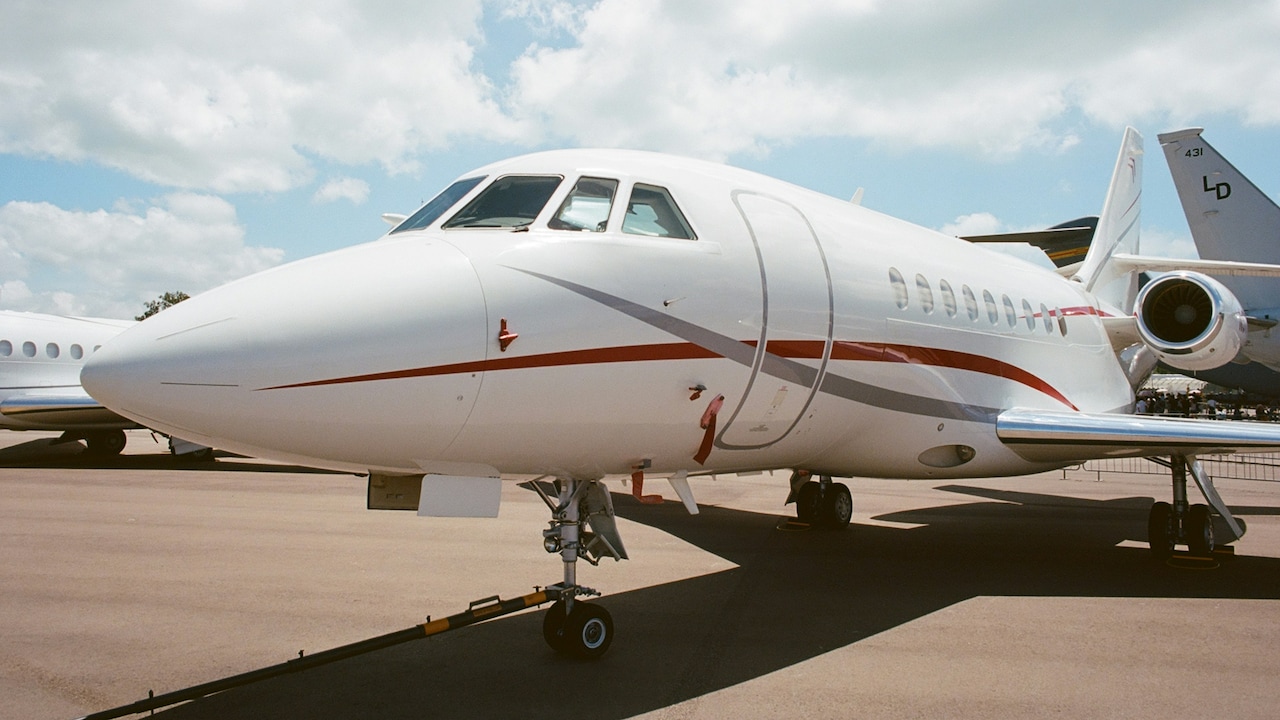
Photo: Unsplash
There's a reason jets spend most of a long journey cruising high above the clouds. According to the FAA, jet engines tend to perform more efficiently in the colder air found at higher altitudes, which can help improve fuel economy and overall performance on long flights. That said, higher isn't always better. The most efficient cruising altitude depends on a range of factors, including the aircraft's weight, weather conditions, winds and the route being flown.
The Rules Are A Little Different At Those Heights
Flying above 41,000 feet isn't just about climbing higher. The airspace becomes less crowded, but it also comes with a different set of rules. According to the FAA, aircraft operating at those altitudes are usually kept farther apart vertically than planes flying lower down. And even if a private jet is capable of reaching 51,000 feet, that doesn't automatically mean it can fly there whenever it wants. The final altitude still depends on air traffic control instructions, weather conditions and the aircraft's own operating limits.
Also Read: Traveller Shares Clever Hacks To Make Your Next Trip Easier
Not Every Private Jet Is Flying Above The Airlines
There's a common perception that private jets always fly higher than commercial aircraft, but that's not really the case. Plenty of Boeing and Airbus airliners are capable of cruising above 40,000 feet.
What gives some business jets an edge is their design. Models such as the Gulfstream G700 are built to operate at exceptionally high altitudes and can climb as high as 51,000 feet. So if a private jet happens to be flying above the airliners around it, that's usually down to the aircraft itself. Its weight, performance, flight plan and operating limits all come into the picture, along with weather and air traffic control requirements on the day.
Track Latest News Live on NDTV.com and get news updates from India and around the world


