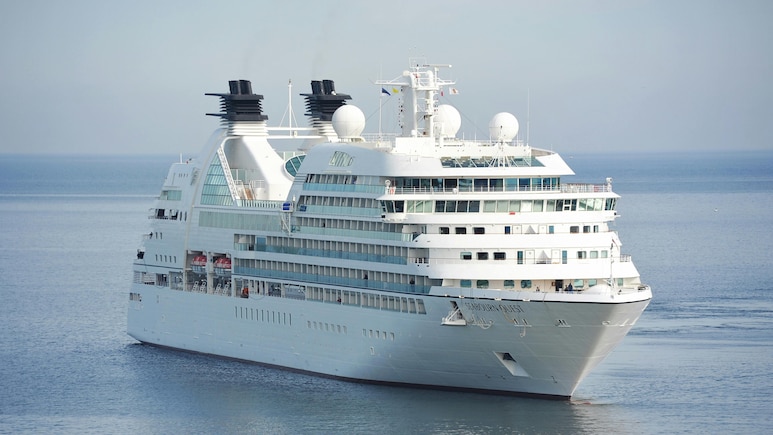
- Cruise ships feel steady thanks to their size, smart design and advanced stabilising technology.
- From hull shape to route planning, every detail is engineered to minimise wave movement.
- Even in rough seas, modern cruise ships are built to handle motion smoothly and safely.
If you have ever stepped onto a massive cruise ship, you may have expected the sea to make itself known. After all, you are floating on open water. Yet once the ship starts moving, the experience often feels surprisingly steady. Glasses stay upright, corridors barely sway, and for long stretches, you could forget you are at sea at all. This is not luck or calm oceans. Cruise ships are engineered to minimise motion, using design, technology and route planning to keep the journey smooth.
Also Read: Why Do You Hear That 'Ding' On Flights? The Meaning, Explained
Here Are 5 Reasons Why Cruise Ships Rarely Feel Waves
1. It Starts With The Size Of The Ship
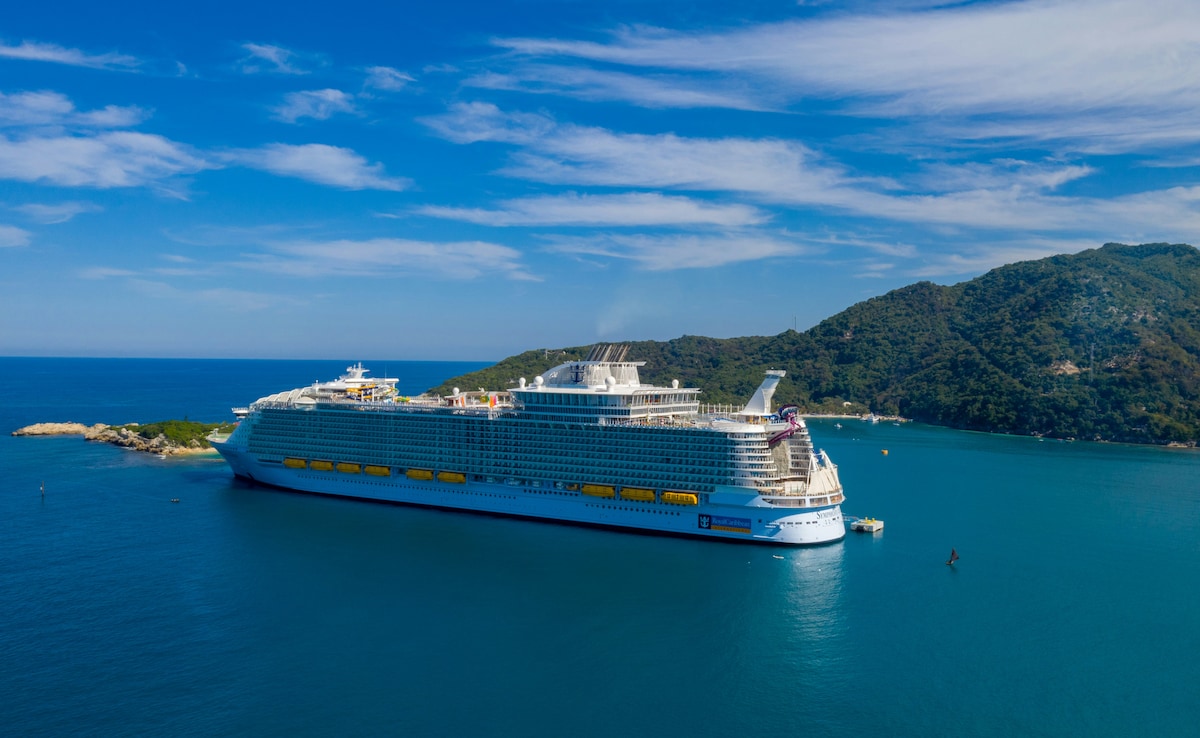
Photo: Unsplash
One of the biggest reasons cruise ships feel stable is their sheer size and weight. Modern cruise ships are among the largest moving structures in the world, displacing tens of thousands of tonnes of water. Because of this mass, small and moderate waves simply do not have enough force to move the vessel noticeably. While waves may rise and fall around the ship, the hull cuts through them rather than riding over them, reducing the sensation of motion for passengers onboard.
2. The Hull Is Designed To Cut Through Water
Cruise ships are built with specially shaped hulls that prioritise stability. The lower part of the ship is wider and heavier, lowering the centre of gravity and making it harder for waves to tip or roll the vessel. This design helps the ship slice through swells instead of being pushed side to side by them. The result is less rolling motion, which is the movement most likely to make people feel seasick.
3. Stabiliser Fins Work Behind The Scenes
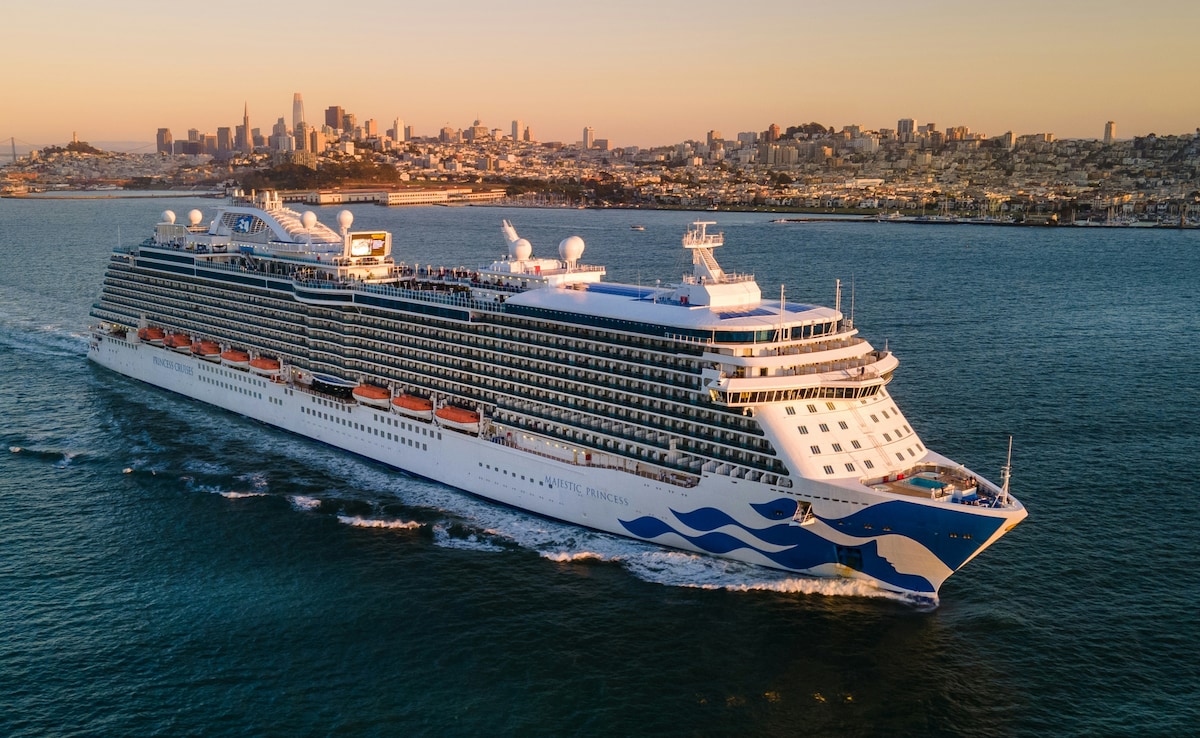
Photo: Unsplash
Most modern cruise ships are fitted with stabiliser fins, which act like underwater wings. These fins extend from the sides of the ship once it is moving and adjust automatically in response to wave motion. By creating lift in the opposite direction of the roll, they counteract the ship's movement and keep it level. Passengers never see them, but stabilisers play a major role in making the sea feel calm, even when conditions outside are not.
4. Cruise Routes Are Carefully Planned
Another reason waves often go unnoticed is route selection. Cruise ships do not simply sail in straight lines. Routes are planned using detailed weather forecasts and ocean data to avoid rough seas whenever possible. Captains can adjust speed or course to steer around storm systems or high swells. This proactive navigation helps maintain comfort long before passengers would ever feel a change in motion.
Also Read: Why Do Airports Make You Remove Your Laptop? The Real Reasons Behind Security Checks
5. Movement Is Spread Across The Ship
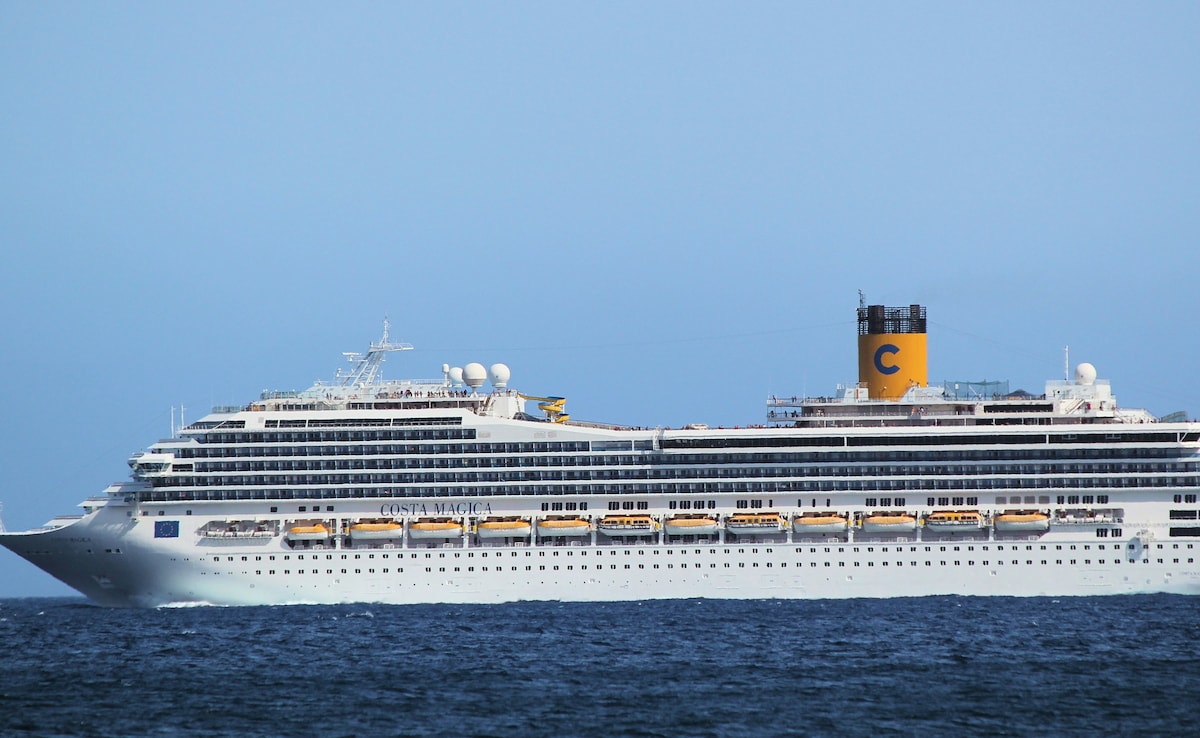
Photo: Unsplash
Even when a cruise ship does move, the motion is distributed across a very large structure. This makes it harder for the human body to detect sudden shifts. Lower decks, in particular, feel less movement because they are closer to the ship's centre of gravity. That is why passengers staying mid‑ship and on lower levels often notice even less motion than those on higher decks.
When You Do Feel Waves
There are moments when the sea makes itself known, usually during very rough weather or when the ship is sailing through open ocean crossings. In these cases, passengers may feel gentle rocking or swaying. However, this movement is still controlled and expected, not a sign of danger. Cruise ships are built to handle conditions far rougher than what passengers typically experience.
Track Latest News Live on NDTV.com and get news updates from India and around the world


