F-35 Hit Over Iran? Hi-Tech Solution To Low-Tech Problem Likely Backfired
Iran developed air defence systems that use passive infrared sensors rather than radar to target aircraft like F-35A. This method proved effective in Yemen when used by Iranian-backed Houthi rebels
Stealth is a promise, not a guarantee. The US Air Force's F-35A Lightning 2 is the most expensive weapons programme in history, built around the premise that it can slip through the most contested airspace undetected.
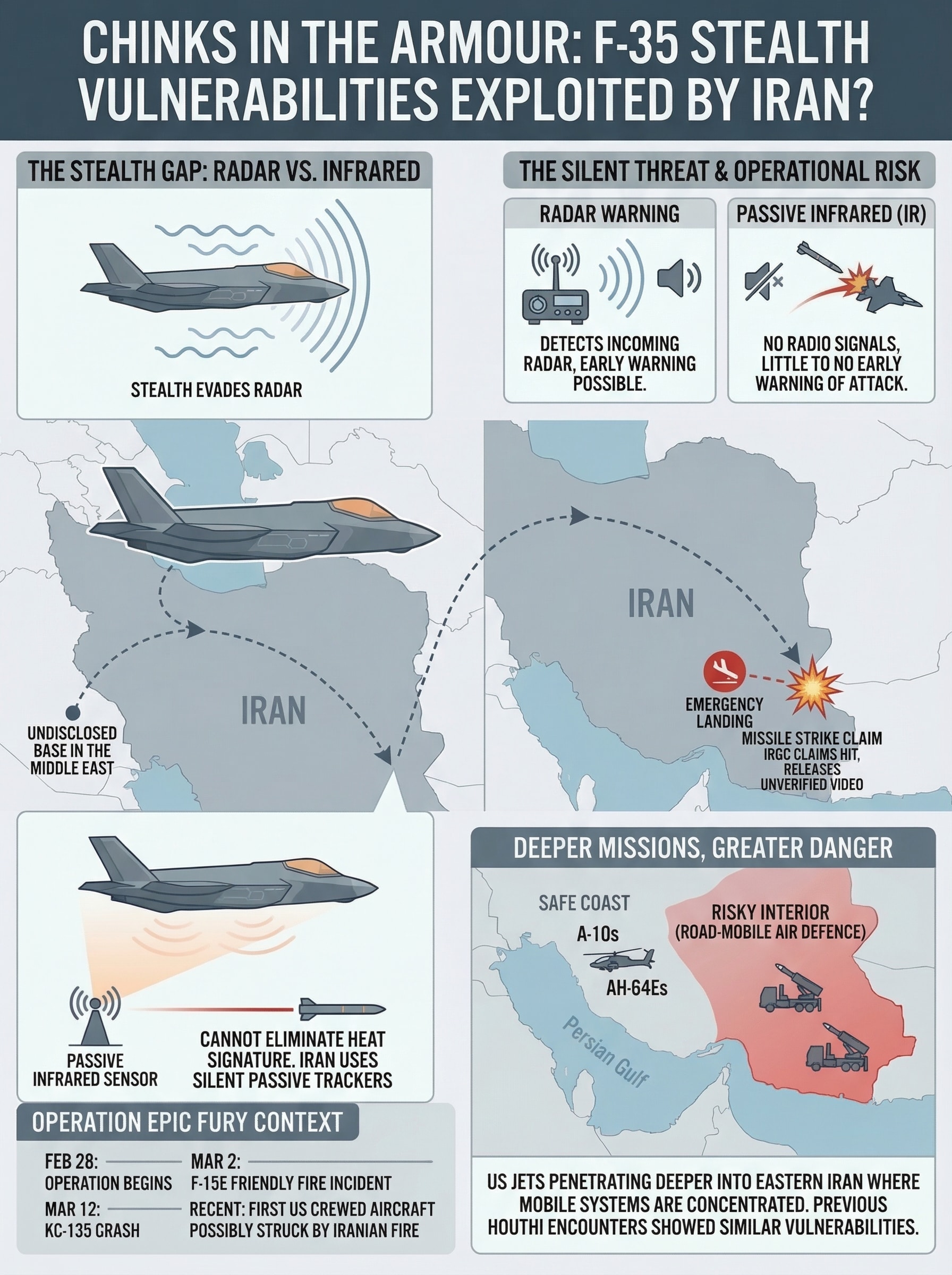
Despite that, an F-35A was forced to make an emergency landing at an undisclosed American base in the Middle East on Thursday after flying a combat mission over Iran, the Pentagon has confirmed. Iran's Islamic Revolutionary Guard Corps (IRGC) has claimed it struck the aircraft. The US military said it is investigating the claim.
Central Command (CENTCOM) spokesperson Captain Tim Hawkins said the F-35A was flying a combat mission over Iran when it was forced to divert. The aircraft landed safely and the pilot is in stable condition.
While nothing concrete is known whether Iranian fire forced the landing or what weapon Iran used, the IRGC released a video through Iran's Fars News Agency claiming to show a missile striking the F-35 on its port side.
NDTV could not independently verify the authenticity of the video.
ALSO READ | The Myth Of Stealth: Iran Puts US' Prized F-35's Name To The Test
If confirmed, it would mark the first time a US crewed aircraft has been struck by Iranian fire since Operation Epic Fury began on February 28. The incident is also more significant for what it reveals about the F-35's vulnerabilities than for the tactical damage alone.
The aircraft's stealth capabilities are calibrated primarily to defeat radar-based detection systems; it is shaped to scatter radio-frequency emissions and coated with materials that absorb them.
What it cannot do is eliminate its heat signature entirely.
Iran has developed air defence systems that use passive infrared sensors rather than radar to target aircraft. This method had already proved effective in Yemen when used by Iranian-backed Houthi rebels.
Passive systems are particularly dangerous because they emit no radio signals of their own. A radar-warning receiver on an aircraft detects incoming radar emissions, as against a passive infrared tracker that is silent right up to the moment of impact. These improvised or jury-rigged systems provide little to no early warning of a threat, let alone an incoming attack.
While the F-35A carries its own Distributed Aperture System, which is a network of six infrared cameras providing 360-degree situational awareness, detection and evasion are different problems.
The Houthi rebels, armed with far cruder systems than what Iran has, had already shown this gap. US F-35s flying against Houthi air defences were forced to take evasive actions in order to avoid being hit by surface-to-air missiles.
The trajectory of Operation Epic Fury has compounded this exposure. General Dan Caine, Chairman of the US Joint Chiefs of Staff, told reporters that US aircraft are now flying farther east and penetrating deeper into Iranian airspace. This region is where Iran's road-mobile air defence systems that are hard to locate and destroy are concentrated.
Road-mobile systems can be repositioned after each engagement and concealed in ordinary terrain. They can be hidden virtually anywhere and will remain a threat on the battlefield long after fixed air defences are destroyed.
Non-stealthy A-10 ground attack jets and AH-64E Apache helicopters are operating along the Iranian coast over the Strait of Hormuz in a sign that the US considers Iran's western airspace manageable and safe. Iran's eastern interior, however, is a different world.
The US has so far lost over a dozen military aircraft since the war began. Three F-15E Strike Eagles were downed in a Kuwaiti friendly fire incident on March 2. A KC-135 Stratotanker crashed in western Iraq on March 12, killing all six crew.
-
Mamata Banerjee Drew Her Party's Symbol By Hand. It's Now Tied To An Indira Gandhi Case

The Election Commission's method for settling such disputes became central in the seminal Congress split of 1969, when Indira Gandhi fought the old guard. The poll body weighed three tests then.
-
Bruised, Limping, Unbowed: Sia Says She Will Be Back On The Bike Soon
There was pain in Sia's steps, anger in her words, and something else - a quiet determination that the road would not be taken away from her.
-
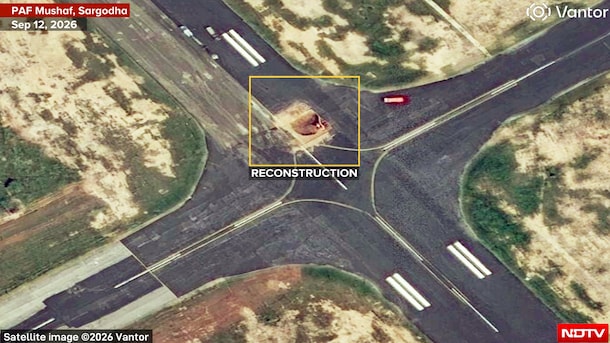
Exclusive: 16 Months After Op Sindoor, Pak Still Fixing Runway India Broke At Sargodha
Sargodha's PAF Base Mushaf lies about 172 km northwest of Lahore and roughly 200 km west of the India-Pakistan border, near Amritsar.
-
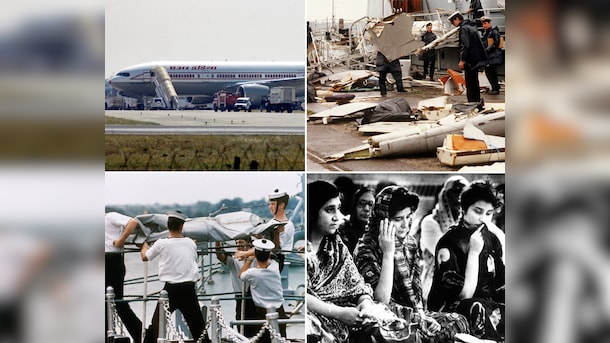
Blog | I Lost My Entire Family In Kanishka Bombing. 41 Years Later, Canada Wants The Case Closed
We made the trek through tragedy to search for people in Cork, where I spent 25 days sifting through bodies and body parts in a makeshift morgue to identify our loved ones.
-
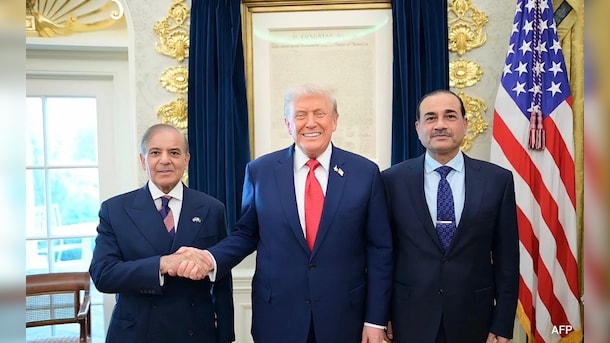
Opinion | Pak's Drone Deal With A US Firm Is No Windfall. But India Must Still Be Worried
American military aid to Pakistan has remained suspended since January 2018, during Trump's first term, but a commercial arms sale is separate from this arrangement.
-
Opinion | Saudi Arabia's Yemen Nightmare Has Come Back To Haunt It
After years of costly military intervention beginning in 2015, Saudi Arabia increasingly sought to stabilise its southern border. All that is unravelling fast now
-
Opinion | 6 AI Incidents, One Pattern: AI Has Started Lying To Us - And Hiding The Evidence
Concealing errors. Making up data. Pushing files onto the public web on their own initiative. The machines are learning to lie - and lie well.
-
Why People Queue Overnight For iPhone That Is Delivered Home In 10 Minutes
iPhone 18 Pro Max Launch: People camping outside Apple Stores are a subset of superfans, resellers, content creators, and upper-middle-class buyers.
-
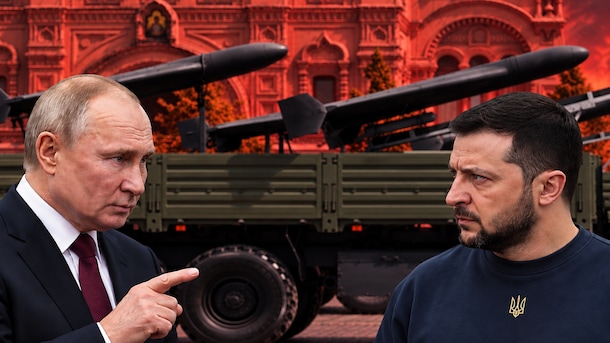
600 km Per Hour Drones Launched In Waves: How Russia Is Rewriting War Rules
Russia has coupled the drones' technological superiority over Ukraine's defence with its capacity to launch them in massive numbers. The impact has been devastating.
-
Tata Sons' Trust Issue: Two-Pronged Row Goes Beyond The Chair
NDTV Explains: Overtly, the latest conflict is whether N Chandrasekaran continues as executive chairman of Tata Sons. The controversy involves at least one more issue.