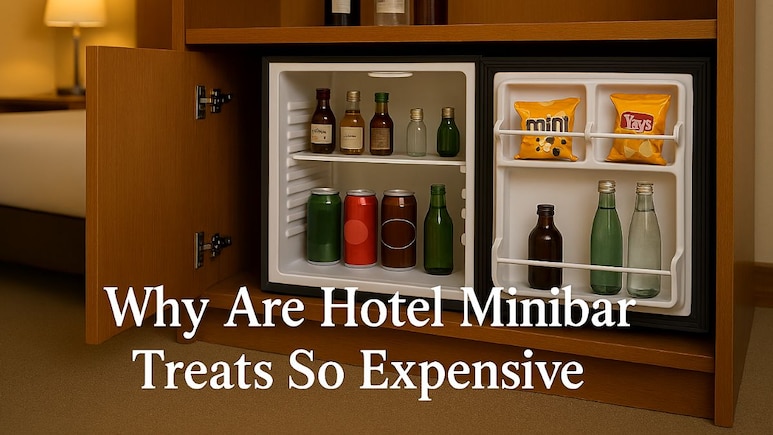
Hotel Minibar Prices Hike: You've just checked into a hotel after a long day of travel. You open the minibar, and there it is - a tiny bottle of soda priced like a gourmet cocktail. A handful of nuts costs more than an entire packet back home. It's a universal truth that hotel minibars are notoriously expensive. But have you ever wondered why? Is it pure profit-making, or is there more behind those sky-high prices? From convenience to psychology, there's a fascinating story behind this hotel staple. Let's dive in and uncover why those little treats come with such a big price tag.
Also Read: 5 Genius Ways To Save Money On Hotels Without Compromising On Comfort
Here Are 5 Reasons Hotel Minibar Prices Are Sky-High:
1. Convenience Comes At A Price
Minibars offer instant access to snacks and drinks without leaving your room or waiting for room service. This level of convenience is highly valued by guests, especially after a long day of travel. Hotels know that when comfort matters most, people are willing to pay extra for a sense of ease. It's a luxury of time and effort, and that luxury comes at a cost.
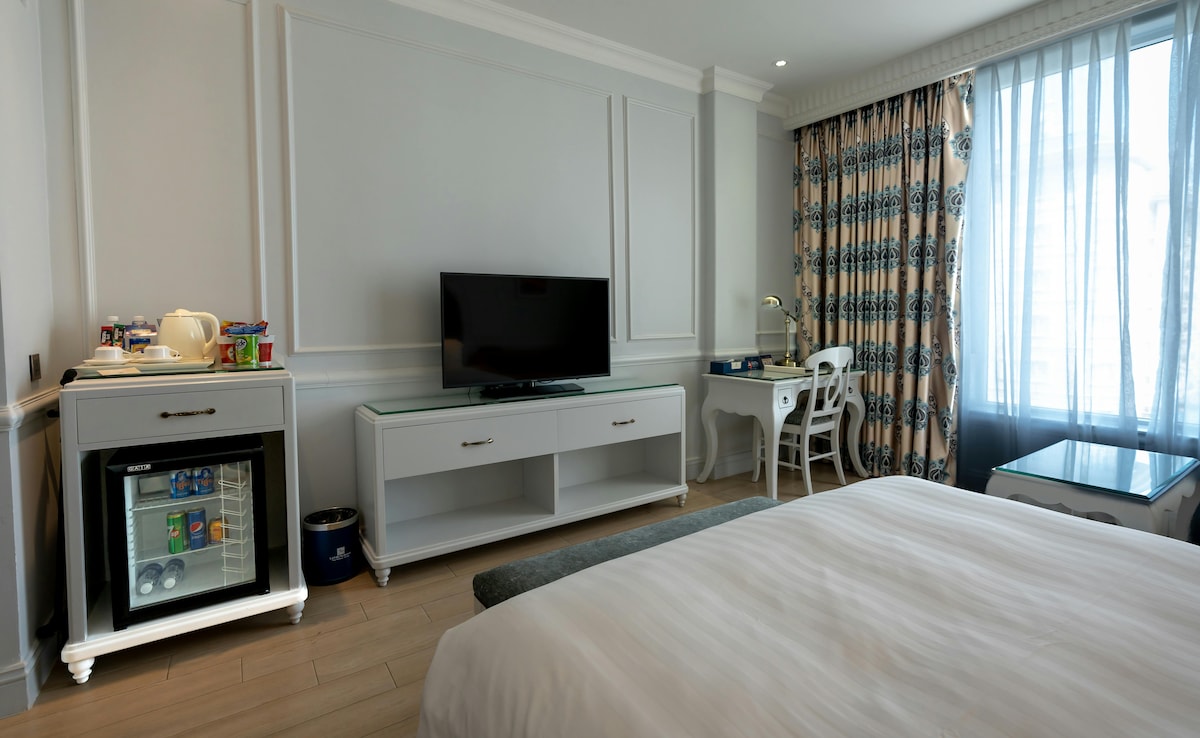
Photo Credit: Pexels
2. High Maintenance Costs
Running a minibar involves more than just stocking items. Hotels must pay for refrigeration, electricity, and regular checks by staff to ensure everything is fresh and accounted for. These operational costs are significant, and they are reflected in the price of every item inside that small fridge. Even the smallest oversight can lead to spoilage, adding to overall expenses.
3. The Holiday Mindset
When guests are away from home, they tend to spend more freely. Hotels understand that travellers are in a relaxed, indulgent mood and less likely to question prices. That is why a chocolate bar that costs Rs 100 outside can easily be priced at Rs 500 in your room - it plays on the psychology of treating yourself. The setting makes the purchase feel special, even if the product isn't.
4. Small Volume, Big Mark-Up
Unlike restaurants or bars, minibars cater to a very limited number of guests. The turnover is low, but the overhead costs remain high. To make them profitable, hotels apply steep mark-ups on each item, ensuring they cover expenses even if only a few products are sold. This pricing strategy keeps minibars viable despite their low demand.
5. Losses And Risks
Minibar items often go missing, expire, or are consumed without being reported. Hotels absorb these losses, and the simplest way to balance the books is by increasing prices. Every overpriced drink or snack helps offset the risk of unpaid or wasted stock. It's a safeguard against unpredictable guest behaviour and spoilage.
Also Read: Why Hotel Check-In Timings Are Almost Always 12 pm Or 2 pm
More Hotel Insights That Will Surprise You:
Why Are Hotel Bedsheets Always White?
Hotels prefer white bedsheets because they symbolise cleanliness and luxury. White makes it easy to spot stains, ensuring high hygiene standards. It also creates a sense of uniformity and calm, making rooms look brighter and more inviting.
Why Do Hotel Rooms Never Have Ceiling Fans?
Most hotels avoid ceiling fans for safety and design reasons. Fans can pose a risk in rooms with low ceilings and may interfere with modern lighting or decor. Additionally, hotels rely on centralised air conditioning for consistent temperature control, which eliminates the need for fans.
Why Hotel Check-In Timings Are Almost Always 12 pm Or 2 pm?
Standard check-in times allow hotels enough time to clean and prepare rooms after guests check out, usually by 11 am. This window ensures housekeeping can maintain quality standards without rushing. Afternoon check-ins also align with travel schedules, giving guests time to arrive and settle comfortably.
The next time you see those high minibar prices, remember they are not just about the snacks but the convenience, psychology and costs behind them.
Track Latest News Live on NDTV.com and get news updates from India and around the world


