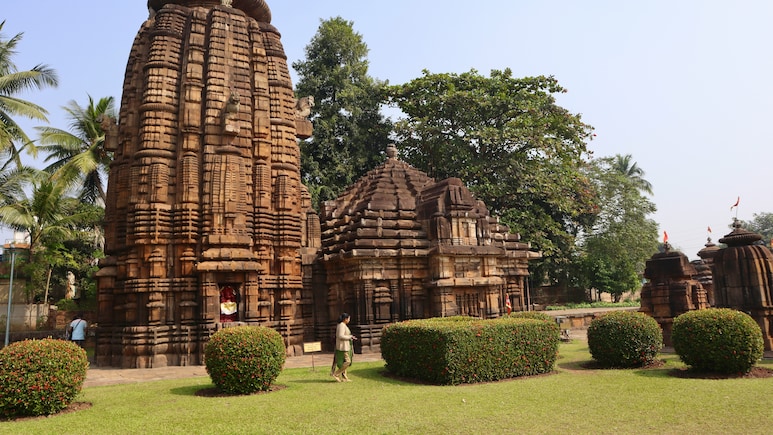
Some cities in India are known for their skylines, others for food or festivals. And then there are places where history rises quietly from stone, where centuries of devotion are etched into walls, spires and courtyards. Travellers arriving in this eastern Indian city often notice something unusual almost immediately - temples are everywhere. Not just one or two historic landmarks, but dozens, scattered across neighbourhoods, riverbanks and old quarters, each with its own story, rhythm and ritual.
Long before guidebooks and tourism campaigns popularised it, pilgrims were already walking these streets, moving from one shrine to another as part of daily life. Over time, the density of sacred architecture became inseparable from the city's identity. Today, visitors don't just come here to tick monuments off a list; they come to experience a living temple culture that continues much as it did centuries ago. Let's find out which city it is.
Also Read: Why April Is The Perfect Time To Visit Yumthang Valley In Sikkim
Why Bhubaneswar Is Called The Temple City Of India
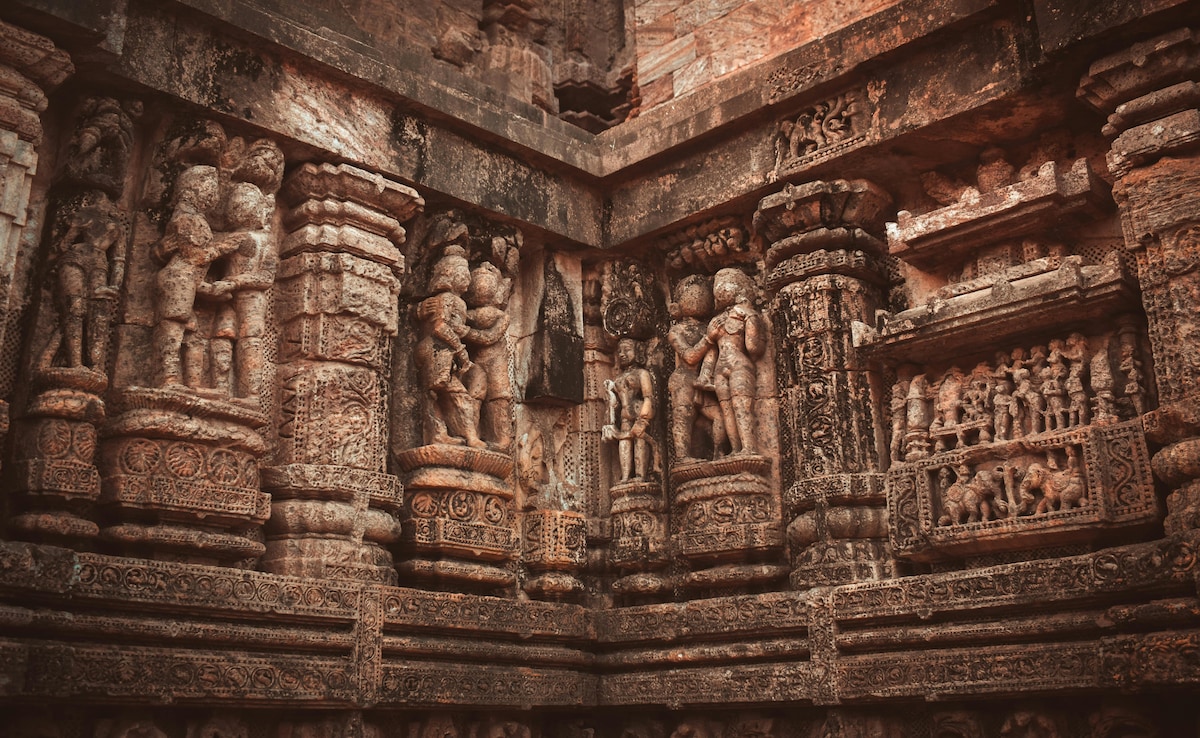
Photo: Pexels
Bhubaneswar's title is not honorary or symbolic - it is grounded in numbers, history and living practice. The city once had over 2,000 temples, constructed across different dynasties, faiths and centuries. While time has claimed many of them, more than 700 temples survive today, giving Bhubaneswar one of the highest concentrations of temples in India.
What makes this remarkable is how naturally these structures exist within the city. Temples are not confined to fenced heritage zones. Instead, they appear:
- Along busy streets and residential lanes
- Beside water tanks and marketplaces
- In clusters that still function as neighbourhood prayer centres
Most of Bhubaneswar's temples follow the Kalinga architectural style, a form that evolved in Odisha and is distinguished by tall curving towers, richly carved stone panels and strict symbolic geometry. Over centuries, this architectural language came to define the city's visual identity, making temples its most recognisable landmarks.
The Lingraj Temple And The Spiritual Core Of The City
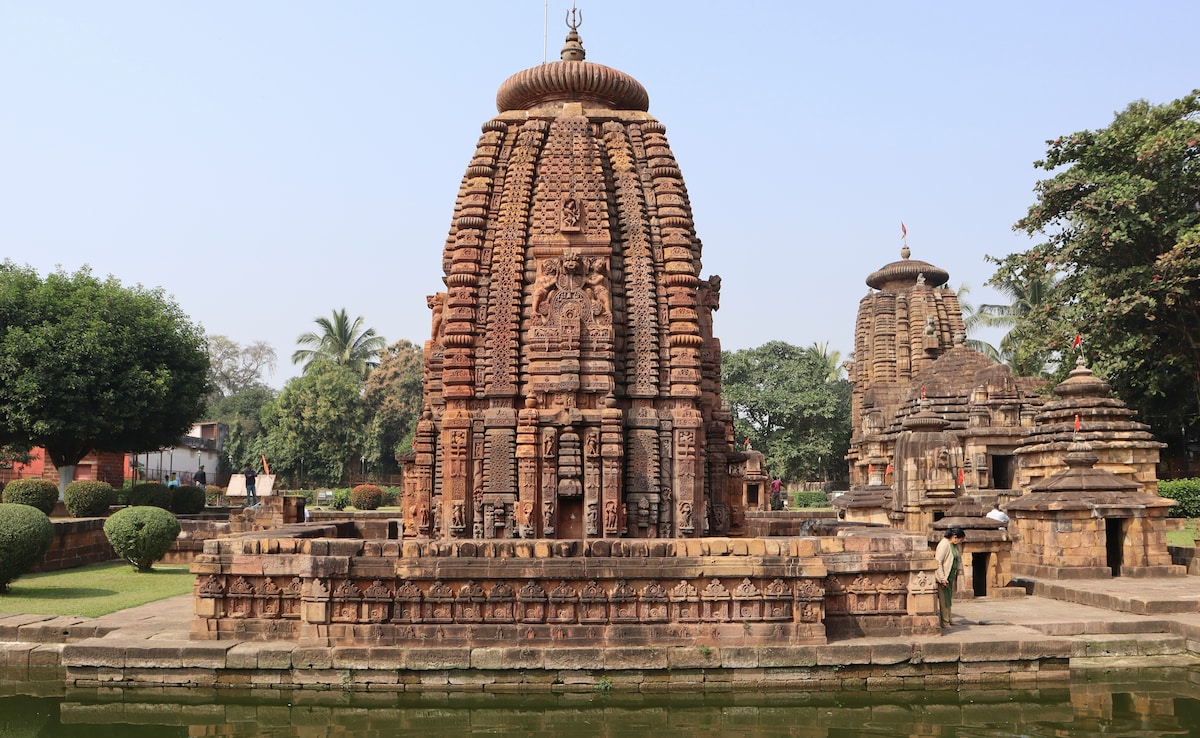
Photo: Unsplash
At the heart of Bhubaneswar's sacred landscape stands the Lingraj Temple, both geographically and spiritually. Dedicated to Lord Shiva, the temple dates back over a thousand years and continues to be one of the most important active shrines in eastern India.
Lingraj is not just a monument - it sets the rhythm of the old city. Around it:
- Priests, devotees and flower sellers create a constant flow of movement
- Rituals begin before dawn and continue through the day
- Smaller shrines form a sacred ecosystem around the main temple
For travellers, visiting Lingraj is less about observation and more about immersion. The sound of bells, the scent of incense and the sight of rituals unfolding in real time make it clear that Bhubaneswar's temple culture is not frozen in history.
How Temples Shape Everyday Travel Experiences
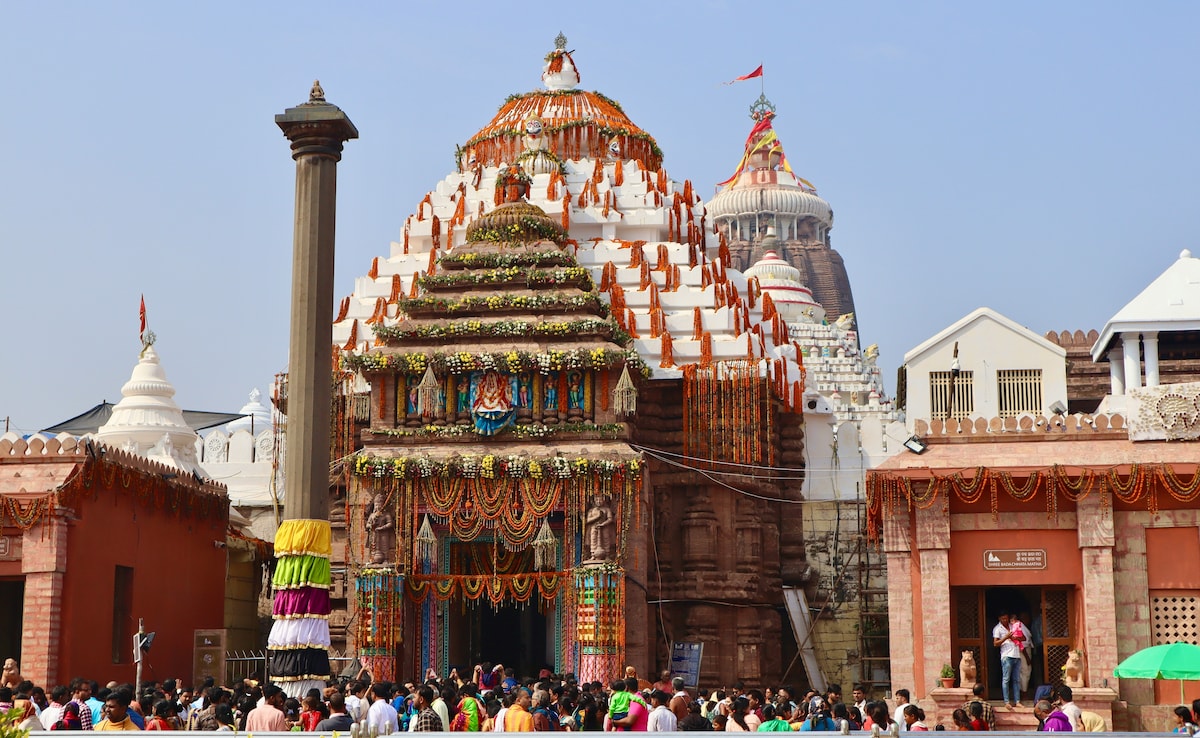
Photo: Unsplash
Bhubaneswar's identity as the Temple City extends far beyond its major shrines. Temple life quietly influences how the city eats, moves and celebrates.
Travellers quickly notice:
- Morning prayers that spill into streets and markets
- Flower sellers and lamp makers forming part of the daily economy
- Festivals that transform entire neighbourhoods into ritual spaces
Local cuisine also reflects temple traditions, especially in Odia food, where ingredients, preparation styles and serving methods have roots in religious practice. Unlike destinations tailored almost exclusively for visitors, Bhubaneswar retains a sense of authenticity because its temples are integrated into life rather than staged for tourism.
Also Read: Which Country Is Known As The 'Land Of Fire And Ice'?
A City That Carries Devotion Into The Present
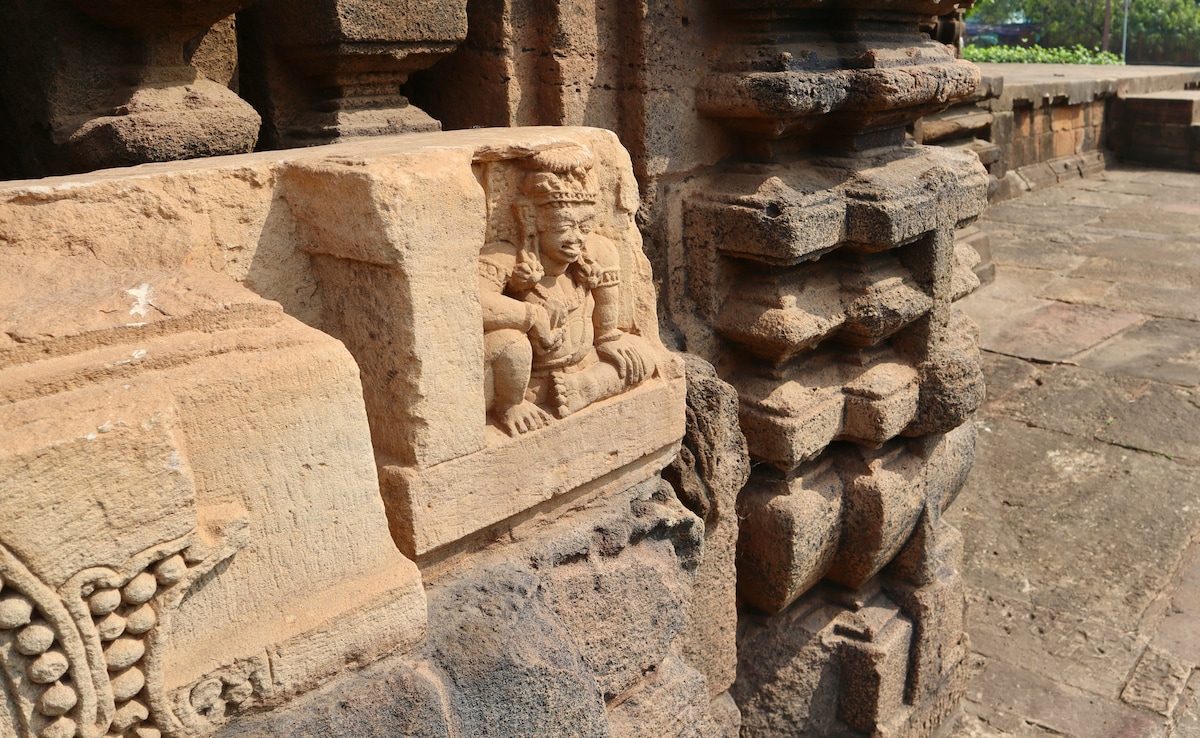
Photo: Unsplash
Despite being a growing state capital with modern infrastructure, Bhubaneswar has managed to preserve its ancient core. Contemporary buildings exist alongside stone shrines that have witnessed centuries of change. This coexistence gives the city a rare balance — forward‑looking yet deeply rooted.
Calling Bhubaneswar the Temple City of India is not about a single landmark or era. It reflects the way faith shaped the city's form, flow and identity over time. For travellers, the experience goes beyond visiting temples - it lies in understanding how a city grew around devotion, and how that devotion continues to define it today.
Track Latest News Live on NDTV.com and get news updates from India and around the world


