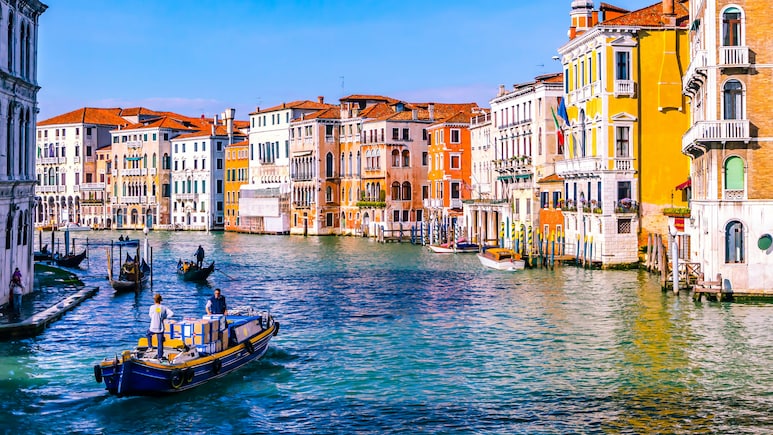
There is a city in the world where the roads are water, the traffic is gondolas, and getting wonderfully lost is basically the whole point of being there. No cars. No bicycles. No honking. Just the sound of water lapping against ancient stone, the distant echo of church bells, and the unhurried rhythm of a city that has been doing things its own way for over a thousand years. That city is Venice, and it has earned its title as the City of Canals fair and square. For Indian travellers who dream of Europe, Venice is often near the top of the bucket list, and for good reason. It is simply unlike anywhere else on earth.
So, Which City Is the City of Canals?
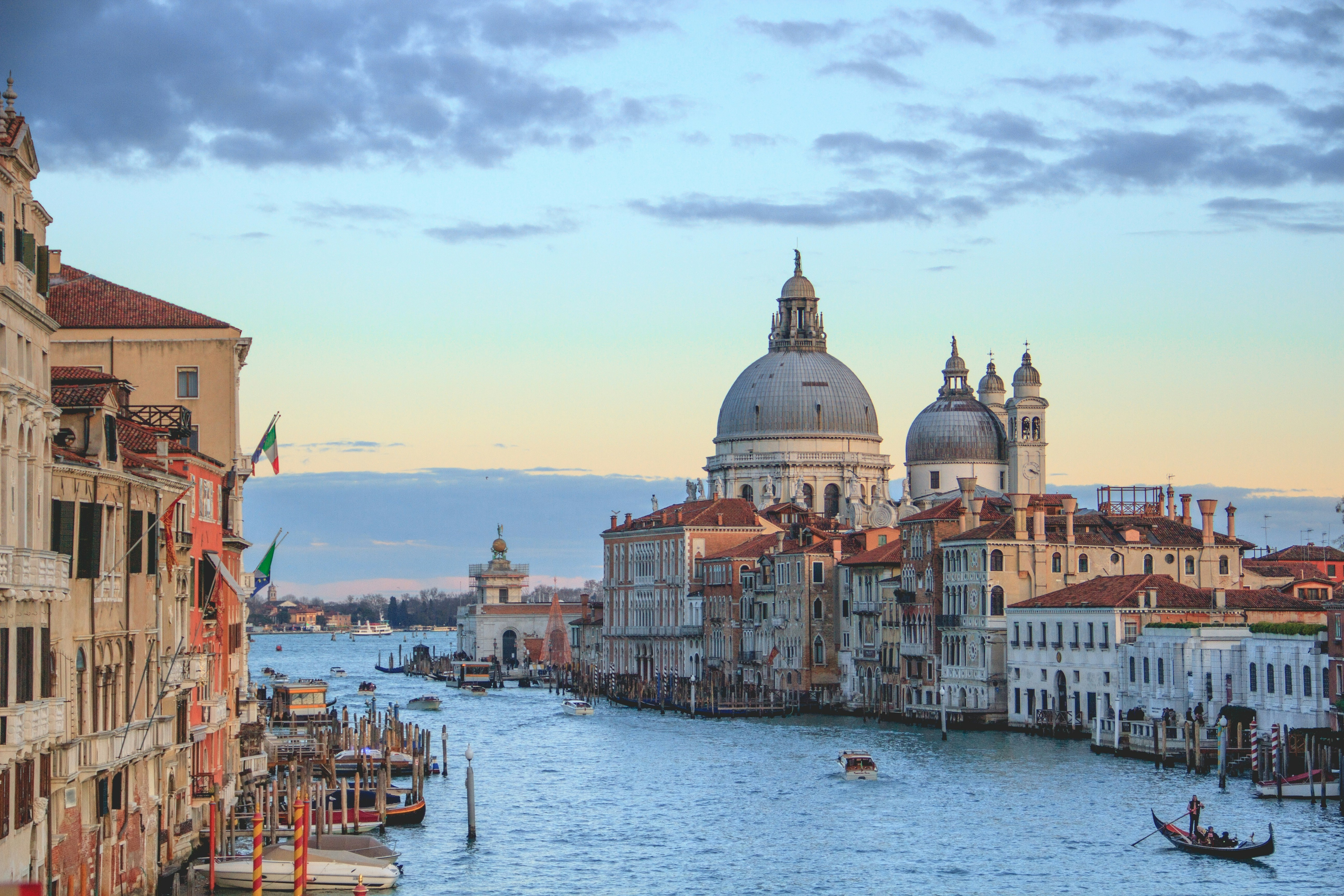
The answer is Venice, Italy, and the title fits so completely that no other city really comes close. Located in the Venetian Lagoon in northeastern Italy, this historic city is built across 118 small islands connected by over 150 canals and more than 400 bridges. That is not a travel brochure exaggeration. It is a geographical fact that still manages to feel unbelievable the first time you actually see it.
-

-
 "US Protecting Its Interest": S Jaishankar On Trump's Oil Deal With Russia
 -
 S Jaishankar's 'Indira' Reminder After Rahul Gandhi's Marco Rubio Jibe
 -
 Best Of NDTV World Summit 2026 | Defining Conversations, Big Ideas
 -
 PM Modi Says 'Parasite' Congress Hurts 'Honest' Dissent Movements
 -
 "Some Dreaming Of Disorder": PM Modi's Dig At Rahul Gandhi
 -
 "World That Relied On India's Brainpower Now Trusts Its Mindpower": PM Modi
 -
 Non-Oil Trade With India Went Up 50% In 3 Years: UAE Minister At NDTV Summit
 -
 "Some Dreaming Of Disorder": PM's "Failed Product Of Congress" Jibe At Rahul Gandhi
 -
 'Viksit Bharat Not Just For Us': PM Modi's Top Quotes At NDTV World Summit
 -
 Has Indian Cuisine Arrived At The Global Stage? What Vir Sanghvi Believes
Unlike modern cities, Venice relies entirely on water-based transport, making its canals the lifelines of daily life. There is no metro, no auto-rickshaw, no city bus. If you want to get somewhere in Venice, you either walk or you get on the water. That alone makes it one of the most extraordinary urban environments in the world.
Venice is known by names like "City of Canals," "City of Masks," "City of Water," "City of Bridges," and "The Sinking City." Each of those nicknames tells you something true about the place. But it is the canals, above all else, that define it.
A Brief History: How Did Venice Even Happen?
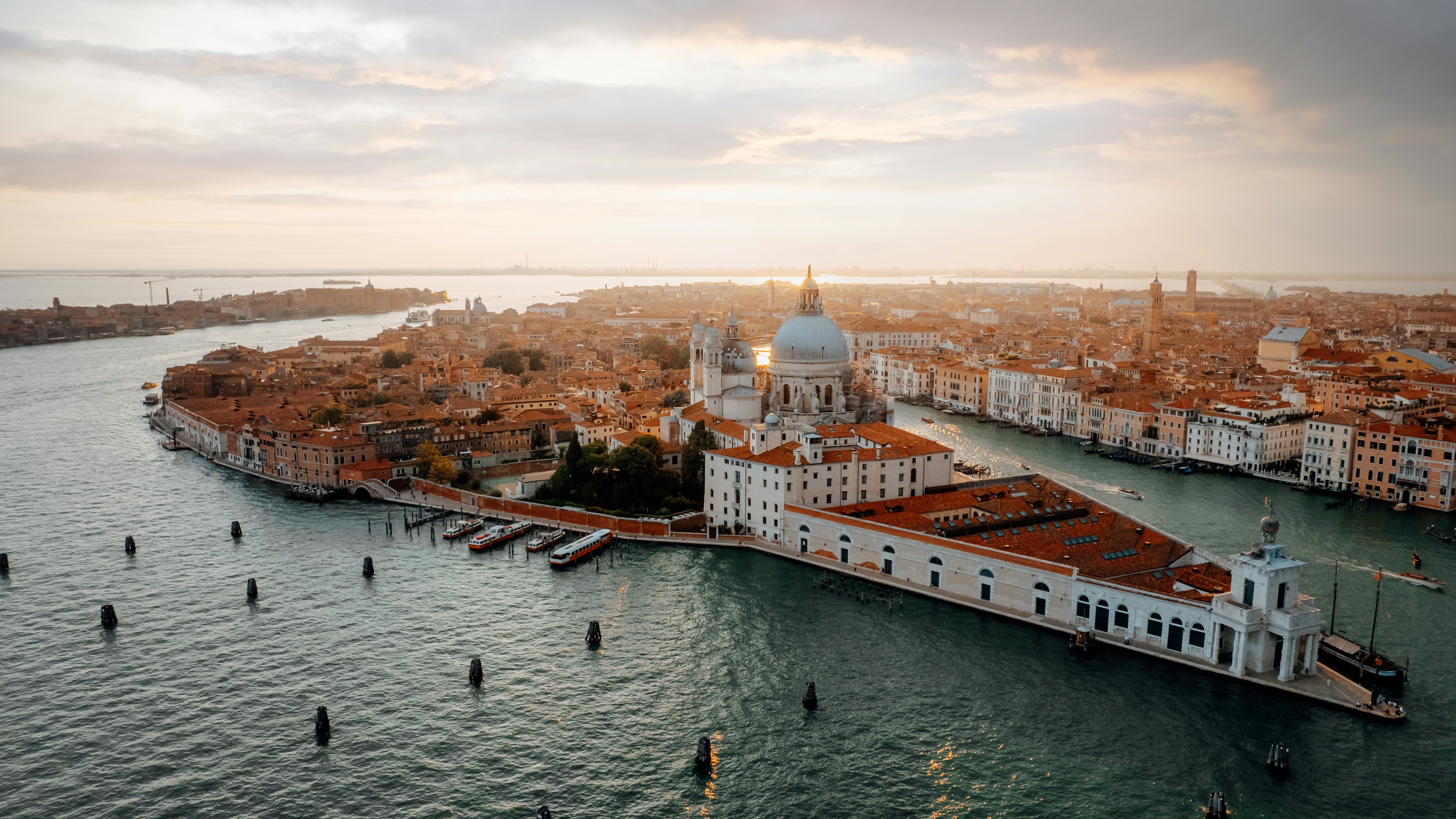
The story of Venice begins with fear, not ambition. In the 5th century, people fled invasions and settled in the marshy lagoon for safety. Over time, they transformed this challenging landscape into a thriving city by driving millions of wooden piles into the soft ground. Imagine an entire city built by refugees who chose a swampy lagoon as their refuge. They had no grand plan, just a need to survive. What they created became one of history's most celebrated cities.
As Venice developed, natural gaps between islands became canals, essential for transport, trade, and communication. The city grew into a powerful maritime republic, controlling trade routes between Europe and Asia for centuries. The wealth from these canals funded the extraordinary palaces, churches, and art seen today.
Venice is built on millions of wooden piles, an upside-down forest. Submerged in the lagoon's low-oxygen environment, these piles hardened over centuries and still support the city. The engineering is remarkable, especially for the early medieval period.
Today, Venice's canals symbolise its cultural and historical identity, earning UNESCO World Heritage status. However, Venice is gradually sinking due to natural subsidence and rising sea levels, making it vulnerable to seasonal flooding known as Acqua Alta.
The Grand Canal: Venice's Main Road
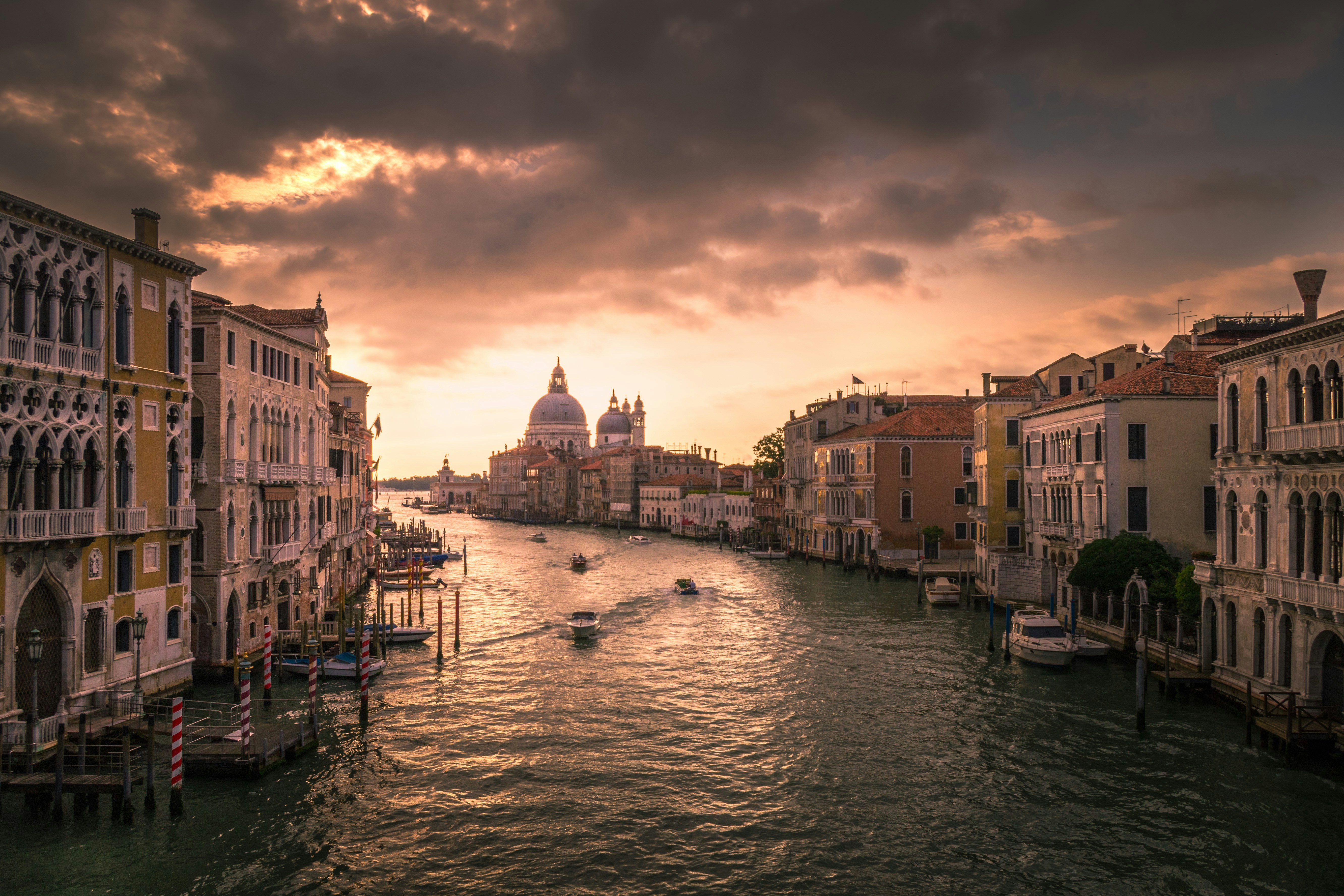
Every city has a main road, but in Venice, it's water. The Grand Canal, the city's main waterway, forms a sweeping S-curve and stretches about 3.8 kilometres, connecting major parts of the city. It's the busiest transport route, with a depth of around 5 metres and four major bridges: Ponte di Rialto, Ponte dell'Accademia, Ponte degli Scalzi, and Ponte della Costituzione. Lined with extraordinary palaces and buildings, many centuries old, the canal showcases a warm palette of terracotta, ochre, and faded rose. Instead of cars, Venice relies on gondolas, vaporettos, and water taxis, making it a car-free city.
What to See in Venice
Venice is compact enough to explore mostly on foot, but rich enough in sights that you could spend a week there and still feel like you have missed things. Here is where to focus your time.
Piazza San Marco (St. Mark's Square)
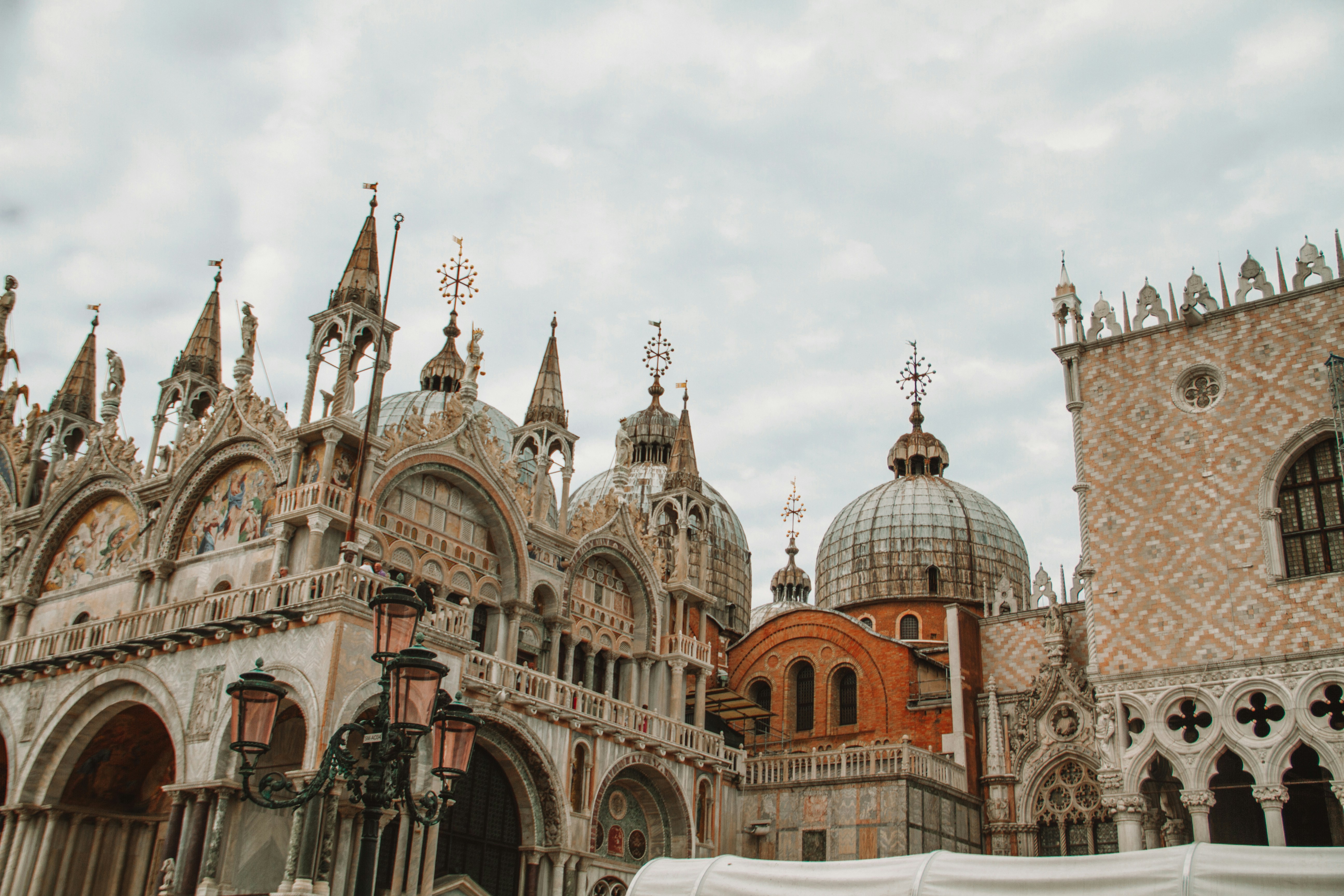
All roads and canals in Venice converge at St. Mark's Square, renowned worldwide. This cultural heart features the Byzantine-inspired St. Mark's Basilica, adorned with gold mosaics and an otherworldly grandeur, and the Doge's Palace, once the Venetian Republic's government seat, equally impressive inside and out. Nearby, St. Mark's Clock Tower and Campanile stand. The Campanile, originally built in 1514 and rebuilt in 1912 after a 1902 collapse, offers breathtaking views from 98 metres. A lift ride to the top is a must, promising an unforgettable experience.
The Rialto Bridge
The Rialto Bridge was built in 1591 as a modernised version of the original wooden bridge that collapsed in 1524. Nowadays, the bridge is absolutely packed with souvenir shops. It is one of the most photographed spots in Venice. Walk across it at sunrise before the crowds arrive, and it feels almost magical. The Rialto Market nearby is also worth a visit, a noisy, colourful bazaar selling fresh seafood and produce that has been feeding Venetians for centuries.
The Bridge of Sighs
Around St. Mark's Square is the Bridge of Sighs, connected to the Doge's Palace and an absolute must-see. Rumour has it that prisoners would pass over the bridge and that the views off it provided their last views over the city, thus leading them to emit one last sigh before continuing on. This is how the bridge got its name. It is a beautiful, haunting little piece of history.
Santa Maria della Salute
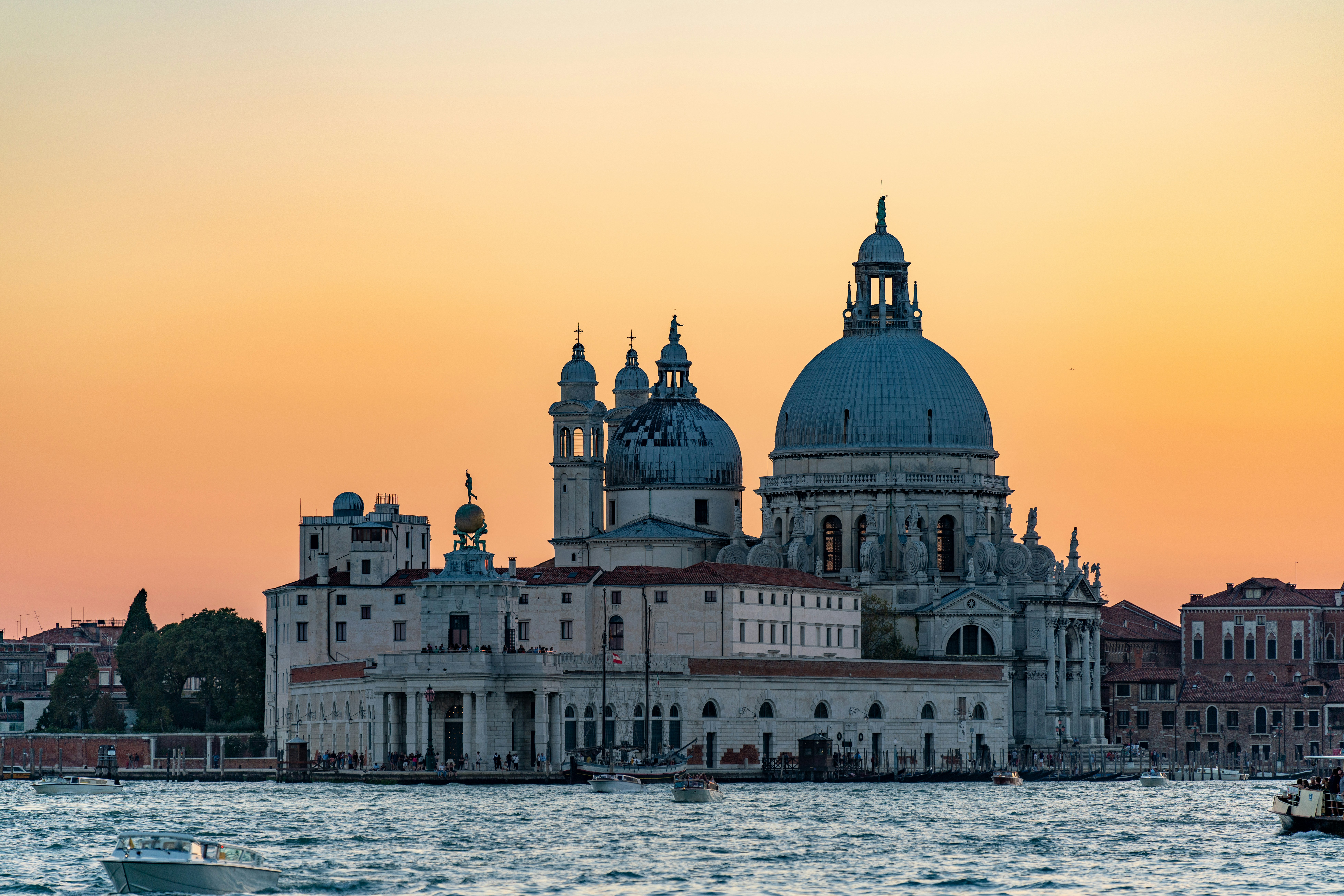
This majestic, baroque church proudly stands at the entrance to the Grand Canal. Climb its dome for one of the most breathtaking panoramic views of Venice's skyline. This church was dedicated to the Virgin Mary in the mid-1600s during a period in which the plague was wreaking havoc amongst the population of the city.
Murano and Burano Islands
Do not skip these. Since the early 10th century, Murano Island has been known for its glasswork. You can tour the current glass factories, watch glass-blowing shows, and participate in a glass-blowing workshop yourself. Burano is the other island worth visiting, covered in brilliantly coloured houses and famous for its intricate lacework. A half-day tour here consists of culture, shopping, and photogenic beauty. The boat ride over on the vaporetto is also a pleasure in itself.
The Peggy Guggenheim Collection
A modern art lover's utopia, the museum boasts works by Picasso, Pollock, and Dalí, right on the Grand Canal, and is a peaceful haven amidst works of modern masters. If you have any interest in 20th-century art, this is not to be missed.
The Gondola: Romance, Tradition, and Yes, a Bit of Tourist Theatre
You cannot talk about Venice without talking about gondolas. In the old days, gondolas were the only way to get around. Even though it is mostly touristy now, trips along the canals are one of the main activities for visitors in the city. The gondoliers in their striped shirts and hats with musicians on the boat is truly an amazing experience.
All gondolas are painted black, following a centuries-old rule introduced to prevent excessive decoration. That small detail says a lot about how seriously Venetians take their traditions. Yes, a gondola ride is touristy. But it is also one of those experiences that delivers exactly what it promises. Being taken slowly through the narrow back canals of Venice, looking up at ancient buildings on either side, is something you will remember for a long time.
Things to Eat in Venice
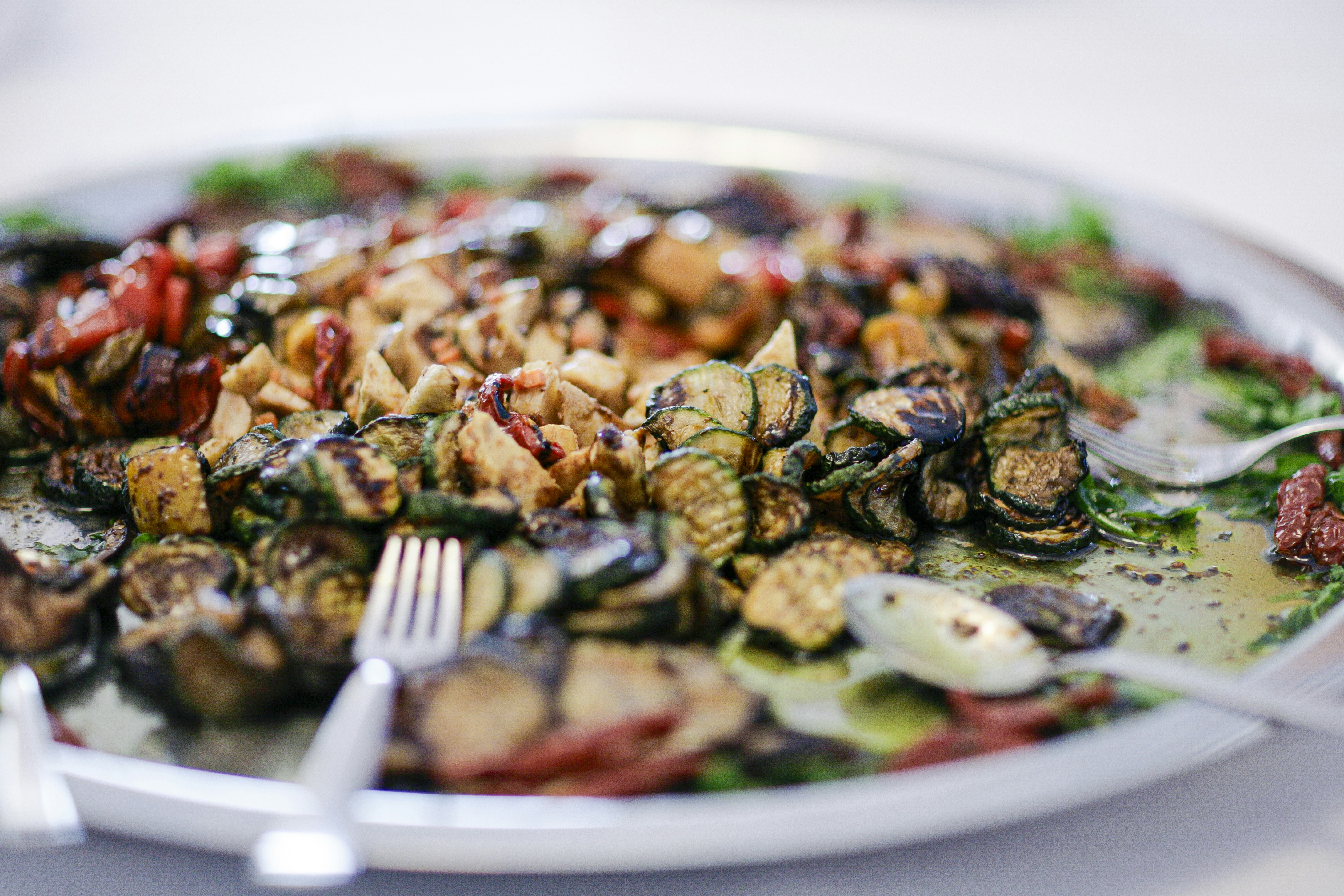
Venetian food is its own distinct chapter in Italian cuisine. The city's position on the sea means seafood dominates. Look out for cicchetti, small bites served in bacari (wine bars), similar to Spanish tapas. Fresh seafood, creamy risotto, and of course, tiramisù, which was invented not far from Venice, are all worth trying. The Rialto Market is the best place to see what is fresh and seasonal.
Rules to Know Before You Go
Venice enforces strict tourist rules: eating or drinking on public surfaces is banned, bicycles are prohibited, and swimming in canals is forbidden. Feeding pigeons or seagulls is illegal, with fines from €25 to €500. Day visitors on peak days must pay €5 to €10 and pre-register online. Overnight guests and exemptions exist, so check the latest requirements before visiting.
Best time to visit: April to June and September to October give you pleasant weather and slightly thinner crowds. July and August are genuinely crowded and hot. Winter has a moody, atmospheric quality that many travellers love, though Acqua Alta flooding is more common then.
Getting there from India: There are no direct flights from India to Venice (Marco Polo Airport) currently, but connections through Rome, Milan, Frankfurt, Dubai, or Istanbul are easy and frequent.
Getting around: There are two signs that you need to be your guide for the city: one pointing to the Rialto Bridge and the other to Piazza San Marco. Look for these signs and follow the crowds. Leave your maps and guidebooks at home. Venice is perfect for getting lost. That advice is not ironic. Half the joy of Venice is wandering into an alley that is not on any map and finding something beautiful.
The City Of Canals
Venice is the sort of place that sounds too good to be true until you actually stand in it, and then it exceeds every expectation. The city appears to float on water, a marvel of engineering and human tenacity that has endured for over a millennium. It is simultaneously a living city where real people go about real lives, and a museum of human achievement on a scale that is difficult to fully absorb. For Indian travellers, it offers something that very few destinations can: a complete departure from everything familiar, wrapped in beauty so dense it almost feels like a dream. Go once, and you will understand immediately why the world has been falling in love with Venice for centuries.
Track Latest News Live on NDTV.com and get news updates from India and around the world


