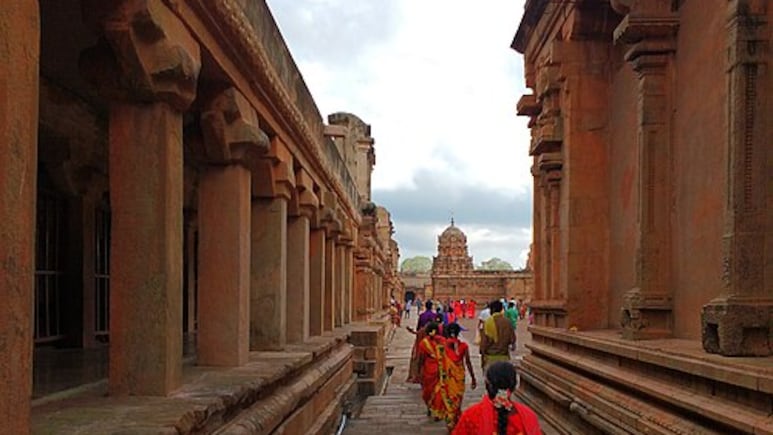
For many temple-goers, parikrama is so familiar that it barely invites a second thought. Yet walking around the sanctum is one of Hinduism's most carefully structured rituals, combining philosophy, symbolism and a form of meditative movement.
Known as pradakshina, it involves walking clockwise around a deity or sacred space while keeping it on one's right. The practice is not limited to the inner sanctum. It is performed around sacred fires, Tulsi and Peepal trees and even entire pilgrimage circuits, including Ayodhya's Panchkosi Parikrama and the path along the Narmada.
According to Hinduism Today, pradakshina is among the traditional offerings associated with puja.
God At The Centre, Devotee In Orbit
The meaning is embedded in the word. Pradakshina is commonly understood as moving forward while keeping the sacred on the right, a side traditionally associated with honour and auspiciousness.
The sanctum represents the unmoving centre of reality, while the devotee circles it like a planet around the sun. Completing the circle expresses the idea that life, time and karma move in cycles, but the divine centre remains unchanged.
An explanation published by ISKCON Desire Tree cites Adi Shankaracharya as describing "real pradakshina" as meditation upon countless universes revolving around the unmoving Lord. The walk becomes a physical acknowledgement that the individual ego is not the centre of existence.
Also Read: Kailash Parikrama Explained: Why Pilgrims Take A 3-Day Trek Around Kailash During The Yatra
A Designed Walking Meditation
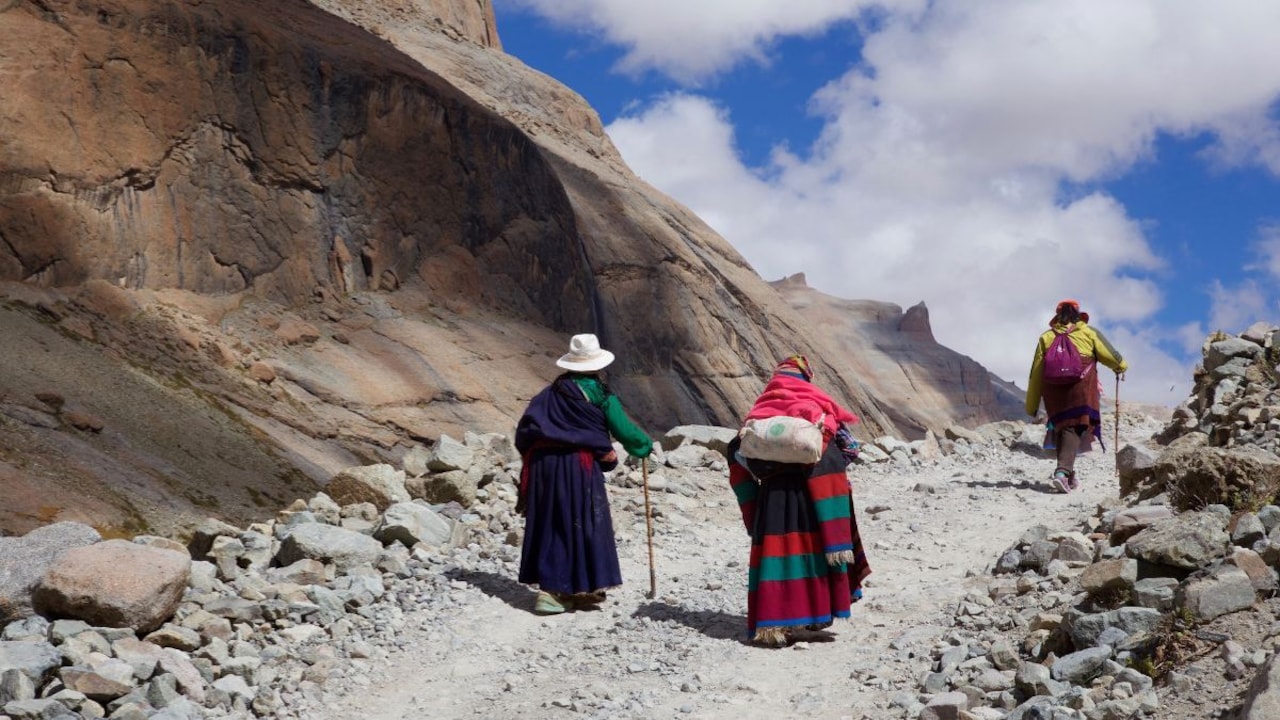
Parikrama also has a quieter psychological dimension. Slow, repetitive movement, often accompanied by silent prayer or a mantra, can bring attention back to the breath, the body and each step.
The narrow circular passage around the sanctum directs the devotee along an uninterrupted path. Bells, incense, chanting and low lighting further reduce everyday distractions and encourage a contemplative state.
The Mayo Clinic notes that regular walking can reduce stress and anxiety while improving mood, memory and sleep. A few rounds of a temple may not equal sustained exercise, but the combination of rhythmic movement and focused attention can still help create calm.
What About The 'Energy' Explanation?
Contemporary spiritual writers often describe temples as energy centres and claim that walking barefoot around the sanctum allows devotees to absorb positive energy. The Isha Foundation links clockwise circumambulation to what it describes as natural energy patterns.
Such electromagnetic or bio-magnetic claims have not been established by rigorous scientific research. But beneath that modern language lies an observable experience: gentle movement, sensory focus and a structured pause from the outside world.
Parikrama is therefore more than walking in circles. It places the divine at the centre, moves the devotee around it and leaves the ego, symbolically, on the outside.
Track Latest News Live on NDTV.com and get news updates from India and around the world


