Japan is one of the world's most enchanting destinations - where tea ceremonies coexist with bullet trains, centuries-old temples rise next to neon skylines, and winter brings everything from snow-covered villages to steaming hot springs towns. At the same time, the country sits along the Pacific Ring of Fire, making earthquakes a natural part of its landscape. For travellers, understanding this context is essential, not to diminish excitement, but to travel smarter and more confidently.
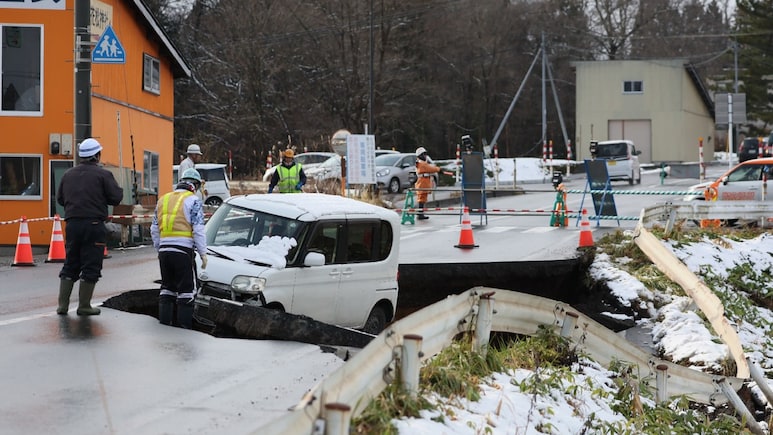
This week's events offered a reminder of Japan's seismic reality. A 7.5-magnitude earthquake struck late Monday night off the coast of Aomori, prompting brief tsunami warnings and disruption along the Pacific shoreline. At least 33 people were injured, mostly due to falling objects, according to the Fire and Disaster Management Agency. Authorities are currently assessing the scale of damage and urging both residents and visitors to remain alert to aftershocks in the coming days.
For anyone already travelling in Japan - or planning to - here is what you need to know to stay safe and navigate the country responsibly.
Why Japan Experiences Frequent Earthquakes
Japan's geography is unique: the archipelago sits at the meeting point of several tectonic plates, including the Pacific Plate, which subducts beneath the plate supporting Japan. This ongoing movement generates frequent seismic activity.
Because of this, Japan has developed some of the most advanced earthquake-resistant infrastructure in the world, from flexible skyscrapers that sway safely to deep foundations designed to absorb shocks. Early warning technology and community preparedness further reduce risk, making Japan one of the safest earthquake-prone countries to travel in.
Should Tourists Be Concerned In Japan?
Japan remains extremely welcoming and safe for visitors. In the first quarter of 2025 alone, the country recorded 10.54 million foreign arrivals, highlighting its global appeal. Earthquakes do occur regularly, but most are minor. Even during stronger quakes, Japan's building codes, public awareness and rapid emergency responses greatly limit harm. Travellers mainly need awareness rather than fear.
Earthquake Preparedness: What Every Traveller Should Know
1. Set Up Earthquake Alerts On Your Phone Before You Even Land
Most Indian travellers land in Japan with international roaming but do not activate emergency alerts. The Japanese warning system pushes automatic notifications in English, but only if emergency alerts and location services are switched on. Do this at the airport itself. It gives you precious seconds before strong shaking begins.
2. Always Keep Your Hotel Key Card And Passport On You
In Japan, even mild tremors can trigger temporary evacuation or automatic shutdowns of lifts and corridors. If you rush out without your key card or passport, you may be stranded outside for hours. Indian travellers often leave documents in room safes. During earthquakes, that habit becomes a liability.
3. Public Transport Will Stop Instantly, Even If The Quake Is Minor
Trains, metros and bullet trains halt automatically the moment seismic sensors trigger. For travellers used to delays but not complete shutdowns, this may come as a shock. Do not panic, book taxis immediately. Wait for official transport updates at stations or through hotel desks. Services often resume faster than expected.
4. Know Your Evacuation Point Like You Know Your Hotel Address
Every Japanese neighbourhood has a fixed evacuation area, usually a school or park. Ask your hotel at check-in where your nearest evacuation point is. If power fails and GPS drops, this one piece of local knowledge matters more than any app. Follow on-site instructions from hotel staff, who are trained in disaster protocols.
5. Know How To Navigate Convenience Stores And Vending Machines
Convenience stores (7-Eleven, Lawson, FamilyMart) operate through most disasters and become crucial safe hubs. The stores remain open even if trains stop or roads close. You can buy warm food, water, power banks, and first-aid supplies.
Many konbinis have free Wi-Fi, letting you call family in India when the networks are slow. Some stores and major vending-machine networks switch to emergency mode, dispensing free water in affected areas. Japan's disaster culture integrates daily life with preparedness, so locals often head to konbini first.
6. Follow Japan's Tsunami Signage
In Japan, coastal areas display yellow and blue tsunami evacuation signs on every street. Follow arrows towards taller buildings or hillside evacuation towers. These signs indicate not just direction, but also elevation metres, so you can judge whether your hotel floor is safe.
Avoid beaches immediately after any strong quake. Japan's evacuation pathways are extremely precise, and following them is the safest strategy.
7. Learn Basic Japanese Emergency Phrases
Japanese people are extremely helpful during disasters, but many may hesitate to speak English. Knowing a few key phrases can make evacuation smoother for Indian travellers:
- "Jishin desu ka?" - Is this an earthquake?
- "Doko ni nigereba ii desu ka?" - Where should I evacuate?
- "Tsunami no hinanjo wa doko desu ka?" - Where is the tsunami shelter?
- "Eigo no an'nai wa arimasu ka?" - Is there information in English?
Locals often physically guide foreign tourists once communication is clear - something very helpful in busy areas like Shibuya, Osaka Umeda or Kyoto Station.
Travel Disruptions: What To Expect
- Shinkansen (bullet train) delays or suspended services are common after major quakes
- Some hotels may temporarily lose electricity or water
- Domestic flights may face delays depending on runway inspections
- Local trains often run at reduced speeds while safety checks are carried out
Before travelling, verify:
- Any advisories from the Japan National Tourism Organisation
- Railway updates from JR (Japan Railways)
- Whether your travel insurance covers natural disasters
- If your itinerary has flexibility, consider briefly re-routing to unaffected cities depending on the region impacted.
Japan's Strength: Preparedness And Reliability
Despite its seismic activity, Japan remains one of the safest places to visit due to its efficiency, preparedness and calm public response. Earthquakes rarely cause long-term disruption to tourism, and Japan's recovery systems are impressively swift. For travellers, the key is to stay informed, remain flexible and follow the country's well-established safety guidance.
Track Latest News Live on NDTV.com and get news updates from India and around the world


