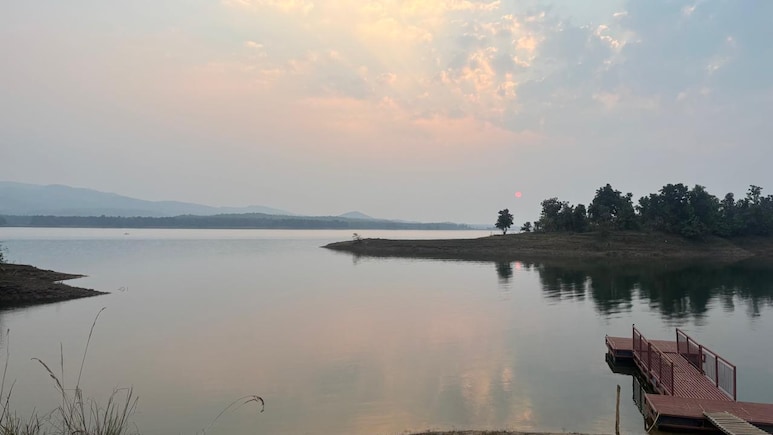
When I was around five or six, my parents would take me to Chhatbir Zoo in Chandigarh. I was fascinated by animals, and somewhere between those childhood visits and growing up watching The Lion King and other animated films, I developed a rather romantic idea of the wild.
But there was one thing I had never done: gone on a safari.
That changed in January this year, when I travelled to Madhya Pradesh for my first-ever safari in Satpura Tiger Reserve. I had the usual expectations. I wanted to see a tiger, of course. I wanted to see as many animals as possible, take photographs and return with stories that sounded straight out of a wildlife documentary.
What I didn't expect was that the forest would make me slow down and look at everything else.
Entering Satpura
I flew from Delhi to Bhopal and then drove for a couple of hours towards Satpura. The landscape gradually changed as the city disappeared behind us and the road opened up to stretches of forest and countryside. Our base was Denwa Backwater Escape by Pugdundee Safaris, located beside the Denwa backwaters in the Madhai area.
The lodge is spread across a forested setting overlooking the backwaters, with cottages, treehouses and plenty of open space. It is secluded without feeling isolated, and the staff were exceptionally warm throughout our stay. But I was not there to spend three days sitting by the pool. I had come for the forest.
And the next morning, I finally got my chance.
My first safari began with a boat ride
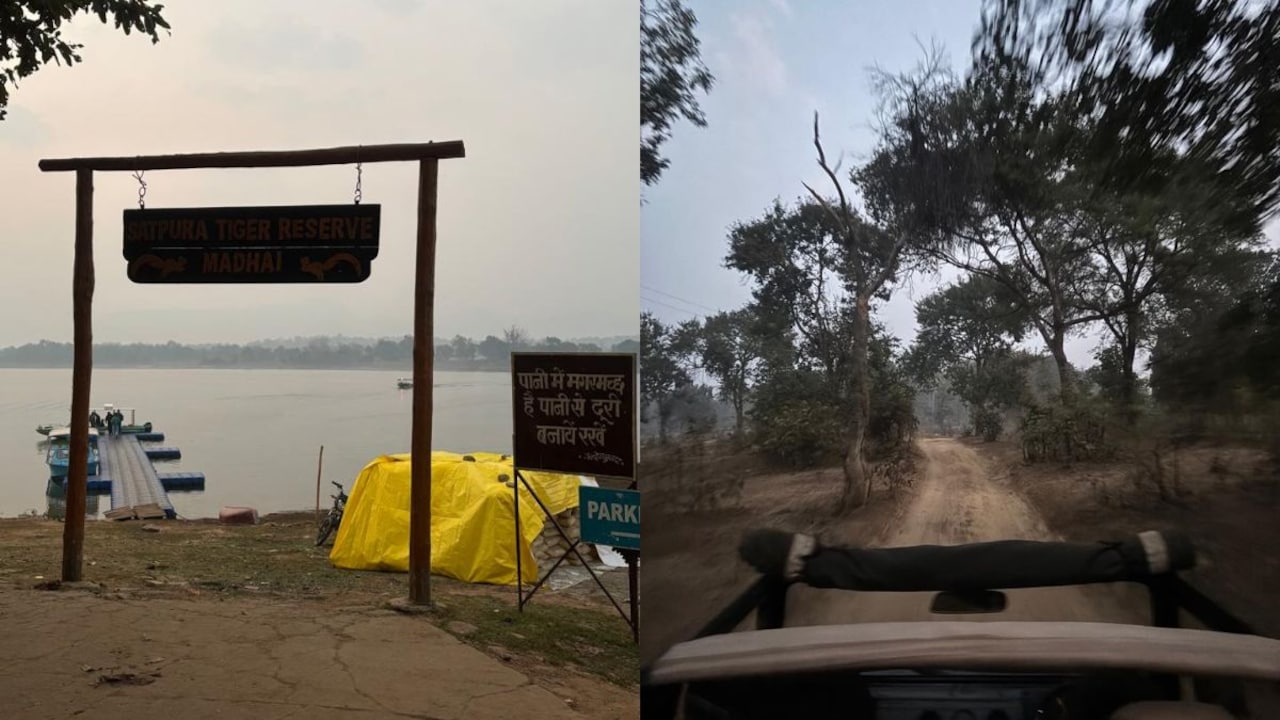
Satpura Tiger Reserve. (Photo: Author)
Satpura is not quite the safari experience I had imagined. In winter, reaching the Madhai side of the reserve involves crossing the Denwa by boat before continuing into the forest in a safari vehicle. The combination of the cold morning air, still water and forest on either side made the journey feel like the beginning of an adventure even before we entered the park.
Once inside, the landscape kept changing. There were stretches of teak and mahua, open grasslands, rocky terrain and water bodies. Satpura's terrain is one of the reasons the reserve feels so different from a straightforward jeep drive through dense forest; there are ravines, hills, gorges and stretches of woodland that reveal something new around every bend.
Our naturalist helped us understand what we were looking at rather than simply pointing out animals. That made a difference because I quickly realised that wildlife spotting is less about knowing where to look and more about learning what the forest is telling you.
And then we started seeing things. I didn't see a tiger, but I saw plenty else. The first thing that struck me was how much wildlife there was beyond the animal I had come expecting to see.
There were spotted deer and sambar, moving through the grasslands and forest clearings. Then came gaur - huge Indian bison that looked almost intimidating when you saw them up close. Some had calves with them, and watching the herd move through the forest was one of those moments when you instinctively stop talking. Then came one of my favourite sightings of the trip: a sloth bear.
We spotted it digging into the ground, completely absorbed in whatever it was looking for. It was most likely searching for termites or other food beneath the soil. I remember sitting there and watching it work, almost oblivious to us.
That was the thing about the safari. There was no guarantee that the next turn would bring a tiger or leopard. But there was always something happening if you paid attention. There were marsh crocodiles near the water, langurs moving through the trees and plenty of smaller creatures that I would probably have missed had our naturalist not pointed them out.
Satpura is home to a wide variety of mammals, including gaur, sloth bears, dholes, leopards, sambar, chital, four-horned antelope and Indian giant squirrels. The reserve is also particularly known for its birdlife.
And for me, the birds became an unexpected highlight.
January turned me into a reluctant birdwatcher. I went to Satpura thinking mostly about mammals. I left talking about birds. January meant we were travelling during the winter season, and the forest and water bodies were full of bird activity. I saw Ruddy Shelduck, owlets and several other birds whose names I have unfortunately forgotten.
There were also birds that I had never really stopped to observe before - including a Paradise flycatcher with its long, delicate tail and a pied kingfisher near the water.
The birdlife here is extensive, with both resident and migratory species making the reserve particularly interesting for birdwatchers. The official reserve information lists species such as Ruddy Shelduck, pied kingfisher, Malabar pied hornbill and several seasonal raptors among its avifauna.
I remember being slightly amused by how quickly the focus of the safari changed. At the beginning, every rustle in the bushes made me wonder if it was a tiger. By the end, I was equally excited about spotting an owl in a tree.
And no, there was no tiger.
I was surprisingly okay with that.
A morning walk showed me a different Satpura
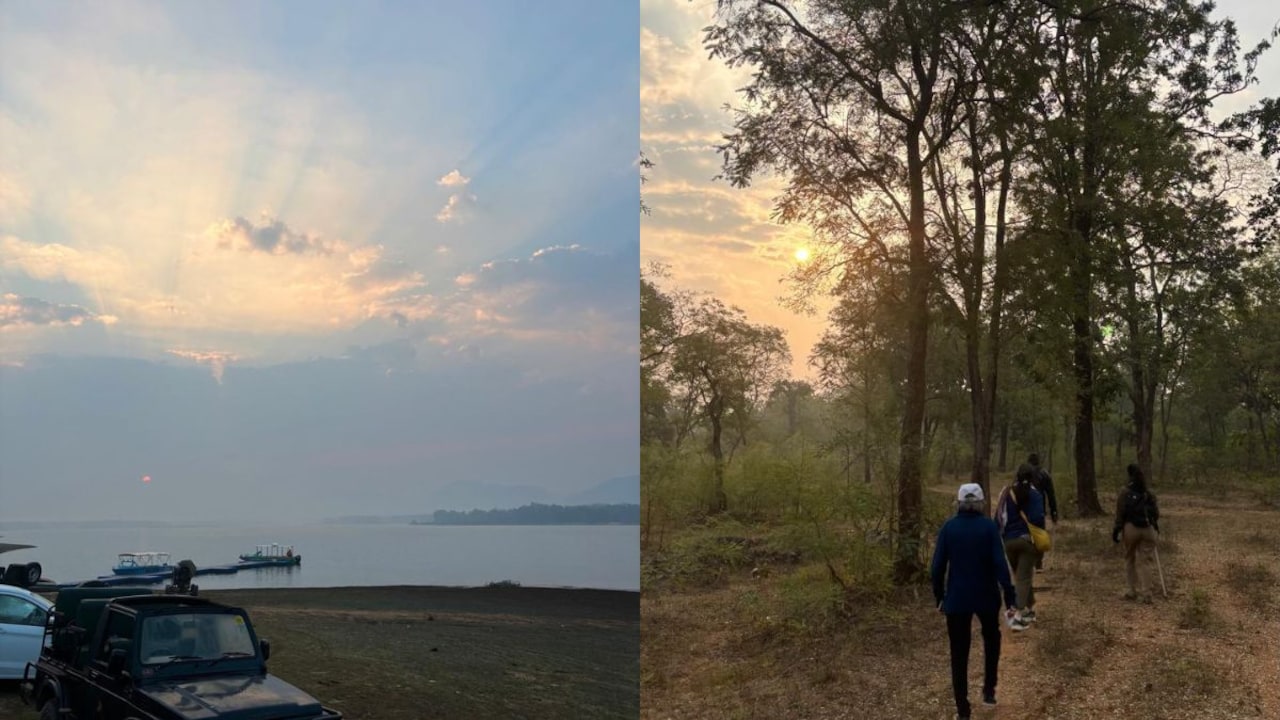
Photo: Author
One of the most memorable parts of the trip happened outside the jeep. We went on a morning nature walk in the buffer zone with our naturalist, Neha More. This was perhaps the first time I understood why people who love wildlife can return to the same forest again and again without getting bored. Neha made us stop for things I would have otherwise walked past - a tree, a trail, a patch of soil, leaves, insects and signs of animal movement.
There was the pale-barked ghost tree, which stood out against the surrounding greenery. We learnt about tendu leaves, palash and the role of termite and ant colonies in the ecosystem. We also came across signs left behind by animals, including marks on trees and pugmarks in the mud.
It was less about spotting something spectacular and more about understanding how the forest works. That morning made me realise that a safari doesn't necessarily have to be conducted from the back of a jeep. Sometimes, walking slowly through the forest teaches you more.
The Quiet Side Of The Backwaters
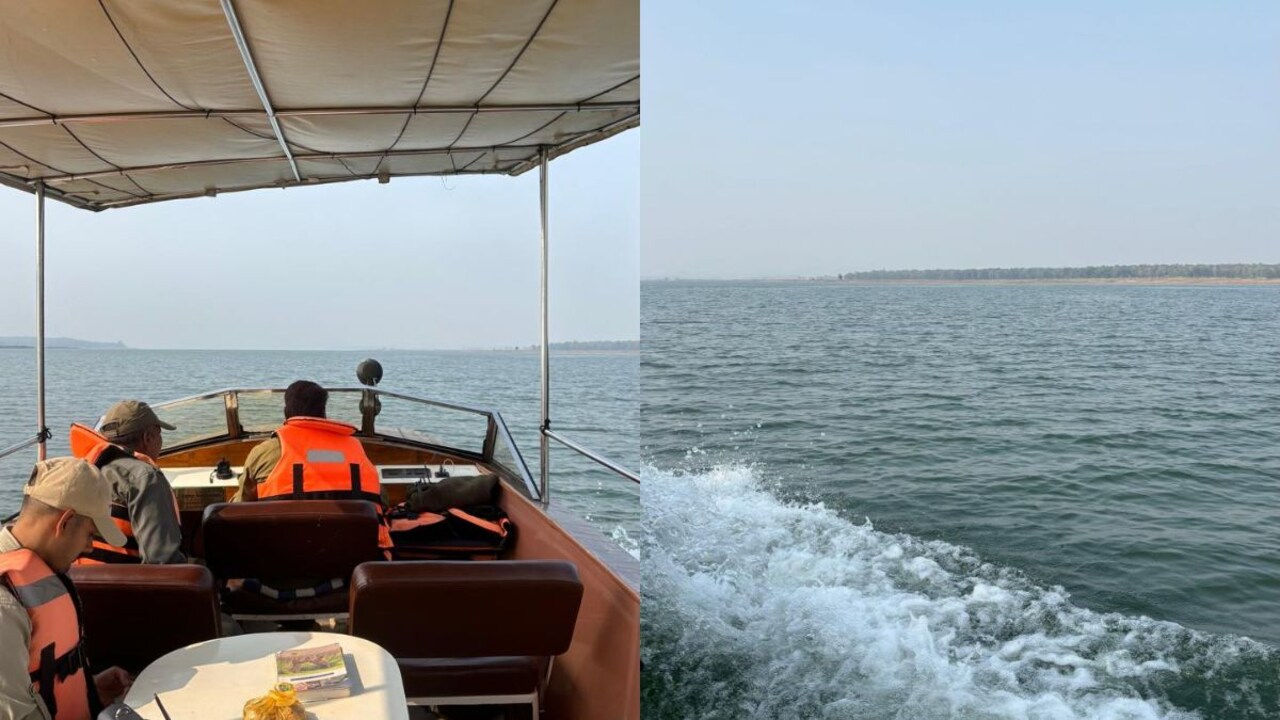
Tawa Dam (Photo: Author)
The Denwa backwaters were another part of the trip that I genuinely enjoyed. After the excitement of the safari, being on the water felt completely different. The boat moved quietly through the reservoir, with stretches of forest and grassland around us. Waterbirds gathered near the banks, while the hills formed a backdrop in the distance.
The boat ride also gave us a chance to experience Satpura without the constant anticipation of a wildlife sighting. There was nowhere to rush. And perhaps that is what I liked most about the entire trip. More than a wildlife holiday
After leaving Satpura, I headed back towards Bhopal and made time for Bhimbetka, the prehistoric rock shelter complex famous for its ancient paintings. The shelters contain paintings depicting animals, hunting scenes and aspects of prehistoric life, making it one of the most fascinating places to visit in the region.
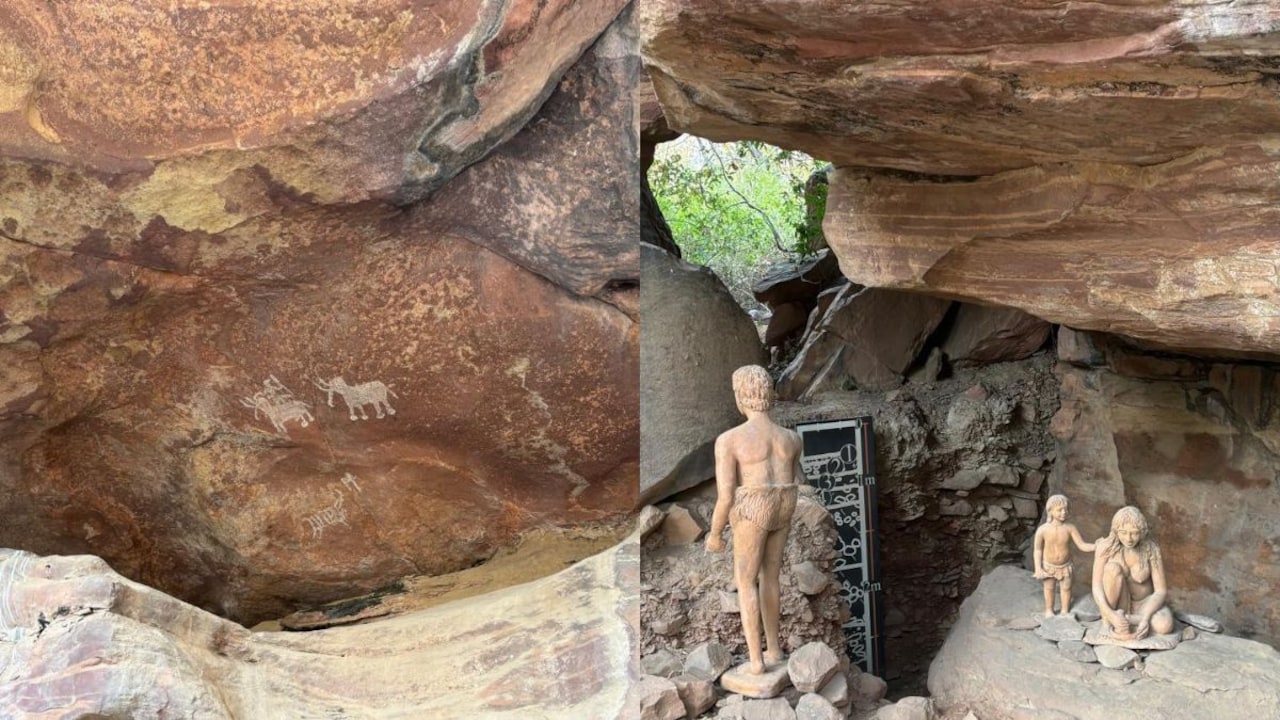
Rock Shelters of Bhimbetka (Photo: Author)
I also visited the Madhya Pradesh Tribal Museum in Bhopal. It was colourful, immersive and far more engaging than I expected, with its displays offering a glimpse into tribal communities, their homes, traditions, beliefs and relationship with nature.
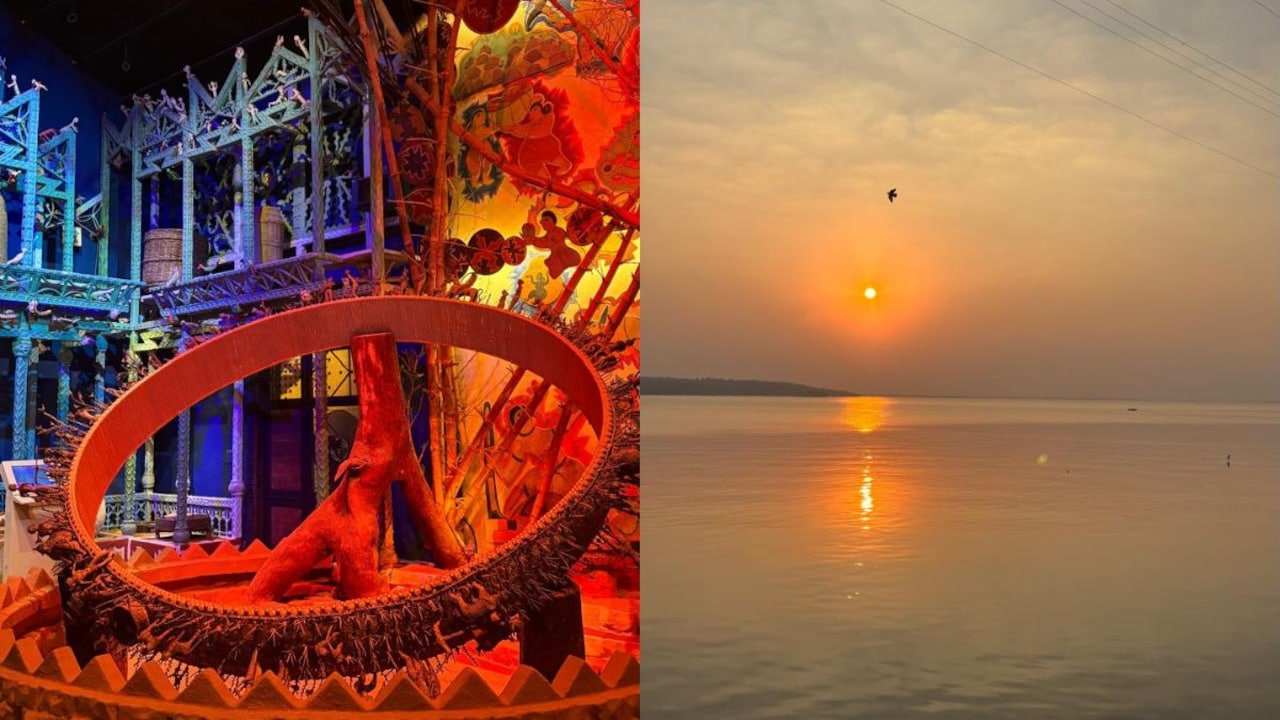
Madhya Pradesh Tribal Museum; Upper Lake (Photo: Author)
By the time I reached Bhopal's Upper Lake before my flight home, the trip felt much bigger than the three days I had initially imagined. I had gone to Satpura for my first-ever safari expecting the usual checklist: tiger, leopard, deer, maybe a bear if I was lucky.
Instead, I came back remembering a sloth bear digging into the earth, a herd of gaur moving through the forest, owlets sitting quietly in a tree, winter birds around the water, a boat crossing the backwaters and everything our naturalist taught us during that morning walk.
Most importantly, I learnt that a safari isn't necessarily about what you manage to photograph. It is about learning to notice. I didn't see a tiger on my first safari. But I came back with enough memories to make me want to go again. And next time, I want my parents with me.
Track Latest News Live on NDTV.com and get news updates from India and around the world


