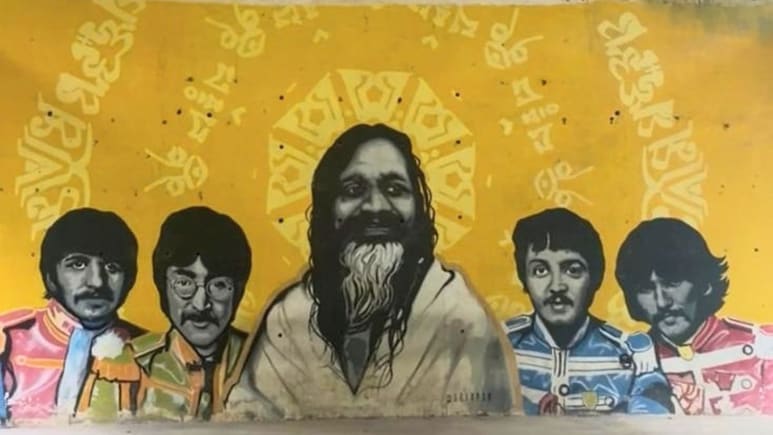
A visit to Rishikesh feels incomplete without making your way to the Beatles Ashram. And while I had read about its history before visiting, walking through the place is an entirely different experience.
The ashram, officially known as Chaurasi Kutia, sits in a beautiful, forested setting within the buffer zone of Rajaji Tiger Reserve, not far from Janki Setu. The Ganga flows quietly nearby, and the thick greenery makes it easy to forget that you are only a short walk away from the bustle of Rishikesh.
But this was once much more than a quiet retreat.
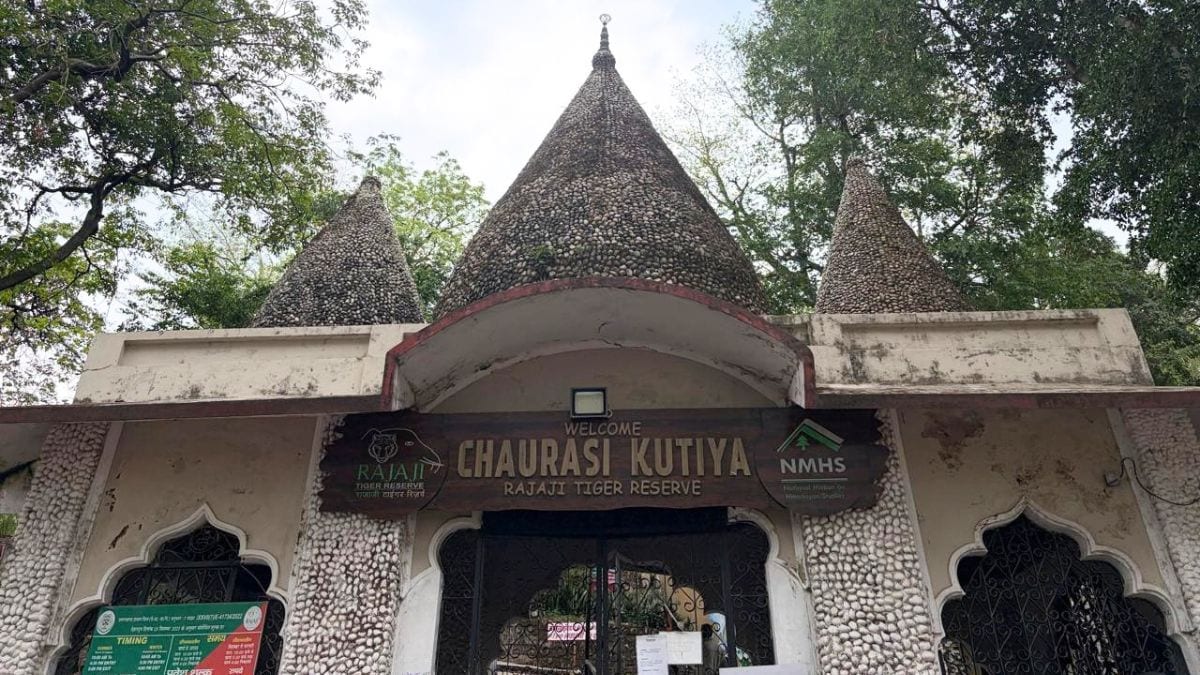
Photo Credit: Author
Established by Maharishi Mahesh Yogi in the 1960s, the ashram became internationally famous in 1968, when The Beatles arrived here to study Transcendental Meditation. John Lennon, Paul McCartney, George Harrison and Ringo Starr came to Rishikesh at a time when the band was increasingly drawn to Indian spirituality and meditation.
Their association with Maharishi had begun in London in 1967, and after attending one of his seminars in Wales, the band eventually travelled to his ashram in Rishikesh for more advanced learning in Transcendental Meditation.
As per reports, in February 1968, The Beatles arrived with family members, support staff and a few journalists. They spent several weeks here, particularly Lennon and Harrison, away from their usual lives, surrounded by the ashram's forested landscape.
And then something unexpected happened.
The place that had brought them here to quieten their minds also became a backdrop for an extraordinary burst of creativity.
During their stay, the band worked on a large number of songs, many of which would eventually feature on their iconic double album, popularly known as The White Album. Songs such as "Dear Prudence" and "Julia" are among those associated with this period.
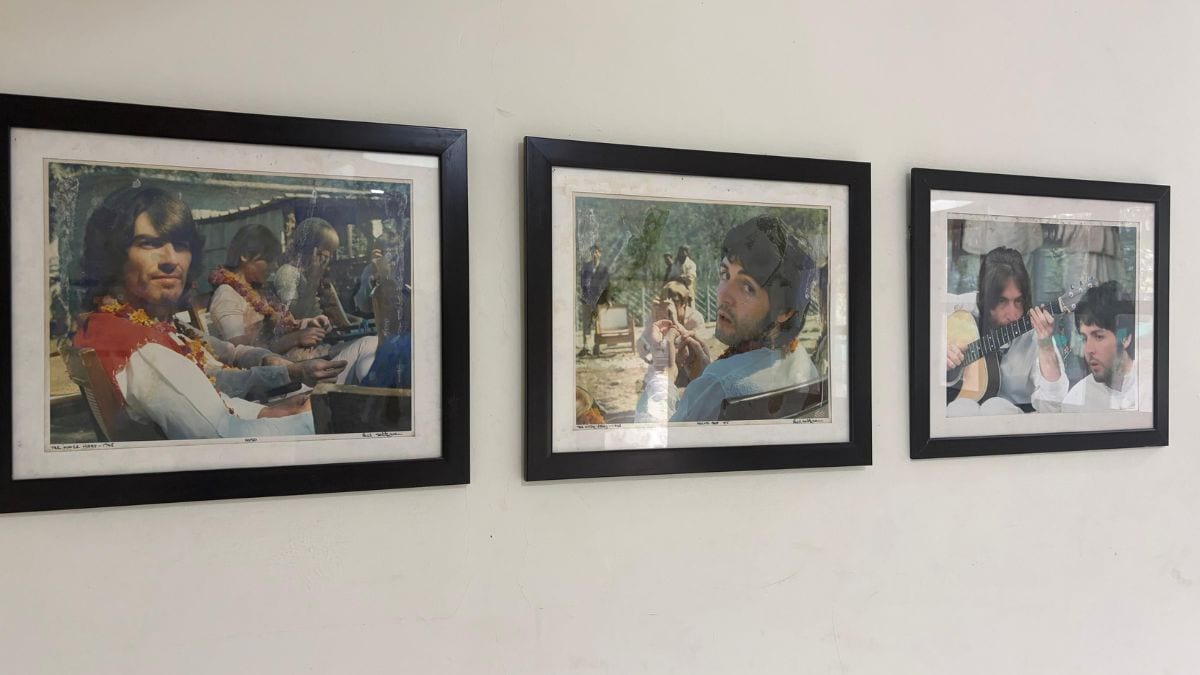
Photo Credit: Author
Standing there decades later, it is difficult not to think about that.
I found myself looking at the paths, the old buildings and the little meditation huts and wondered what it must have been like when the Beatles were here. Somewhere along these same paths, they were learning to meditate, spending time with each other and writing music that would eventually travel around the world.
The Beatles eventually left the ashram in 1968. Years later, the place was abandoned and gradually fell into disrepair. For a long time, the ashram's story remained tucked away among the forest and ruins.
Today, however, it is under renovation and has found a new life as a destination for travellers, Beatles fans and curious visitors.
Why Chaurasi Kutia?
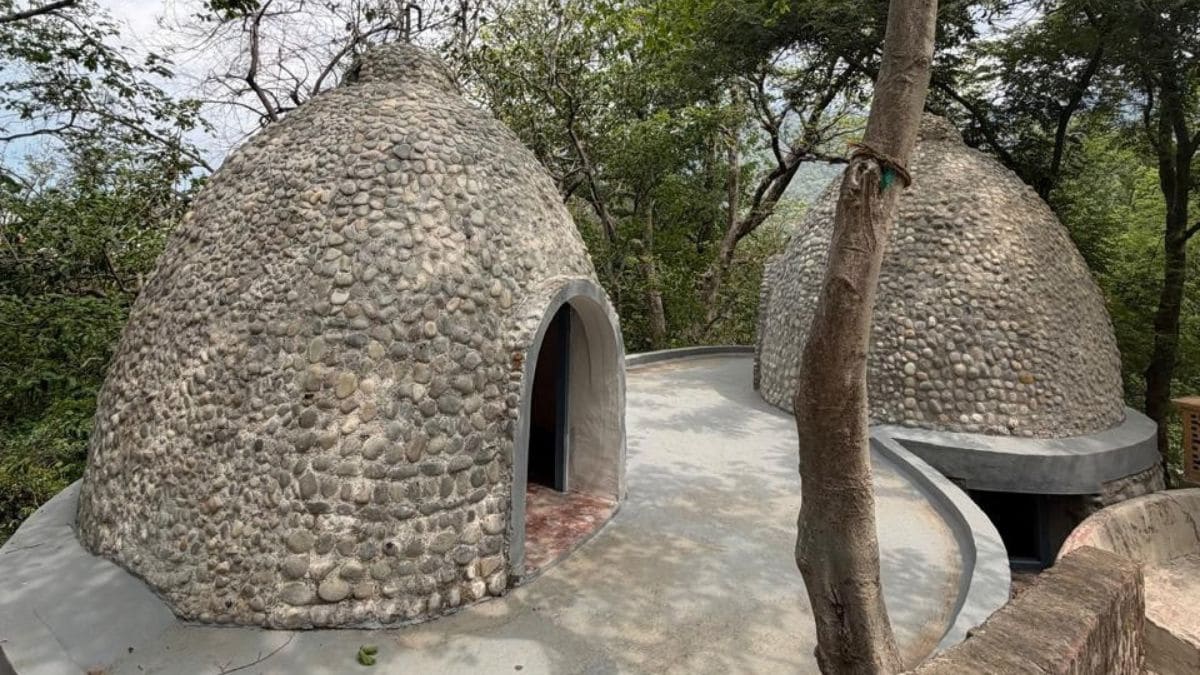
Photo Credit: Author
The name Chaurasi Kutia translates to "84 huts", referring to the meditation huts built within the ashram. The unusual, dome-shaped structures immediately catch your eye. Built using stone, many of these little spaces were designed for meditation and spiritual practice, offering students a place to retreat into solitude.
Walking among these eerily quiet cave-like huts, I could see why the setting must have appealed to people looking to disconnect from the outside world.
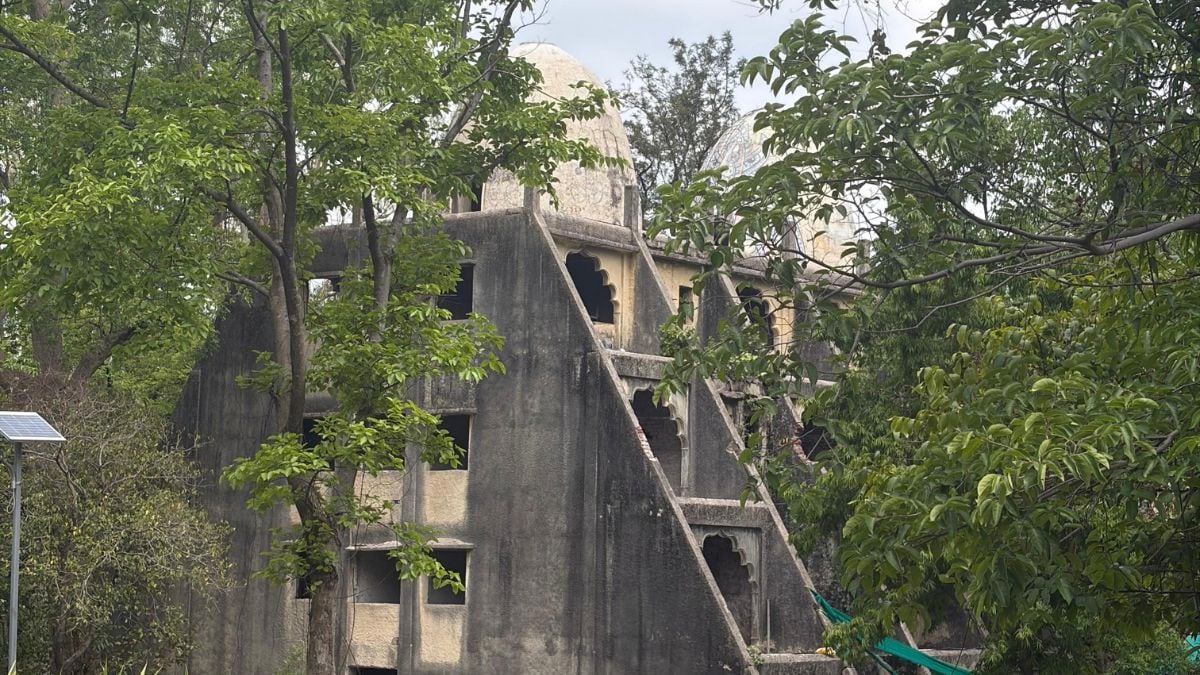
Photo Credit: Author
The ashram's architecture is perhaps just as intriguing as its history. The huts have a distinctly otherworldly, almost igloo-like appearance, with tiny windows and narrow staircases leading to the upper level. The stones used in their construction were sourced from the banks of the Ganga.
Then there is the iconic mural.
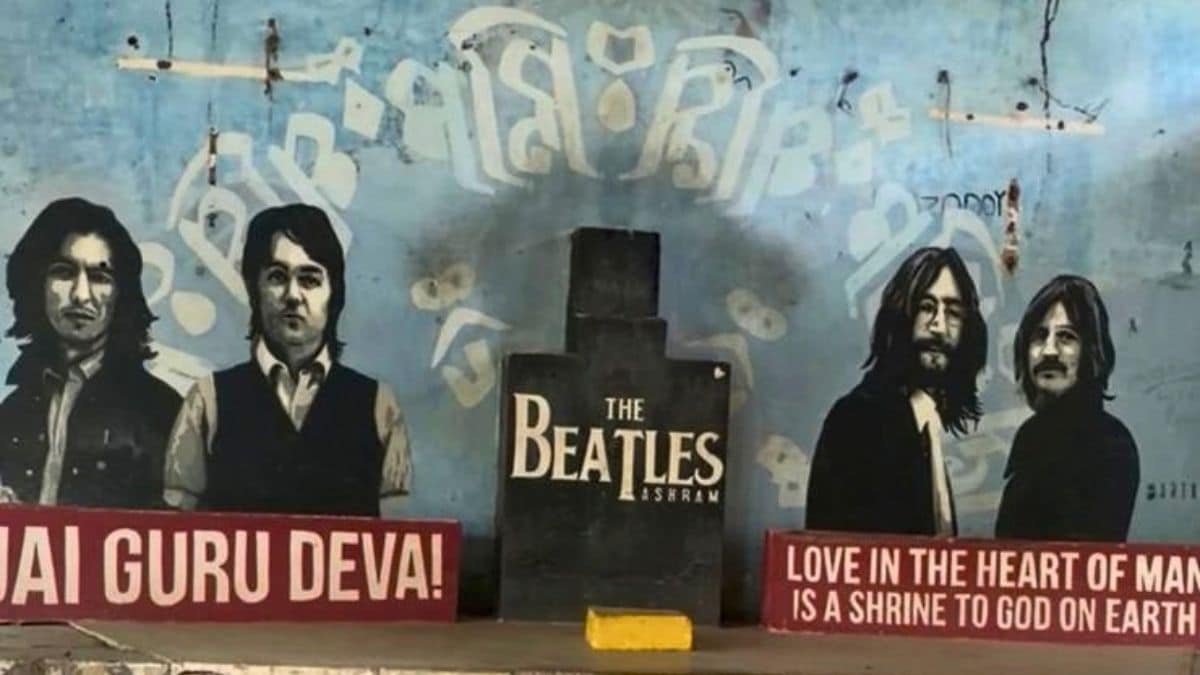
Photo Credit: Author
The old lecture hall, also known as Ved Bhavan, has become one of the most recognisable spots inside the ashram. Constructed in the 1970s, it was once used as a lecture hall and classroom. Today, its walls are covered in colourful graffiti, paintings, poetry and Beatles-inspired artwork.
There is also Maharishi Mahesh Yogi's former residence, built in the late 1960s. From here, one could hear the Ganga flowing through the day, adding another layer of tranquillity to the setting.
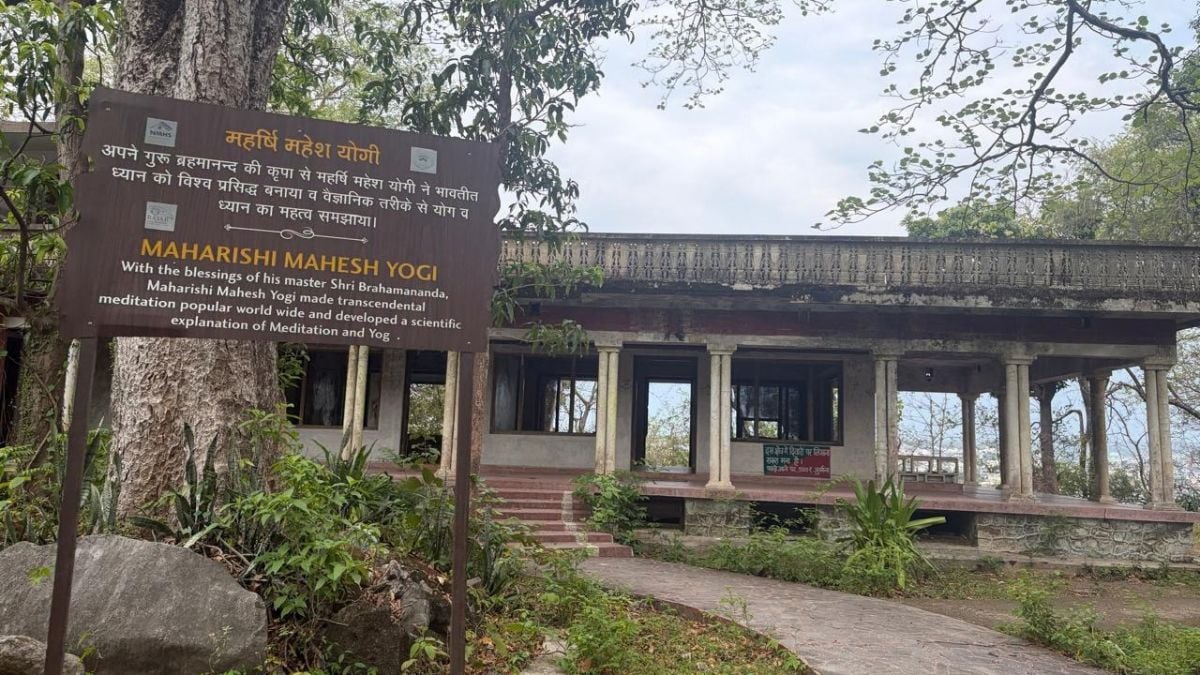
Photo Credit: Author
What I liked most about the Beatles Ashram, though, was that it did not feel like a polished museum frozen in time. There are ruins, weathered walls, tangled greenery and remnants of its old life everywhere. Nature has slowly reclaimed parts of the place, while the murals have given others a completely new identity.
It is this unusual mix of spirituality, music, history, art and wilderness that makes the visit memorable.
The ashram was originally a place where people came looking for stillness. Decades later, visitors arrive for many different reasons. Some come because they love The Beatles. Others are drawn by the meditation history. And then there are those who simply want to wander through a fascinating corner of Rishikesh.
For me, it was impossible to separate the place from the music.
By the time I left, I knew exactly what I wanted to do. I went back, put on The White Album, and listened to it a little differently.
Track Latest News Live on NDTV.com and get news updates from India and around the world


