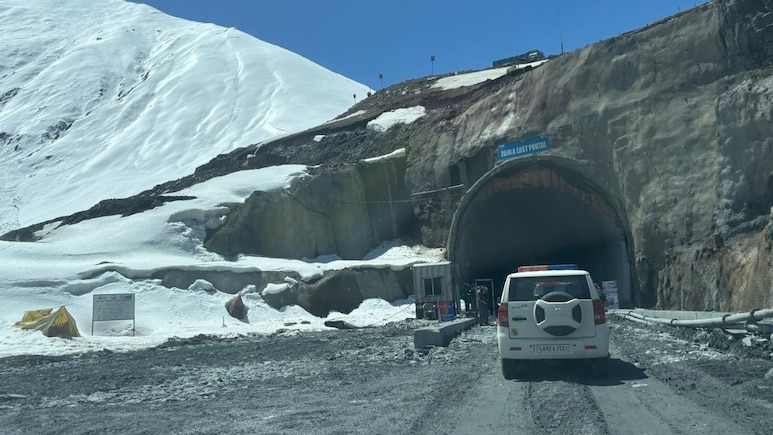
The mighty Zoji La has long been one of the most dramatic and difficult mountain passes in India. For decades, people heading to Ladakh have travelled through narrow roads and steep cliffs while dealing with snowstorms and long winter closures just to cross it. But that is set to change forever with the Zoji-La Tunnel, one of India's most ambitious infrastructure projects.
What Exactly Is The Zoji-La Tunnel?
The Zoji-La Tunnel is an under-construction road tunnel that will run beneath the famous Zoji La Pass, connecting Baltal near Sonamarg in Jammu & Kashmir with Minamarg near Dras in Ladakh. Stretching over 13 kilometres and sitting at an altitude of nearly 11,600 feet above sea level, it is being built as the world's longest single-tube bi-directional road tunnel at such a high altitude. The tunnel is part of the strategic Srinagar-Leh highway network. Once operational, it will work alongside the already-open Z-Morh Tunnel to create an all-weather route into Ladakh.
A Project Years In The Making
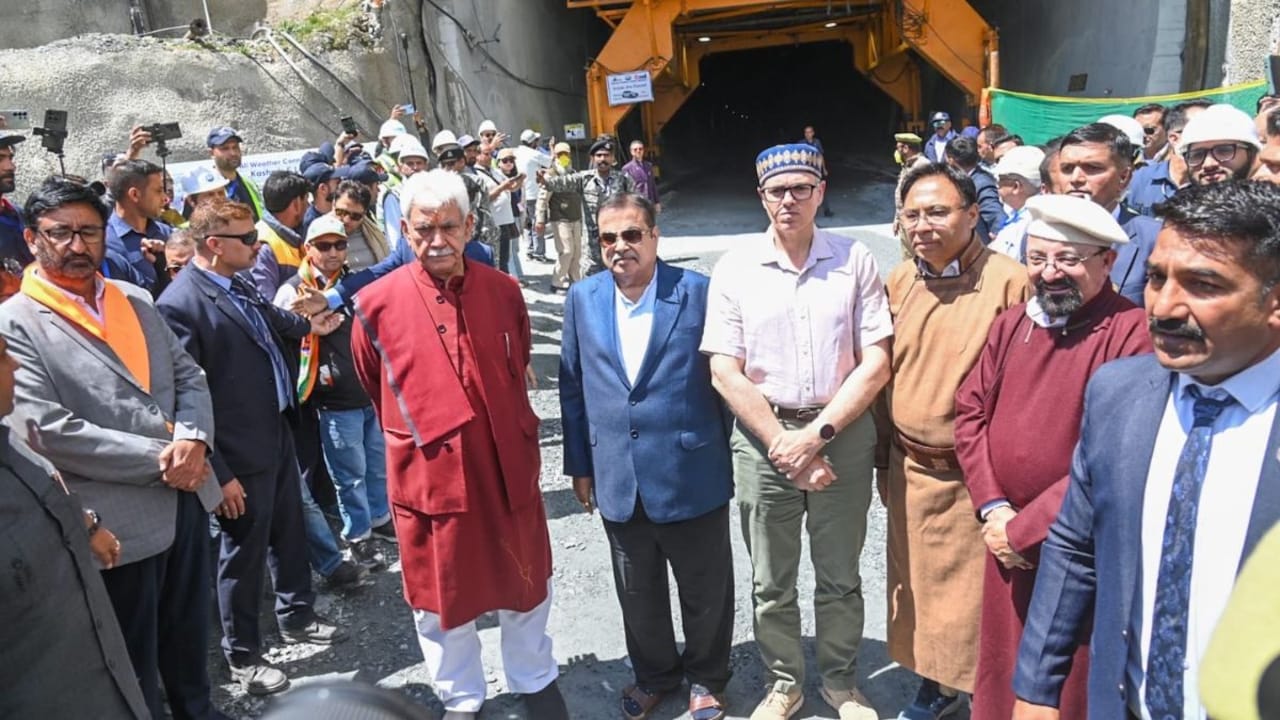
Photo Credit: Photo: X/@LAHDC_Kgl
The dream of a tunnel beneath Zoji La has been discussed for years because of the region's extreme weather. The project received government approval in 2013, and the construction formally began after the foundation stone was laid in 2018. After a change in contractors, work resumed under MEIL in 2020.
A major milestone was achieved recently on June 9, 2026, when the tunnel breakthrough was completed, meaning the excavations from both ends successfully met underground. According to the latest update, around 85% of the project has now been completed, with the tunnel expected to become operational by February 2028.
Also Read: This Popular South Indian Train Has Been Given A Shin Chan-Themed Makeover. Check Route, Details
Constructing a tunnel through the Himalayas is no ordinary feat. The project passes through terrain known for heavy snowfall, avalanches, and complex geology. The tunnel itself will be around 9.5 metres wide and 7.57 metres high, carrying two-way traffic through a single tube. Beyond the main tunnel, the project also includes bridges, culverts, snow galleries, avalanche-protection structures, catch dams, and approach roads designed to keep the route operational even during severe winters.
Packed With Modern Safety Features
Unlike traditional mountain roads, the Zoji-La Tunnel is being designed as a smart tunnel with advanced safety systems. Travellers will have access to continuous CCTV surveillance, emergency telephones, automatic fire-detection systems, modern ventilation, emergency lighting, uninterrupted power supply, radio communication systems, and electronic traffic-management displays.
Pedestrian escape passages will be available every 250 metres, while emergency facilities and firefighting equipment will be set up at regular intervals throughout the tunnel. These features are intended to make travelling through one of India's harshest mountain regions significantly safer.
Ladakh Will No Longer Be Cut Off In Winter
Every winter, heavy snowfall and avalanches force the closure of Zoji La Pass for nearly six to seven months. During this period, road access between Kashmir and Ladakh becomes severely restricted. It affects residents, tourists, businesses, and essential supplies. Once the tunnel opens, vehicles will be able to travel between the two regions throughout the year, regardless of snowfall above the pass.
Also Read: From France To Italy, 7 European Tourist Destinations Where Heatwave Created Chaos
Today, travelling between Sonamarg and Minamarg can take nearly two hours or even longer when traffic and weather conditions worsen. After the tunnel opens, the same journey is expected to take roughly 30 minutes. Many travellers currently avoid visiting Ladakh during colder months because of uncertain road conditions. Year-round connectivity will make road travel more reliable, opening opportunities for tourism and adventure. The tunnel will improve access to healthcare, education, trade, and essential supplies for people living in remote Himalayan regions.
When the tunnel opens in 2028, the days of worrying about pass closures will be over.
Track Latest News Live on NDTV.com and get news updates from India and around the world


