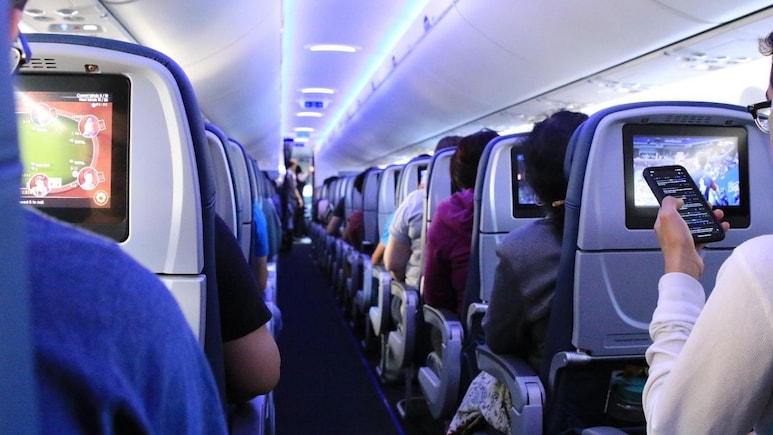
India's aviation watchdog, the Directorate General of Civil Aviation (DGCA), has proposed sweeping changes to deal with disruptive passengers, signalling a firm shift towards a zero tolerance approach.
The draft revised Civil Aviation Requirement seeks to strengthen aircraft safety, restore onboard discipline, and give airlines greater authority to act swiftly against those who misbehave.
At the heart of the proposal is a significant change: airlines may be allowed to directly impose a flying ban of up to 30 days on certain disruptive passengers without first referring the matter to an independent committee.
The move is designed to close gaps in response time and send a clear message that unruly conduct will invite immediate consequences.
Here is a closer look at what the new framework proposes and how violations are categorised.
What The Zero Tolerance Policy Means
The draft rules formally adopt what the regulator calls a "No/Zero Tolerance Policy". The objective is straightforward: to ensure the safety of aircraft, passengers, crew, and property, while maintaining order on board.
Under the revised framework, airlines must:
- Formulate and implement detailed Standard Operating Procedures (SOPs) to handle unruly passengers
- Establish systems for detecting and reporting disruptive behaviour at multiple touchpoints, including check-in counters, airport lounges, boarding gates, and airside areas
- Immediately report incidents to law enforcement authorities
- Notify the DGCA of such incidents in accordance with laid down procedures
Importantly, early signs of potentially disruptive behaviour are to be addressed by airline staff firmly but without discourtesy. The regulator has noted that such behaviour may sometimes stem from service-related grievances and should initially be handled with care, without escalating matters unnecessarily.
The rules will apply to all passengers travelling on flights to or from India, including services operated by foreign carriers that report incidents within Indian jurisdiction.
In Drafts Yet
The DGCA's stricter norms for unruly flyers are currently draft proposals released for public consultation, with no confirmed effective date yet. Stakeholders can submit comments until March 16, 2026, after which the rules may be finalised and notified as a Civil Aviation Requirement (CAR).
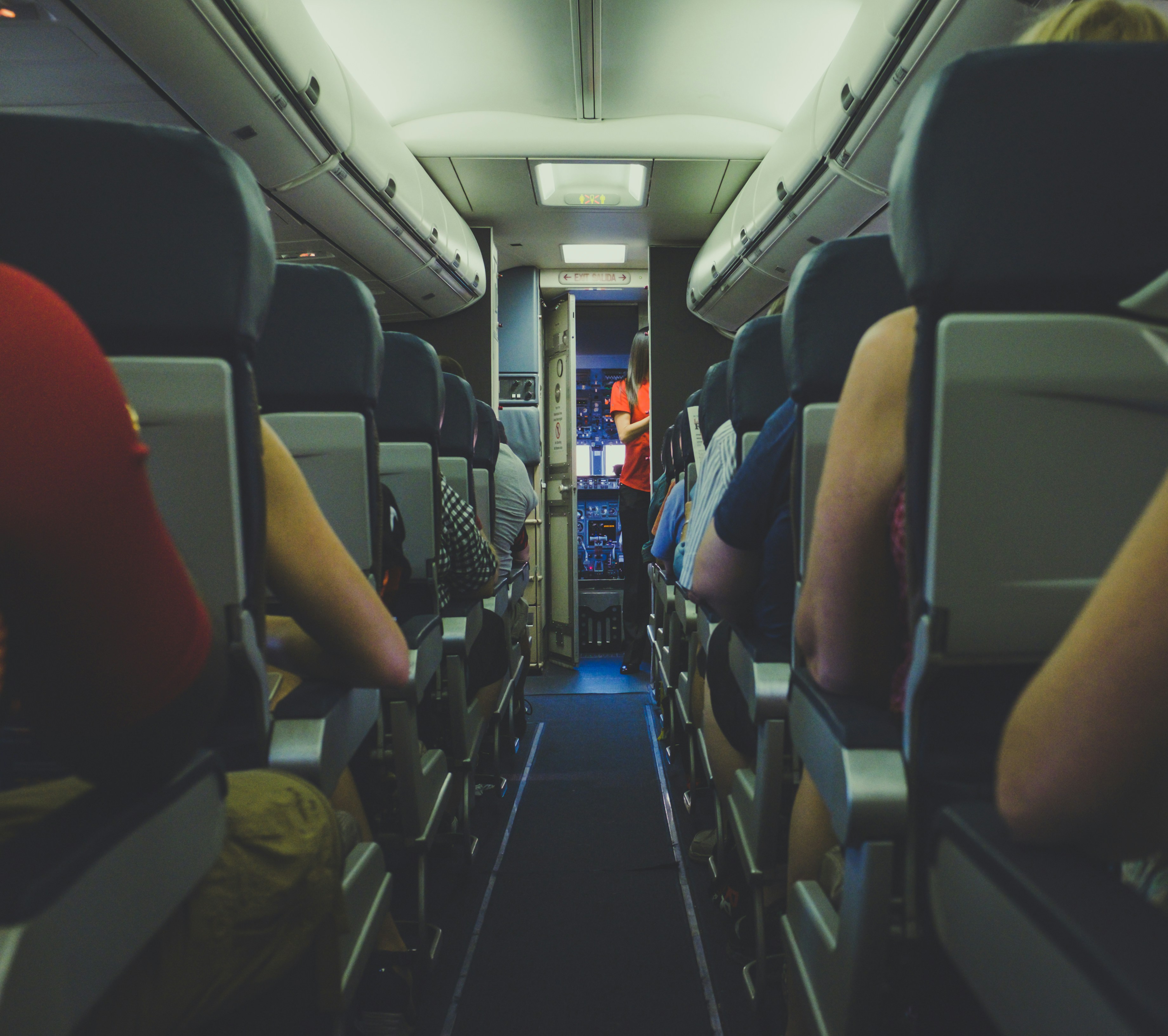
Airlines may soon be allowed to directly impose a flying ban on passangers. Photo: Unsplash
These draft rules, if approved, will replace the 2017 CAR framework once officially notified by DGCA, but airlines must prepare SOPs immediately upon finalisation.
What Changes For Airlines
One of the most consequential proposals concerns the power to impose short-term bans.
Under the draft rules, an airline may directly impose a flying ban of up to 30 days if a passenger is found to have committed certain disruptive acts on board. In such cases, the airline does not need to wait for the decision of an independent committee before acting.
These acts include:
- Smoking on board the aircraft
- Consumption of alcohol on a domestic flight
- Misuse of an emergency exit
- Unauthorised use of life-saving equipment, including life jackets
This marks a departure from the earlier process-heavy approach and gives carriers the ability to respond promptly to clearly defined violations.
However, the provision allowing a temporary ban of up to 45 days pending the decision of an independent committee, as laid out in the existing Civil Aviation Requirement, remains intact in the proposed revision. In other words, airlines retain the option to impose a provisional ban while awaiting a formal classification of the offence.
Enter: The Independent Committee
For cases that require formal classification and longer bans, an independent committee will continue to play a central role.
Each airline must set up such a committee, which will include a representative from another carrier among its members. This structure is intended to ensure impartiality and prevent arbitrary decision-making.
The committee will determine:
- The level of the offence
- The duration of the flying ban
- Whether the passenger should be placed on the airline's internal no-fly list
- Passengers retain the right to appeal, except in specific cases relating to national security.
Breaking Down The Violation Levels
The DGCA framework categorises unruly behaviour into four levels, with penalties escalating in severity.
Level 1: Disruptive but non-violent conduct
Level 1 covers behaviour that disrupts order but does not involve physical violence. This includes:
- Physical gestures
- Verbal harassment
- Unruly inebriation
For such offences, a passenger may face a flying ban of up to three months.
These cases typically involve shouting, aggressive posturing, or intoxicated behaviour that interferes with crew duties or disturbs other passengers, but without direct physical harm.
Level 2: Physically abusive behaviour
Level 2 addresses conduct that involves physical aggression. This includes:
- Pushing
- Kicking
- Hitting
- Grabbing
- Inappropriate touching
- Sexual harassment
For Level 2 offences, the flying ban can extend up to six months.
This category reflects a significant escalation from verbal misconduct to direct physical contact, posing a greater threat to crew and passenger safety.
Level 3: life-threatening acts
Level 3 is reserved for serious and dangerous behaviour that threatens lives or aircraft integrity. It includes:
- Damage to aircraft operating systems
- Physical violence such as choking or eye gouging
- Attempted murderous assault
In such cases, the minimum ban is two years, with no upper limit prescribed.
These are not merely disciplinary issues but matters that may also attract criminal prosecution under relevant laws.
Level 4: breach of the cockpit
- The most serious category, Level 4, involves:
- Attempted or actual breach of the flight crew compartment
Given the global security sensitivities around cockpit access, such conduct attracts a minimum ban of two years or more, without a prescribed upper limit.
This level recognises that interference with the cockpit threatens not just onboard order but national and international aviation security.
National Security Risks And The No-Fly List
Beyond behavioural categories, individuals may also be barred from flying on grounds of national security risk.
Under the draft rules, the Ministry of Home Affairs may share a list of such individuals for inclusion in a separate No-Fly List. Those identified under national security considerations may not be eligible to pursue the same appeal process available to other passengers.
This provision separates routine onboard misconduct from broader security concerns. Taken together, the proposed revisions reflect a decisive tightening of India's aviation discipline framework.
(With Inputs From PTI)
Track Latest News Live on NDTV.com and get news updates from India and around the world


