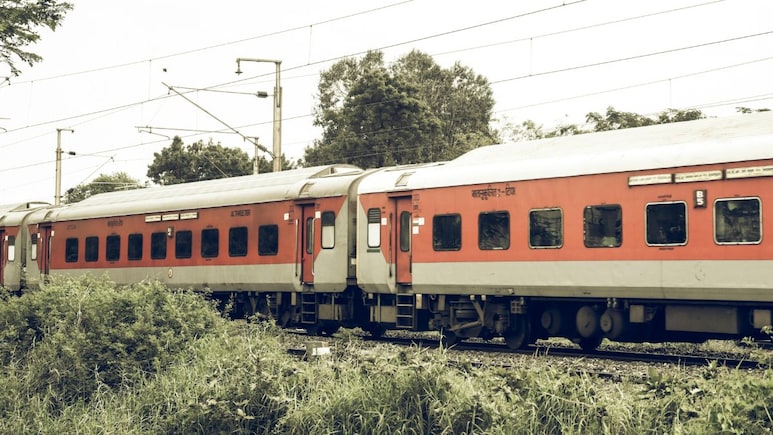
- Trains have a fixed working life of 25-35 years before retirement or withdrawal occurs
- Old passenger coaches are converted into goods carriers called New Modified Goods coaches
- Indian Railways retired over 37,000 coaches and scrapped 1,000 engines from 2020 to 2024
Have you ever sat by a window seat, watching a train speed past, and wondered what happens to it when it gets too old to run? With a system as massive as Indian Railways, one of the largest railway networks in the world, the answer is far more interesting than you'd expect. Trains don't just disappear. They retire, transform, and even make money long after their final journey.
Old Trains Retire And Get Transformed
Just as people do, trains have a fixed working life. Every coach, engine, and wagon is built to last only a certain number of years. For example, passenger coaches (older ICF type) last 25-30 years, and modern LHB coaches are used for up to 35 years.
But retirement isn't just about age. A train can also be withdrawn if it becomes unsafe, the cost of repairs rises, or it's technologically outdated. But retirement doesn't always mean the end. Instead of being scrapped immediately, many trains get a second life. Old passenger coaches are often converted into goods carriers, called NMG (New Modified Goods) coaches.
During this transformation, seats, fans, and lights are removed, and the windows are sealed. The body of the coach is reinforced with metal to turn it into a strong, sealed coach that can carry goods instead of people. These coaches are used to transport cars, tractors, and mini trucks. And they keep working for another 5 to 10 years.
Where Do Trains Go After Retirement?
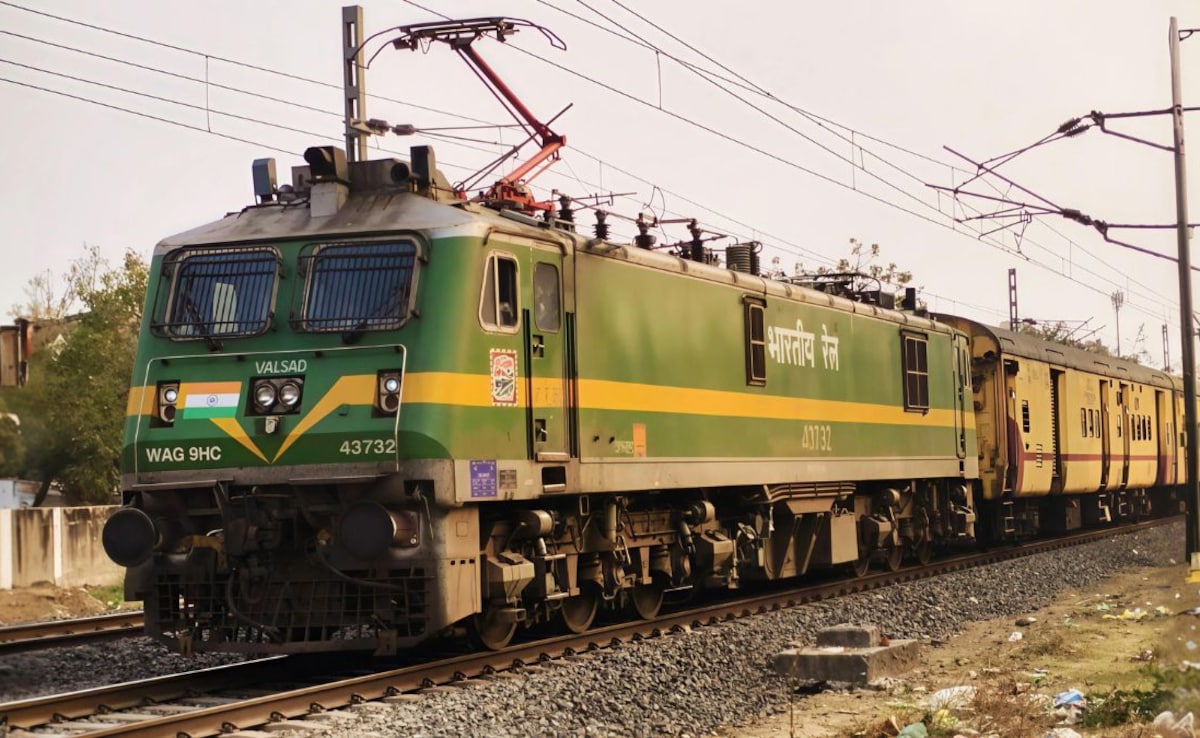
Photo: Pexels
Indian Railways went through a massive upgrade phase. Under its Mission Zero Scrap and electrification plans, old diesel engines were phased out, electric trains replaced them, and safer, modern LHB coaches took over. Between 2020 and 2024 alone, over 1,000 engines were scrapped and more than 37,000 coaches and wagons were retired.
When a train reaches the end of its life, it goes through a final process of scrapping. Once a train is declared unfit for use, it's taken apart piece by piece, and the materials are sorted carefully. These include iron and steel (ferrous metals) and copper, aluminium, and brass (non-ferrous metals). Even smaller parts like seats, air conditioners, lights, and batteries are removed and reused or recycled.
The life of a train is much longer than we imagine. From busy platforms to scrapyards, from passenger journeys to cargo transport, it keeps serving in different ways till the very end.
Track Latest News Live on NDTV.com and get news updates from India and around the world


