
Many Indian cities have neighbourhoods whose names hint at stories from another time, and Civil Lines is one of them. You may find it in crowded metros and in quiet district towns, often holding an important place on the map. What makes this even more interesting is how similar these areas look, with their broad roads, old trees and the occasional colonial-era bungalow peeking through the greenery. It raises a simple question that many people have wondered about: why did so many cities end up with a Civil Lines of their own? The answer takes us back to the early administrative structure of British India and the way towns were organised to serve those in power.
A Colonial Enclave For British Officials
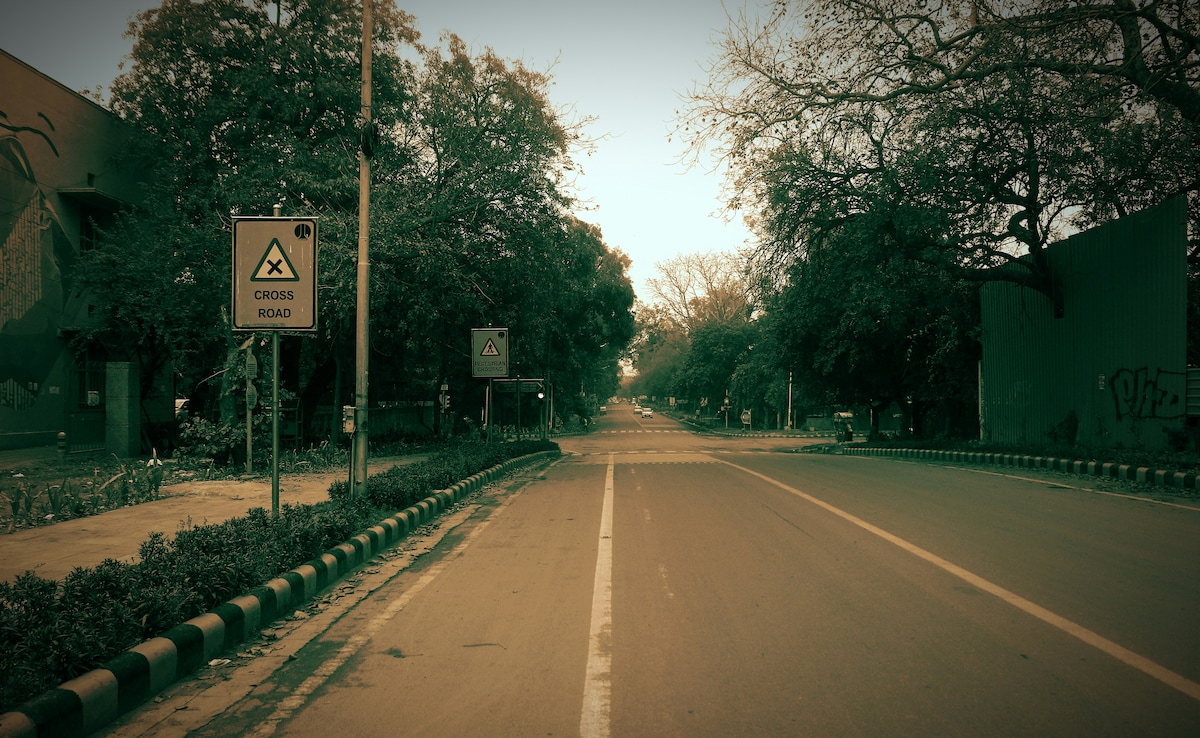
During British rule, cities were planned in a way that separated the rulers from the bustle of Indian settlements. Civil Lines became the residential quarters for senior officers of the civilian administration, distinct from the more fortified cantonments where military personnel lived. These areas were carefully laid out with wide avenues, spacious bungalows and large open compounds, designed to provide comfort, quiet and a sense of superiority. The neat layout made them stand apart from the dense, winding lanes of the traditional city.
Also Read: Why Do North Indian Cities Have A 'Model Town'
A Reflection Of Order And Administrative Control
Civil Lines neighbourhoods were built to symbolise order, authority and governance. Key government buildings, district courts, circuit houses and inspection bungalows often stood within or near these zones. For the British, this arrangement helped streamline administration and created a controlled environment for the bureaucracy. For the growing cities around them, Civil Lines gradually became markers of status, where the look and feel of the place reflected the power that once lived there.
A Blueprint Repeated Across Regions
As British administration spread and more districts were carved out, the idea of Civil Lines became a template. Each new district headquarters required housing for officers, space for government buildings and a layout that matched colonial planning standards. The result was a network of Civil Lines across North and Central India, stretching through Uttar Pradesh, Rajasthan, Haryana, Delhi NCR, Madhya Pradesh and parts of Bihar.
A Neighbourhood That Transformed With Independence
After independence, these spaces adapted to the needs of a changing country. Some continued to house government offices and official residences, while others transformed into quieter residential neighbourhoods. A few evolved into thriving commercial districts with cafes, coaching centres, boutique markets and professional offices. Despite these shifts, the basic structure of wide roads, leafy avenues and institutional buildings preserved the distinctive character of Civil Lines.
A Name That Still Carries Its History
Civil Lines may seem like an ordinary name today, but it still reflects an important phase in how Indian cities developed. As years passed, these areas became a regular part of city life, even though their original purpose changed. When you walk through any Civil Lines now, you can still notice traces of the past in the buildings, the layout and the overall atmosphere.
Also Read: 7 Budget-Friendly Weekend Getaways Near Delhi
It may be a familiar name, but Civil Lines still reflects where our cities came from and how far they have come.
Track Latest News Live on NDTV.com and get news updates from India and around the world


