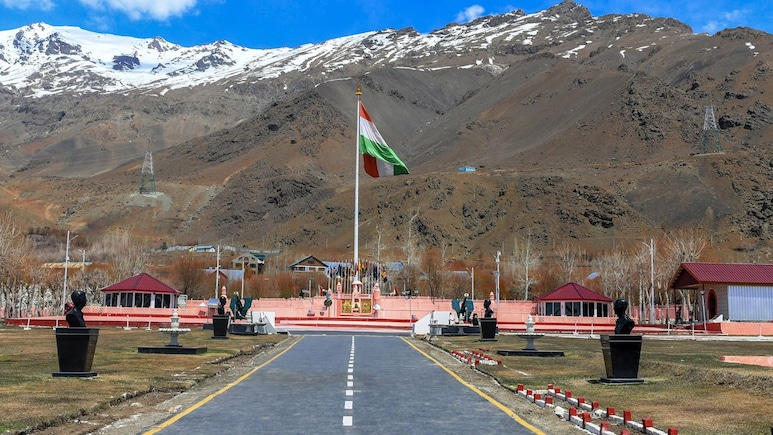
On December 15, 2025, the Indian state of Sikkim formally opened the high-altitude passes of Cho La and Dok La to tourists in a regulated manner, under the country's expanding battlefield tourism initiative. Access to these frontier areas along the India-China border was previously restricted. Situated at elevations above 15,000 feet, these mountain passes are historically significant: Cho La saw Indo-China clashes in 1967, and Dok La saw a tense standoff between Indian and Chinese troops in 2017. The decision to open such sites to tourists marks a notable shift in how India is approaching sites long defined by military sensitivity. It reflects a broader policy push underway across several border and conflict-linked regions. In recent months, central and state authorities, often in coordination with the armed forces, have sought to open select battle sites, memorials and frontier areas to visitors.
These initiatives are generally intended to familiarise people with the country's military history, promote infrastructure development in remote regions and generate livelihoods for local communities. They also point to a changing official view of borderlands: not only as zones of security concern, but as landscapes of national memory. India's battle landscapes are increasingly being presented to travellers as places to learn, reflect and engage. Learn more about this form of tourism below:
What Is Battlefield Tourism And Why Does It Interest People
Battlefield tourism is travel whose primary purpose is to visit places associated with warfare: battlefields, memorials, cemeteries, forts, museums and even forward posts. Motivations vary. Some visitors, like students, history buffs and researchers, come to learn. Others come to remember and to pay respects: families tracing relatives or citizens observing national sacrifice. A growing group travels for the unusual landscape and the story it tells, often combined with adventure travel (high-altitude passes, desert outposts). In all these cases, the site is both a place of memory and a place to experience. That dual identity is at the core of how battlefield tourism is practised.
India's Many Layers Of Battlefield Heritage
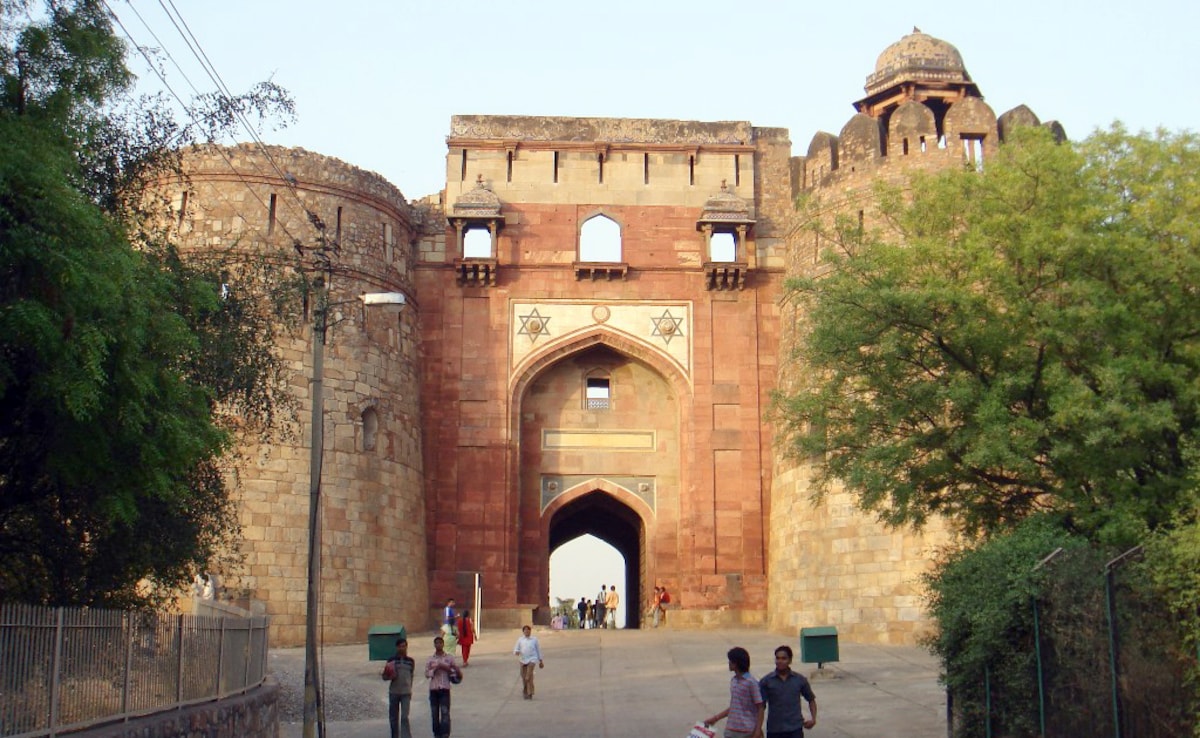
Purana Qila
India's popular battle sites include:
- Ancient and medieval battlefields and forts (such as Panipat, Haldighati, Chittorgarh, etc.)
- Colonial battle sites tied to the 18th-19th century struggles that shaped British rule (Plassey, Buxar)
- World War II frontlines in the Northeast (Kohima, Imphal), and
- Post-Independence high-altitude conflicts and memorials (Kargil, Longewala, Rezang La).
Each category requires different approaches: forts often invite immersive re-enactments and architectural storytelling, while modern memorials demand sensitivity to recent loss and living veterans' perspectives.
Also Read: How To Enjoy A Museum Visit Even If You Are Not A History Buff
The Recent Push: Opening Frontier Sites And "Patriotic" Tourism
Over the last two years, the Indian government, the army and state tourism bodies have moved beyond conventional memorial-tourism to open previously restricted border and forward areas. This marks a significant policy shift. In early 2025, the Ministry of Defence and related agencies launched initiatives that shortlist and stage access to iconic and once-inaccessible sites, including forward sectors that witnessed recent standoffs.
Some Famous Battlefield Tourism Spots In India
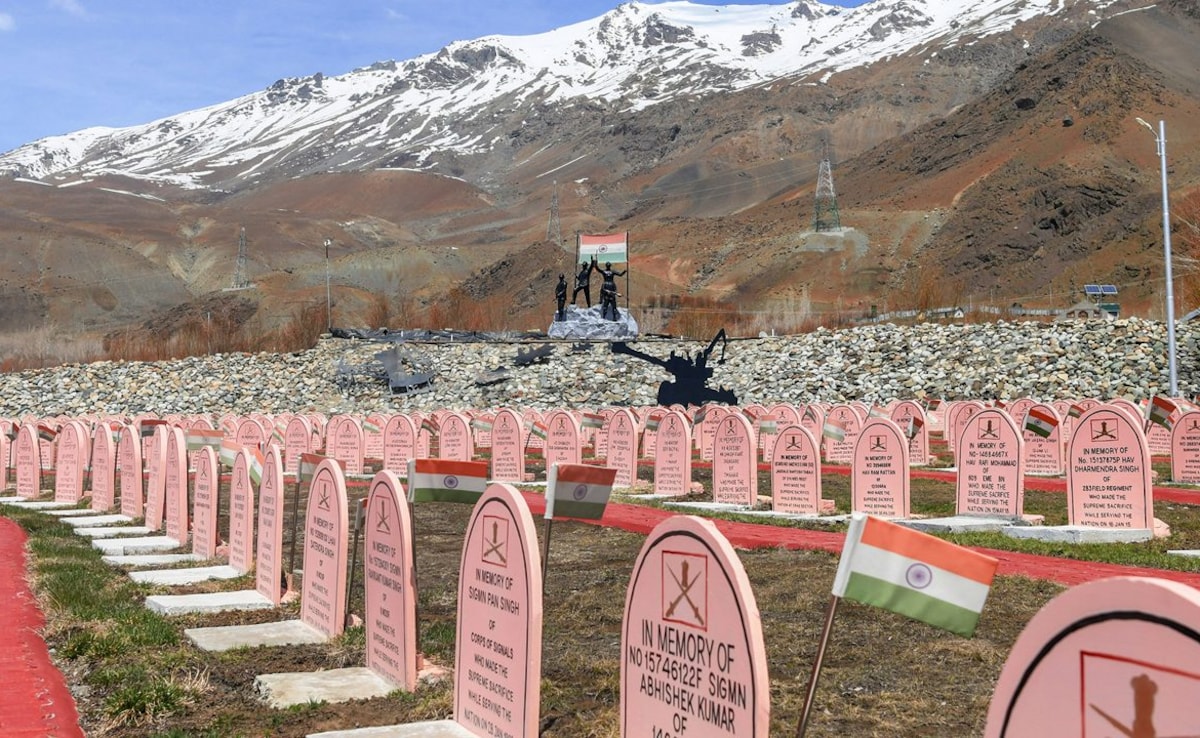
Kargil War Memorial. Photo Credit: Incredible India
1. Kargil War Memorial, Dras (Ladakh)
One of the most visited modern war memorials in India, the Dras memorial commemorates soldiers who died during the 1999 conflict. Landscaped grounds, inscribed names and an interpretive centre help visitors understand the geography and intensity of high-altitude warfare. The journey itself, which includes long drives through mountain terrain, reinforces the sense of remoteness and sacrifice.
2. Longewala War Memorial (Rajasthan)
Located near the India-Pakistan border in the Thar Desert, Longewala marks the site of a decisive 1971 battle. Today, the memorial and adjacent museum display military equipment, maps and narratives that place the encounter within the broader context of the war.
3. Kohima War Cemetery (Nagaland)
Part of the legacy of World War II in India's Northeast, the Kohima cemetery is internationally recognised and carefully maintained. Terraced graves, minimal signage and a restrained interpretive approach create a contemplative atmosphere.
4. High-Altitude Himalayan Battle Zones
In recent years, and under strict regulation, certain high-altitude locations linked to post-Independence conflicts have been opened to civilians. Access is typically seasonal, guided and subject to permissions, reflecting both security concerns and the growing interest in frontier tourism.
Also Read: From Golden Temple To Jallianwala Bagh: Complete Guide To Explore Amritsar's Heritage
Practical Tips For Responsible Travellers
A battlefield visit is not a theme-park tour. Here's what you must keep in mind:
- Check access rules and permits: Forward areas and border sectors usually require permissions or guided entry. Don't assume free access.
- Choose guided options: A vetted local guide or an Army-led tour provides context and ensures you follow security protocols.
- Be respectful: Maintain silence at memorials, refrain from exploitative photos, and follow signage about permitted areas.
- Prepare logistically: Remote sites often have limited medical support and poor connectivity. Plan transport, accommodation and weather contingencies accordingly.
If done thoughtfully, visiting a battlefield can be a way to expand empathy. In India, with its many layers of conflict and remembrance, battlefield tourism can be a fascinating opportunity to learn about history in a distinctive way.
Track Latest News Live on NDTV.com and get news updates from India and around the world


