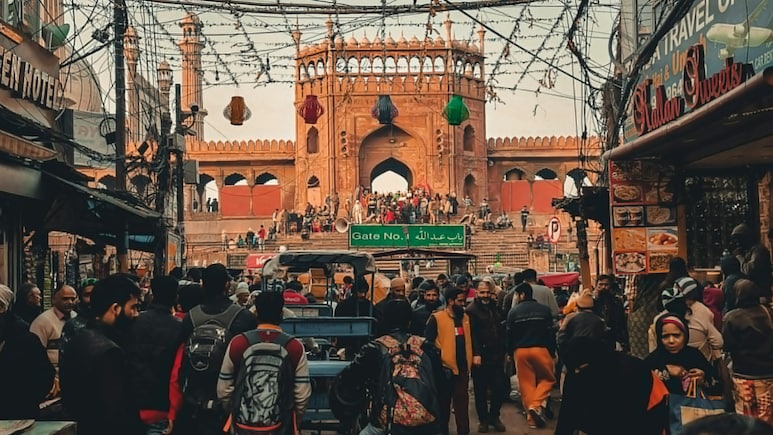
If you've ever stood at the edge of Chandni Chowk and felt a little overwhelmed, good, that means it's working. The noise, the rickshaws, the smell of frying jalebis mixing with cardamom and diesel, the man pressing clothes with a coal iron on the footpath, the shopkeeper calling out to you in three languages at once, it is a lot. But here's the thing: that beautiful, chaotic energy has been running non-stop for 375 years. Chandni Chowk is not just India's oldest market. It is, in many ways, India's most uninterrupted story. And if you haven't been, or if you've been and never quite understood what you were walking through, this one's for you.
Also Read: Where Is The Deepest River Valley In India?
Born of an Emperor's Vision (and His Daughter's Genius)
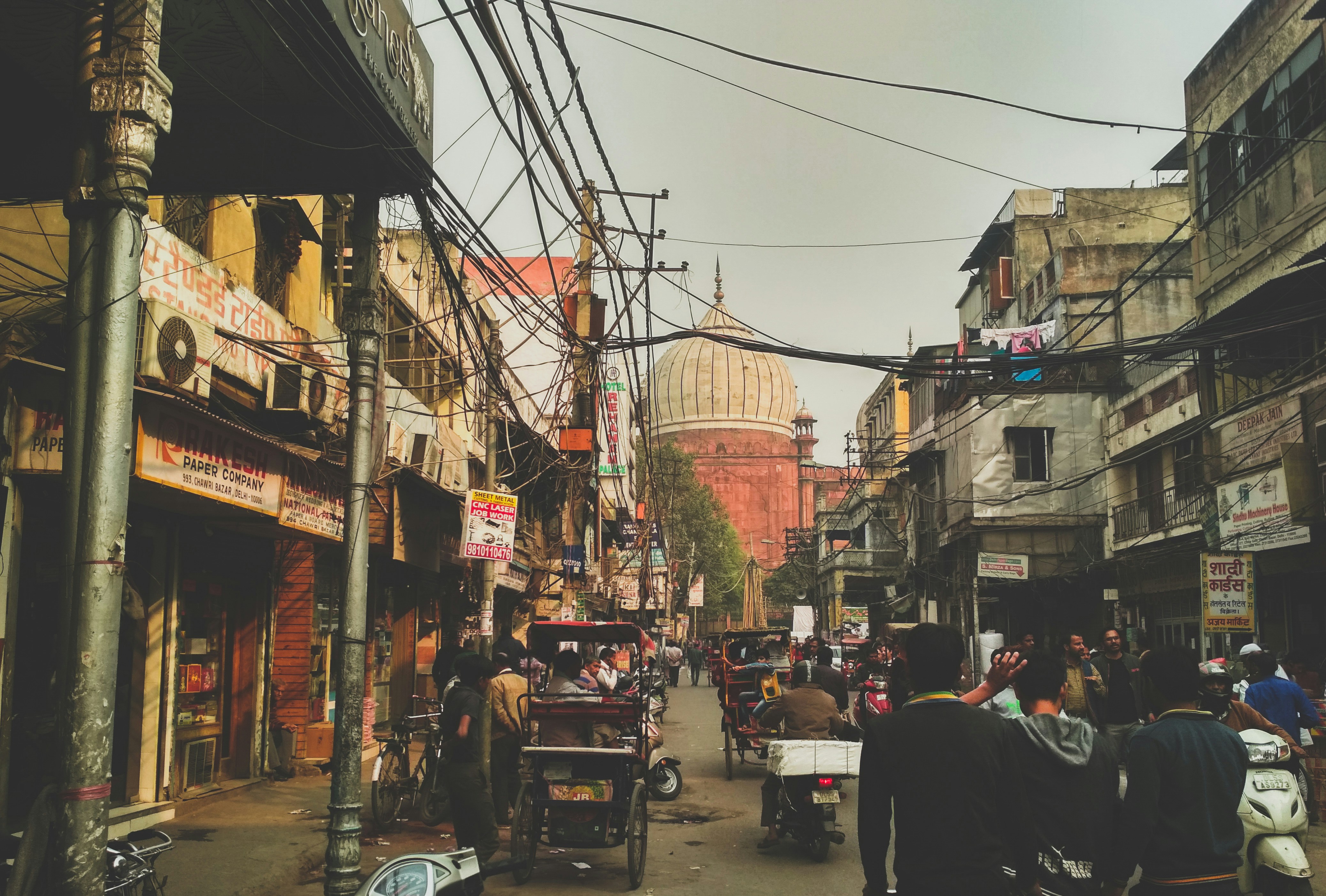
In 1650, the fifth Mughal emperor, Shah Jahan, moved his capital from Agra to Shahjahanabad, now Old Delhi, and envisioned a market befitting his empire. Alongside his daughter Jahanara Begum, he designed Chandni Chowk in a crescent shape, with a Yamuna river tributary running through it, earning its name from the moonlight reflecting off the waters. Originally a half-moon-shaped square, it was adorned with trees, canals, and pools, stretching 40 yards wide and 1,520 yards long. Jahanara Begum is credited with its creation, and silver merchants thrived here, giving it the early name Silver Street.
-

-
 Africa50's Principal Investment Fund CEO On India's Role In Developing Africa
 -
 CBDCs Will Transform Global Trade And Payments In The Next 5 Years: CoinSwitch CEO
 -
 'India Will Be The Jeweller To The World': World Gold Council's Sachin Jain At NDTV World Summit
 -
 AI Could Be Humanity's 4th Great Humiliation, Says Swami Sarvapriyananda
 -
 Experts Discuss Global Capital Flows, Trade And India's Digital Leap At NDTV World Summit 2026
 -
 Swami Sarvapriyananda Explains Why AI Agents Should Be Treated Like Humans
 -
 "You've Got A Long Day At Anthropic": Monk On "Spooky" Chat With Claude
 -
 Bassist Mohini Dey At NDTV World Summit 2026: 'Fortunate To Be Born In India '
 -
 From Indian Roots To Global Stages: Mohini Dey Shares Her Musical Philosophy
 -
 Live: Nikhil Kamath Talks About Building India's Next Economy At NDTV World Summit
Chandni Chowk was more than a market; it was a vibrant hub where Mughal royal processions passed, and courtiers, merchants, poets, and pilgrims mingled. It was the empire's heartbeat. However, history took its toll. In 1739, Nader Shah looted the market during the Battle of Karnal, and in 1857, it became a battleground during the Revolt against British rule, suffering further destruction. Despite these setbacks, Chandni Chowk's resilience endured.
Today, the canal is gone, and the crescent shape is obscured by centuries of growth, crowded with people and wires. Yet, it remains a bustling market, stretching nearly 2 kilometres from the Red Fort to Fatehpuri Masjid, now Asia's largest wholesale market. Shah Jahan would likely be proud.
The Bazaars: A Different World in Every Lane
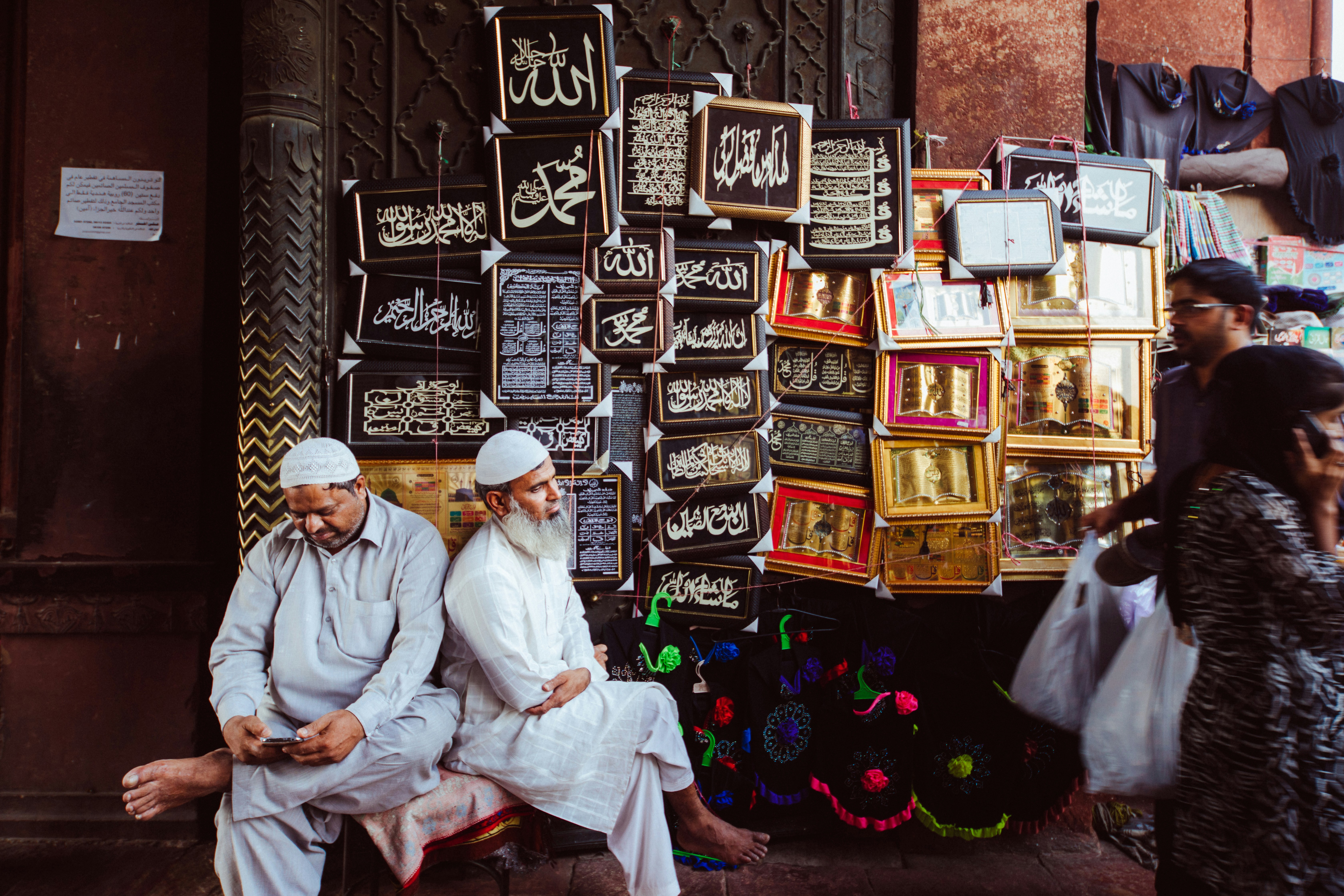
Chandni Chowk is not one market. It is dozens of markets, each with its own personality, its own history, and its own very specific thing to sell you.
Khari Baoli is where you go first if you want to understand what this place smells like at its most intense. Established in 1650 during the reign of Shah Jahan, Khari Baoli is considered Asia's largest wholesale spice market. Vendors line the narrow streets with sacks of spices, dried fruits, and herbs, cloves, cardamoms, raisins, walnuts, dried Afghan mulberries, pink salt, and exotic dried fruits. It is breathtaking in the most literal sense. Your eyes will water. You will sneeze. You will also want to buy everything.
Dariba Kalan is where the gold lives. Set up by Shah Jahan for the wealthy to shop for precious gems, gold, silver, diamonds, rare stones, pearls, and ittar (oil-based perfumes), Dariba Kalan is now 350 years old and still patronised by locals and visitors from across the world. Today, its shops sell exclusive ornaments, bridal collections, and antique specimens. If you are shopping for a wedding, your own or anyone else's, start here.
Kinari Bazaar is pure sensory overload in the best way. This wholesale market sells everything that goes into Indian weddings and festivals, borders for saris, laces, sequins, motifs, bangles, artificial jewellery, garlands, and turbans for grooms. During Rakhi, shops fill up with decorative threads; during Holi, plates of vibrant powder; for Diwali, lights and clay lamps; for Christmas, tree decorations; and during Eid, green and white banners. It is, in short, every Indian occasion crammed into one street.
Nai Sarak is for the bookworms and stationery obsessives. And if you have never heard of the Daryaganj Sunday Book Market, fix that immediately. Open only on Sundays and running for over 55 years, hundreds of booksellers occupy a roadside stretch of over a kilometre, selling first editions, signed copies, vintage books, old magazines, history and cookery books, children's books, and novels sold by the kilo at prices that will make your jaw drop. Comfortable shoes. Big bag. Arrive by 10 am. Thank us later.
Bhagirath Palace is for electrical goods, once a palace belonging to the courtesan Begum Samru of the Mughal era, now Asia's largest wholesale market for electricals, selling everything from basic bulbs to chandeliers and lampposts. The contrast between what it was and what it is now tells you everything about how Chandni Chowk reinvents itself across centuries.
Also Read: Tawang vs Ziro Valley, Which Northeastern Destination Is Better For An Offbeat Summer Trip?
And then there is Ballimaran, arguably the most poignant lane of the lot. Ballimaran was once a residential area for some of India's most celebrated historical figures. The mansion of Urdu poet Mirza Ghalib is here, as are the homes of Dr Ajmal Khan (a pioneer in Ayurvedic medicine who co-founded the Indian National Congress), freedom fighter Hisamuddin Haider, and Nawab Loharu, who made swords for Emperor Shah Jahan. The buildings are mostly in ruins now, but walking through Ballimaran with that knowledge feels like a quiet, private conversation with history.
The Food: A Pilgrimage, Not a Meal
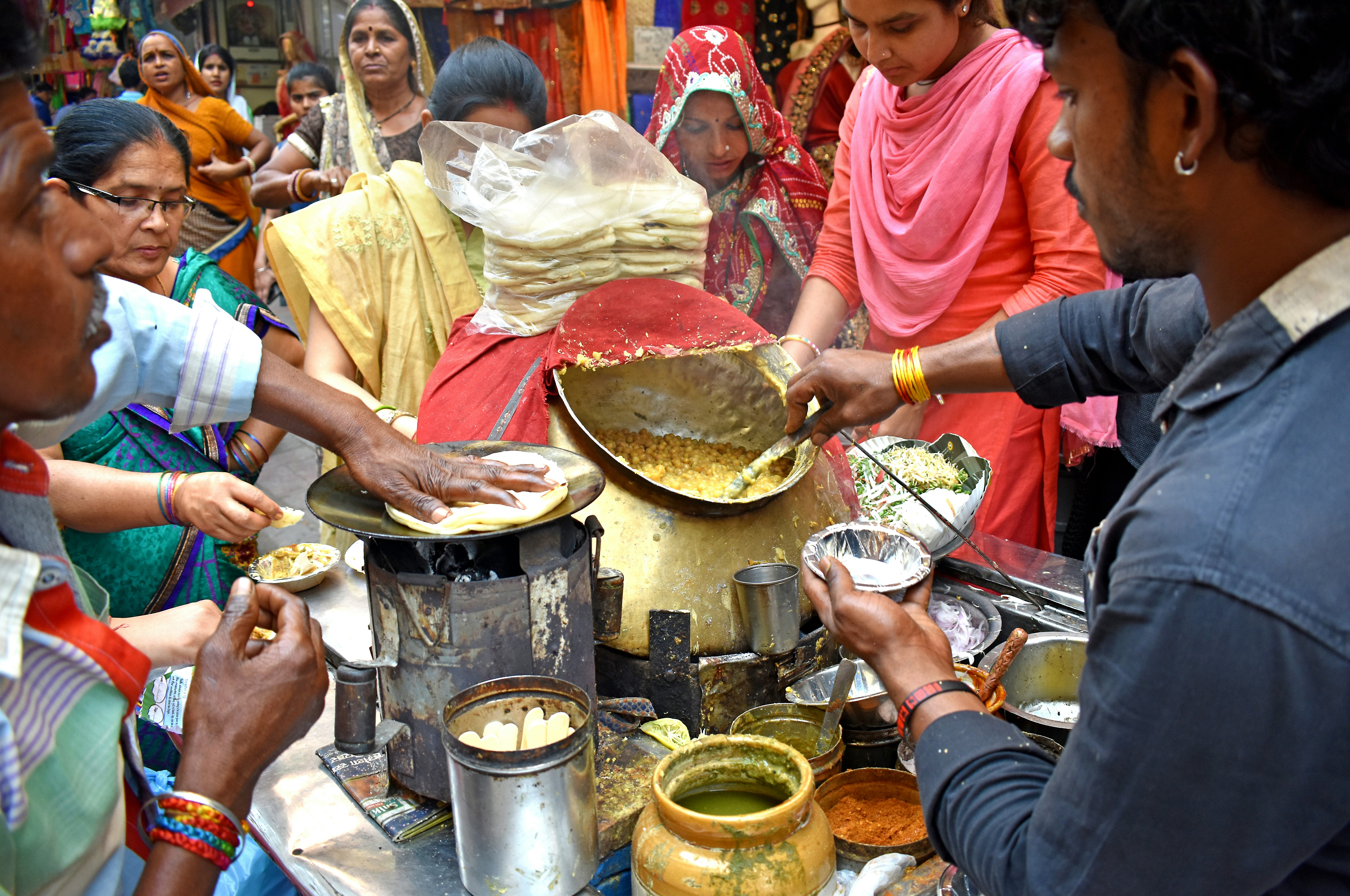
Let us be very direct about this: you do not simply "eat" in Chandni Chowk. You make plans. You pace yourself. You accept that you will be full for the rest of the day and eat anyway.
The most iconic address is Paranthe Wali Gali, a narrow lane dedicated almost entirely to the stuffed paratha. Shops here have been frying parathas for generations, stuffing them with everything from potato and onion to rabri and khoya. The parathas are generous, ghee-laden, and come with an assortment of chutneys and sabzis that make the whole thing deeply, comfortingly good.
As you wander, you will pass vendors making stuffed parathas sizzling on hot griddles, dosas with chutneys and sambar, samosas with a crispy golden exterior and a spiced potato-pea filling, and golgappa or pani puri.
One thing you absolutely must try is kulla chaat, a cold, sweet pineapple cup filled with pomegranate, boiled grams, masala, and lemon juice. It sounds strange. It is wonderful. The combination of sweet, tangy, and savoury is exactly what you need when you are hot, tired, and slightly overwhelmed by the lanes around you.
For something sweeter, head to Ghantewala, one of Delhi's oldest mithai shops, dating back to 1790, known for its sohan halwa and daulat ki chaat. And of course, if you are in Old Delhi, a kulfi from one of the many traditional vendors is non-negotiable.
The beauty of eating in Chandni Chowk is that almost everything is vegetarian, everything is cheap, and almost every vendor has been doing this for multiple generations. Fourth-generation food vendors are common here, each specialising in dishes their great-grandparents perfected. That is not a marketing line. That is just how Chandni Chowk works.
Monuments: History You Can Actually Walk Into
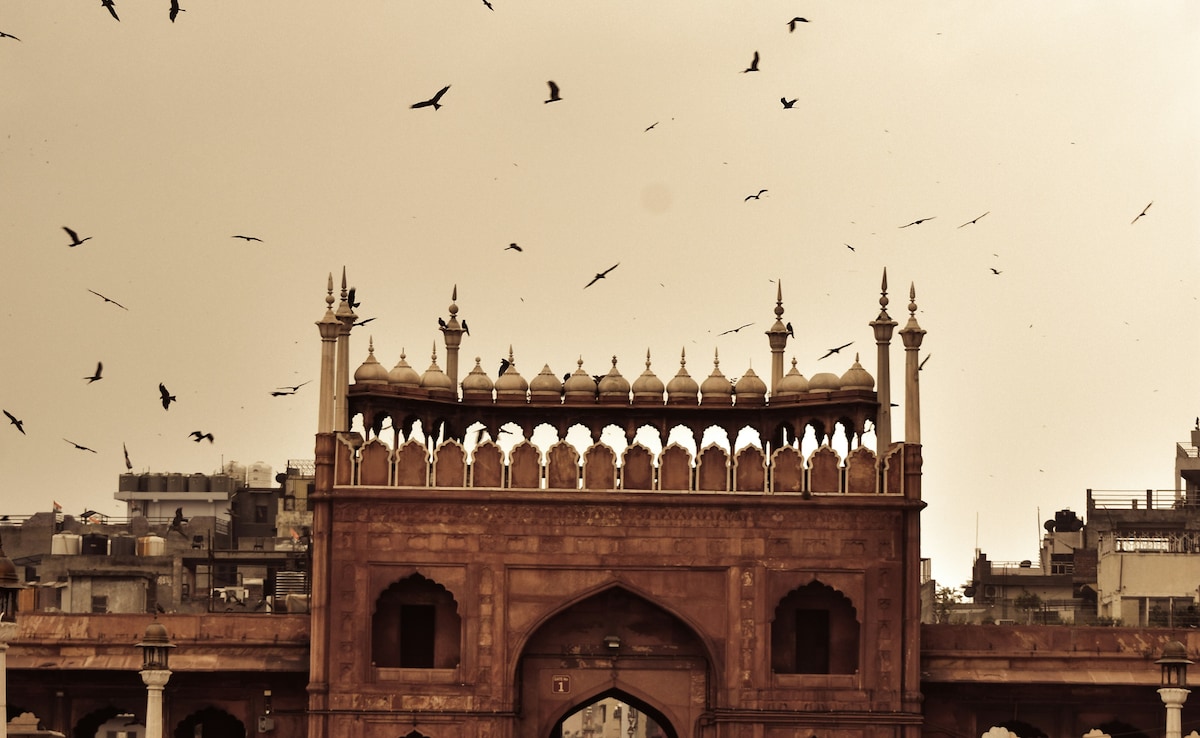
Chandni Chowk is not just a market; it's an open-air heritage site surrounded by Delhi's most significant historical landmarks. At one end stands the Red Fort, a UNESCO World Heritage Site built by Shah Jahan, which served as the Mughal emperors' residence until 1857. Its red sandstone walls and intricate designs captivate visitors, and on Independence Day, the Prime Minister addresses the nation from its ramparts, offering a moving experience.
Just five minutes away is Jama Masjid, one of India's largest mosques, also constructed by Shah Jahan in the 17th century. Its grand architecture and serene ambience contrast sharply with the bustling streets of Chandni Chowk, with a courtyard that accommodates over 25,000 worshippers. A visit here highlights the city's historical ambition.
Gurdwara Sis Ganj Sahib, a significant Sikh shrine, marks the site of Guru Tegh Bahadur's execution in 1675. It hosts a langar where volunteers serve free meals to thousands daily, offering a quietly profound experience.
Nearby, Sri Digambar Jain Lal Mandir, Delhi's oldest Jain temple, is dedicated to Lord Parshvanath and features a bird hospital, embodying Jain principles of non-violence. This unique temple is nestled in the heart of the market.
The havelis, grand Mughal-era mansions, are tucked into the lanes, showcasing intricate carvings and spacious courtyards. Despite economic shifts and urbanisation, their historical grandeur persists, and some families offer impromptu tours of these 300-year-old homes. This is Chandni Chowk, a blend of history and vibrant market life.
Also Read: 9 Most Expensive Museums And Art Galleries To Visit In The World
Why Chandni Chowk Still Matters
There's an India of glass malls with air conditioning, but Chandni Chowk offers a different experience, preserving Mughal Delhi's essence. It's a microcosm of India's diversity, where you can eat parathas from a family shop since 1875, browse Mughal-era silver jewellery, hear the azaan from Jama Masjid, receive langar at a Sikh gurdwara, and watch a Jain bird hospital. Despite being crowded, dirty, and chaotic, Chandni Chowk has survived Nader Shah, 1857, partition, and urban neglect. It's alive, adapting yet true to itself. Visit, get lost, eat, and bargain. You'll leave with an understanding of India that textbooks can't capture.
Track Latest News Live on NDTV.com and get news updates from India and around the world


