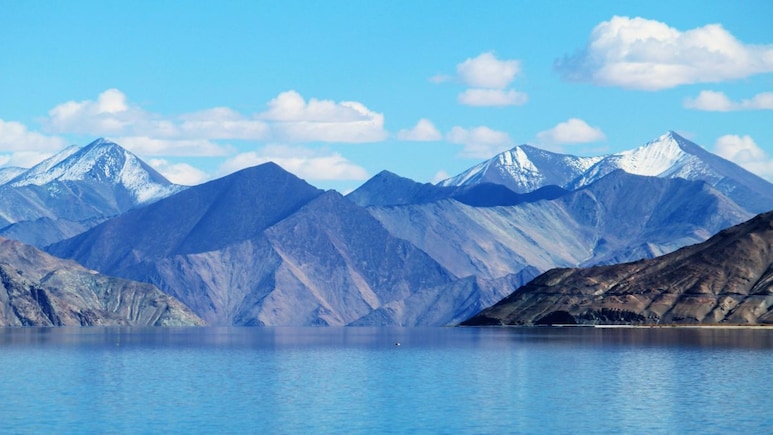
Ladakh has quietly shifted from a slow, contemplative Himalayan destination to a bucket-list stopover with packed viewpoints and traffic jams at mountain passes. But step just a little away from the obvious circuits, and the region still offers vast silences, long empty roads and moments where the landscape feels untouched. For travellers who value space over spectacle and depth over checklists, Ladakh can still be deeply rewarding — if you choose your experiences carefully. From monasteries that see more monks than tourists to villages where evenings pass without Wi-Fi or noise, these are some of the best ways to experience Ladakh without the crowds.
Also Read: Planning A Tiger Safari In India? Here's How To Choose The Right Destination
Here's What To Do In Ladakh For Travellers Who Hate Crowds
1. Spend Time In The Sham Valley Instead Of Nubra Or Pangong
Often called Ladakh's “apricot belt”, the Sham Valley lies west of Leh and sees far fewer tourists than Nubra or Pangong. Villages like Alchi, Tingmosgang and Skurbuchan are connected by good roads but remain largely overlooked. The pace here is slower, landscapes are gentler, and monasteries like Alchi see quiet footfall even in peak season. It's ideal for travellers who want walks through villages, riverside afternoons and heritage stays without convoy tourism or packed viewpoints. Check out @ud_chronicles' Instagram post to know what it looks like.
2. Visit Monasteries During Early Morning Or Evening Hours
Ladakh's monasteries are busiest between late morning and early afternoon. Visiting early morning or around evening prayer time changes the experience entirely. Monasteries such as Thiksey, Chemrey or Hemis feel more meditative when chants echo through near-empty halls. You're more likely to witness daily rituals rather than tourist movement. For crowd-averse travellers, timing matters as much as location — and these hours offer a far more intimate connection to Ladakh's spiritual rhythm.
3. Choose Hanle Over Pangong For Stargazing
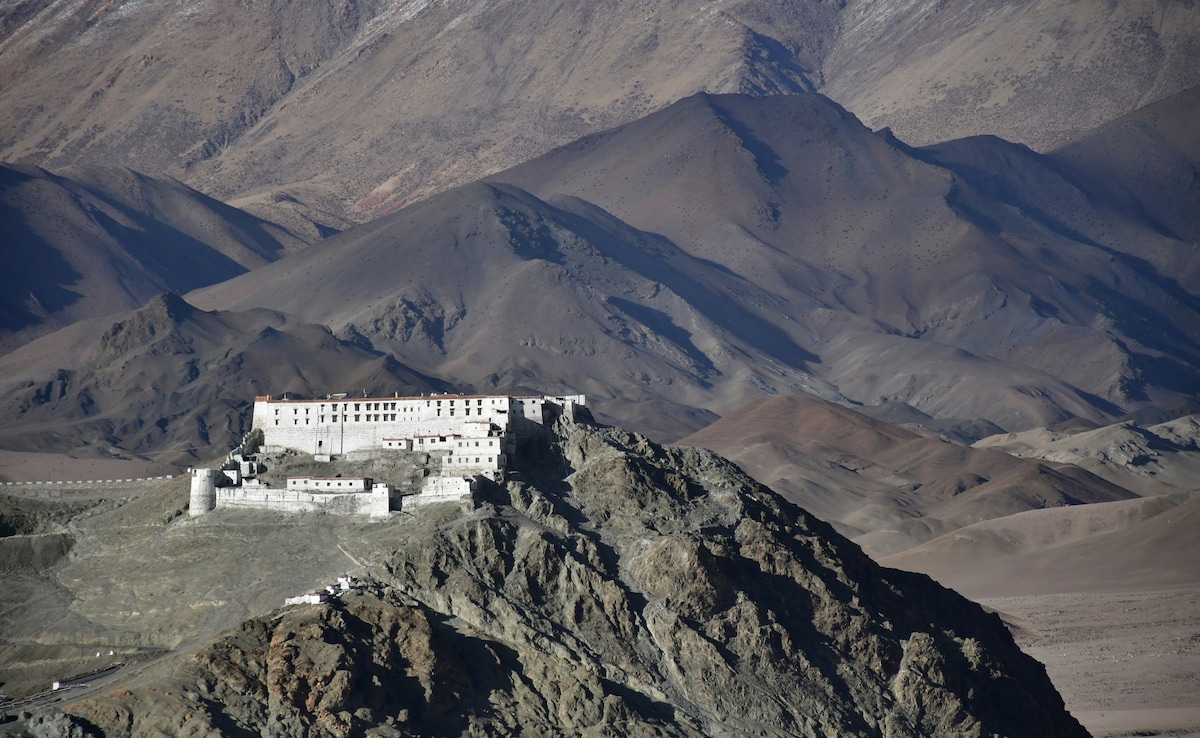
Photo: Unsplash
While Pangong Lake attracts large crowds during the day and night, Hanle remains one of Ladakh's quietest high-altitude villages. Home to the Indian Astronomical Observatory, Hanle offers some of the clearest night skies in the country with minimal light pollution. Evenings here are silent, vast and deeply immersive. Instead of shared bonfires and busy camps, you will experience solitude, cold desert skies and uninterrupted views of the Milky Way — without competing tripods.
4. Take Slow Village Walks In Less-Visited Settlements
Villages like Turtuk, Sumda Chun or Sakti reward travellers who enjoy walking without an agenda. Life unfolds slowly — locals tending fields, children walking home from school, prayer flags fluttering without interruption. There are no cafes or viewpoints demanding attention, just everyday Ladakhi life. For travellers who hate crowds, these unstructured walks often become the most memorable part of the trip, offering a sense of presence that fast-moving itineraries miss.
5. Travel During Shoulder Months Instead Of Peak Summer
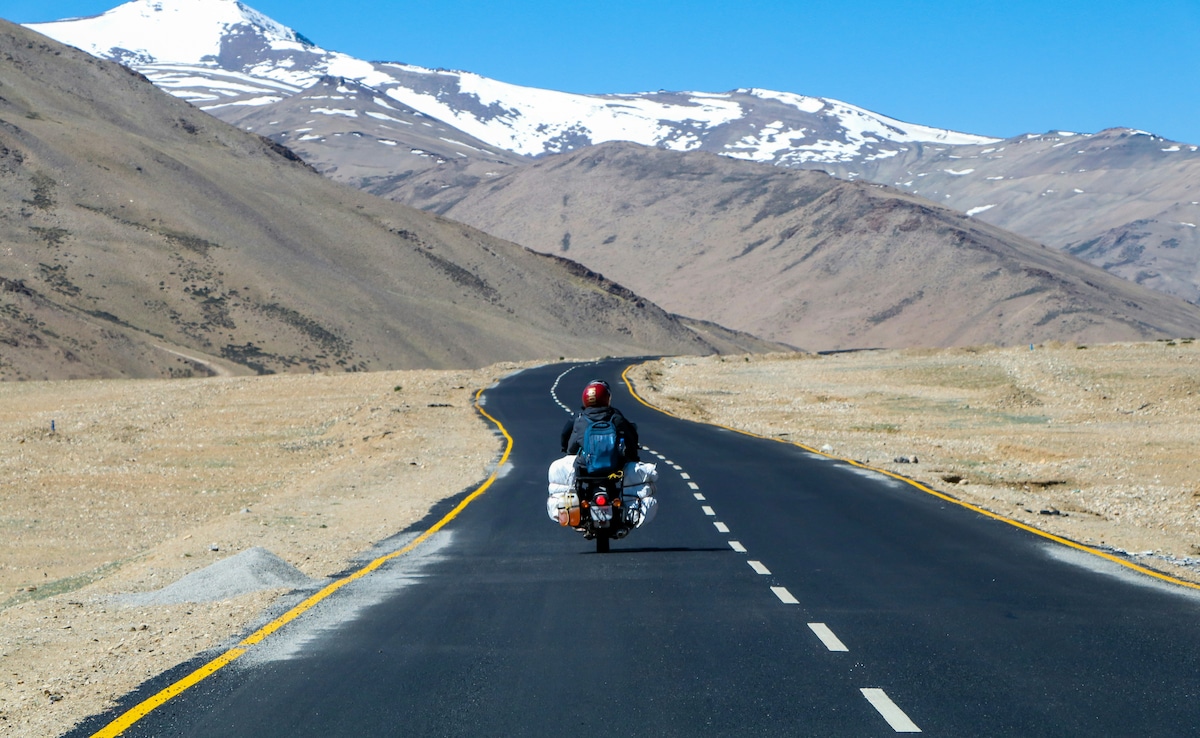
Photo: Unsplash
Late May, early June, or September are ideal for avoiding peak-season crowds. Roads are open, weather is stable, but tourist numbers drop significantly. Landscapes remain dramatic without the summer rush, and accommodation options are easier to secure. Wildlife sightings improve, monasteries feel quieter, and roads are less congested. If solitude matters more than ticking off every landmark, shoulder-season Ladakh offers the best balance of access and calm.
6. Stay In Homestays Rather Than Tourist Camps
Large camps near popular attractions tend to attract crowds, noise and fixed schedules. Homestays in villages like Phyang, Likir, or Nyoma offer a completely different experience. Evenings revolve around shared meals, conversations and early nights rather than generators and group dinners. These stays allow travellers to experience Ladakh at a human pace, away from tourist circuits, and with fewer people around — exactly what crowd-averse travellers look for.
Responsible Travel Tips for Sensitive, Low‑Tourism Areas
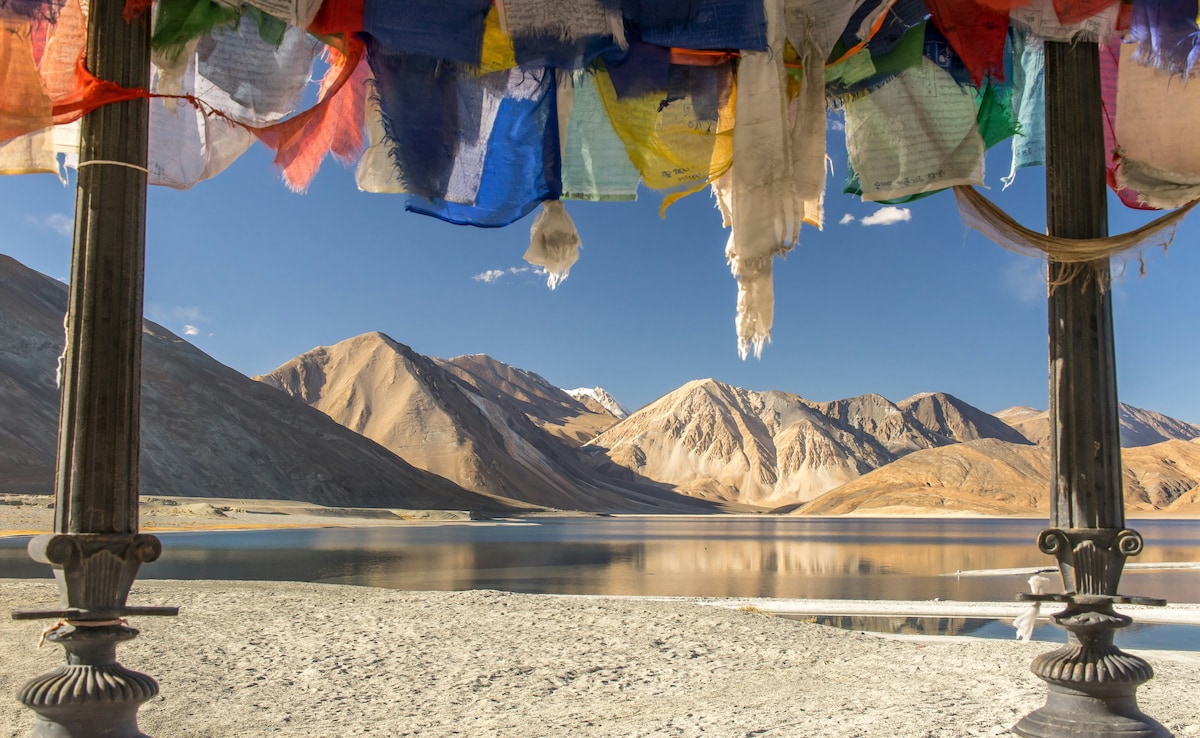
Photo: Unsplash
Remote parts of Ladakh are breathtaking, but they are also fragile - culturally, ecologically and socially. Travelling responsibly ensures these quiet places remain quiet, and that your presence has a positive impact instead of strain.
1. Keep Noise and Behaviour Low-Key
Quiet villages and monasteries value calm. Avoid loud conversations, speakers, drones or anything that disrupts the natural silence or local rituals.
2. Stay on Marked Paths and Protect Fragile Terrain
High‑altitude landscapes are easily damaged. Stick to designated roads and trails, avoid off‑roading, and never cut across fields or soft desert ground.
3. Respect Local People, Customs And Photography Norms
Always ask before taking photos of people or religious spaces, dress modestly in traditional villages, and follow monastery etiquette like removing shoes and avoiding flash or intrusion.
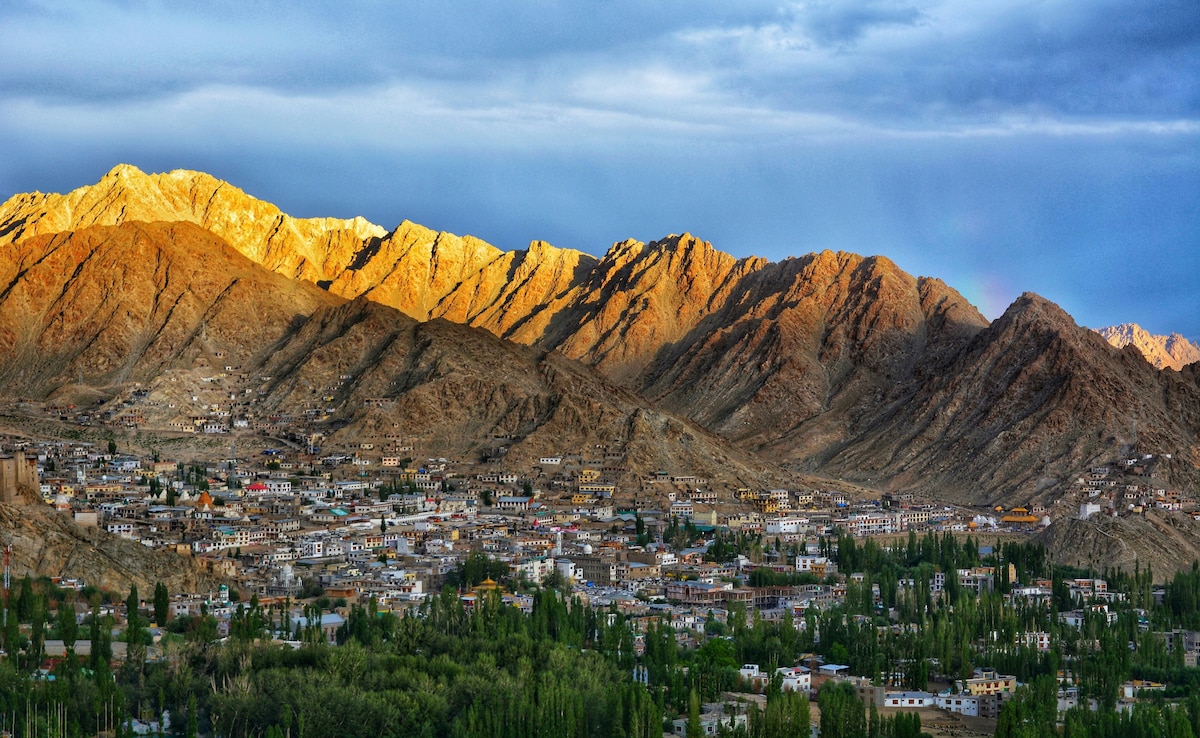
Photo: Unsplash
4. Minimise Resource Use: Water, Electricity And Waste
Remote areas have limited resources. Take short showers, avoid unnecessary laundry, switch off lights, and carry your waste back to areas with proper disposal.
5. Support Local Communities Meaningfully
Choose homestays, eat at family-run kitchens, hire local guides, and buy authentic crafts. Your spending directly sustains villages that rely on low-volume, responsible tourism.
Also Read: 6 Stunning Hill Stations Perfect For A February Getaway
So, what are you waiting for? Plan a trip to Ladakh today!
Track Latest News Live on NDTV.com and get news updates from India and around the world


