





Scientists and adventurers have long debated which creature delivers the world's most agonising sting. The answer, it turns out, depends entirely on whether you are on land or at sea.
The Man Who Got Stung for Science
According to BBC, entomologist Justin Schmidt spent decades building a sting pain index, voluntarily subjecting himself to over 96 insect species. His four-tier scale reserved the top rank for just three insects: the bullet ant, whose sting can last 24 hours; the tarantula hawk wasp; and the warrior wasp of Central and South America.
The YouTube Adventurer Who Went Further
YouTube personality Coyote Peterson later added two more contenders to the top tier. The Japanese giant hornet struck him with the force of a boxer's punch, while the executioner wasp left a permanent scar on his forearm, its venom eating into his flesh. Peterson considers the executioner wasp his all-time worst.
The Tiny Jellyfish That Inspires Pure Terror
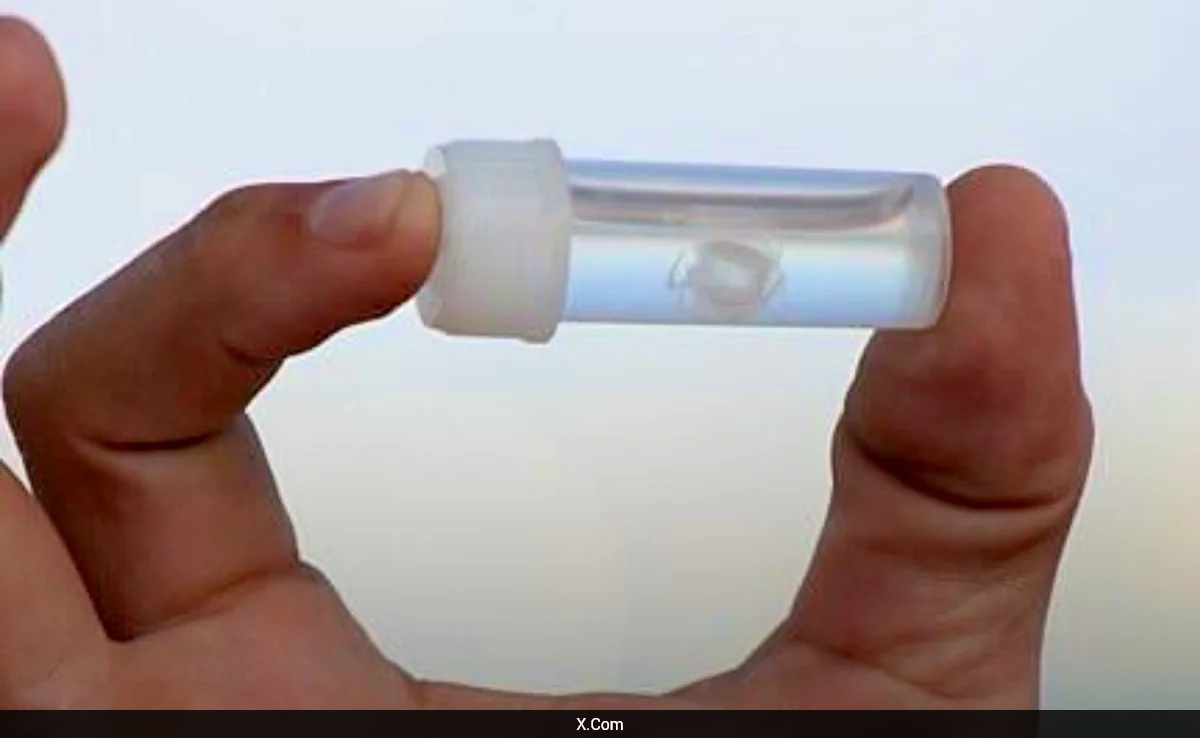
In the sea, the stakes are far deadlier. The Irukandji jellyfish, no bigger than a thimble, produces a venom so potent that victims develop an overwhelming sense of impending death. Sufferers have reportedly begged doctors to end their lives. Symptoms include violent cramps, relentless vomiting, and drenching sweats lasting up to 24 hours, treated only with strong painkillers such as morphine.
And the Winner Is...
Experts agree that no responsible direct comparison between land and sea stingers is possible. Deliberately seeking an Irukandji sting risks brain haemorrhage and heart failure. For now, the executioner wasp reigns on land, while the Irukandji jellyfish remains the undisputed and terrifying champion of the seas.
Track Latest News Live on NDTV.com and get news updates from India and around the world

