





A new look at primate evolution suggests that the festive feeling many people get from a glass of wine may be rooted in ancient behavior. Scientists say our attraction to alcohol can be traced back to primate ancestors who lived nearly 50 million years ago and actively searched for naturally fermented fruits.
These fruits contained ethanol, which gave off a strong smell and offered both sugars and calorie-rich alcohol. Over millions of years, primates developed the ability to metabolize alcohol. According to a reasearch by University of California, about 10 million years ago, a key mutation allowed African apes including the common ancestors of humans, chimpanzees and gorillas to process alcohol 40 times more efficiently than earlier primates.
According to Nathaniel Dominy, an anthropology professor at Dartmouth College, this gave early apes an advantage in finding and eating fermented fruit. When agriculture began around 10,000 years ago, humans started producing alcohol intentionally. "Our brains are wired to like it," Dominy explained.
Robert Dudley of the University of California, Berkeley, developed the "drunken monkey hypothesis" about 25 years ago to explain how these evolutionary traits continue to influence modern drinking habits. He says today's health problems related to alcohol stem from a mismatch between ancient biology and the wide availability of alcoholic beverages.
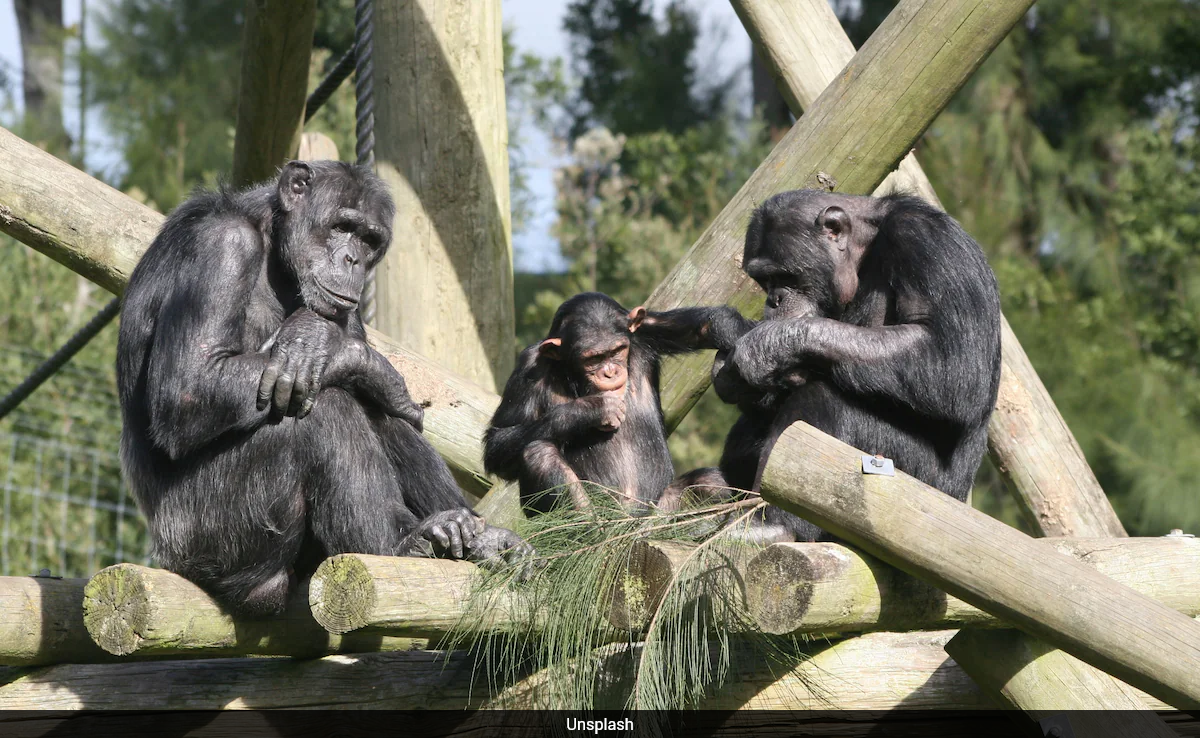
According to a recent research paper published in BioScience, wild chimpanzees in parts of West and East Africa routinely consume fermented fruits equal to about 1.4 to 1.5 alcoholic drinks a day. While they do not appear to get drunk, their group feeding behavior-known as "scrumping"-resembles human social gatherings.
According to a September study published in Science Advances, researchers found that chimpanzees consume over 10 pounds of ripe fruit daily, more than one-tenth of their 90-pound body weight. This fruit contains approximately 14 to 15 grams of naturally occurring alcohol.
Scientists have observed apes becoming more social and sometimes more daring when eating these fruits. Some communities even share fermented fruits, suggesting that alcohol may influence bonding among apes, similar to humans.

