





Scientists and Indigenous guides have found a new frog in the forests of South America. The discovery was made in Peru, and experts say the small animal may already be in danger because its forest home is shrinking, reported People.com. A team of Peruvian and French scientists visited the cloud forest of the San Martin region of Peru. They were assisted by indigenous guides on this expedition. It was there that they discovered a new species of frog. The frog has now been named Oreobates shankusacha, and its discovery has been published in the scientific journal Salamandra.
Although this frog is completely new to science, experts already fear that the species may be on the verge of extinction.
This frog is named in honour of Peru's indigenous communities. In the Kichwa-Lamista language, shanku sacha means "heart of the forest." This name reflects the deep connection the people and the forest have with the area where this frog was found.
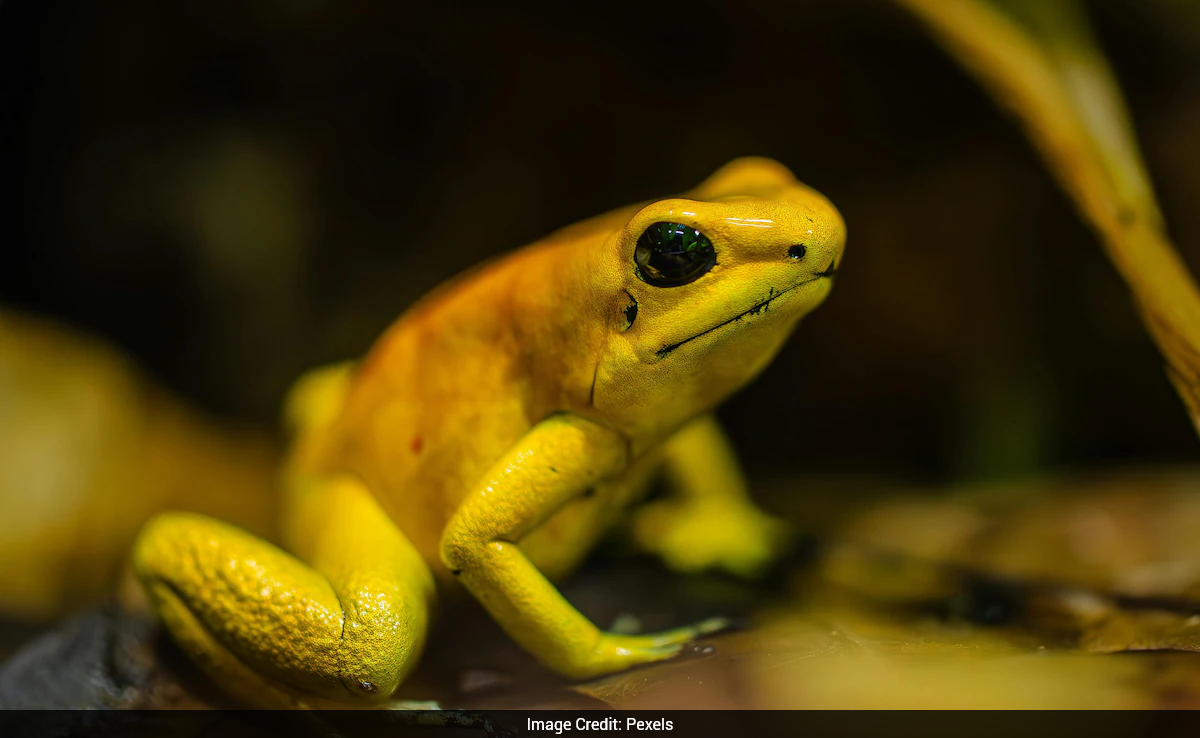
Researchers from Nature Conservation Action and the Ararancha Association - Ecology and Conservation discovered this frog on the Amazon forest floor. It is about an inch long and easily hides among dry leaves. It is dark brown in colour and has golden eyes.
These frogs usually come out at night and move about on the ground covered with leaves, moss, and ferns.
This species lives in cloud forests, which are located at altitudes exceeding 4,430 feet above sea level. These forests are spread across different hills, resembling islands where unique and distinctive fauna are found.
Scientists say that Oreobates shunkuscha should be considered endangered. The biggest threats to it are deforestation and its limited range.
According to reports, approximately 60 percent of the forest in this region has already been destroyed due to coffee cultivation, cattle grazing, and illegal logging. This new frog species is now in critical danger due to the rapid loss of its natural habitat.
Track Latest News Live on NDTV.com and get news updates from India and around the world

