





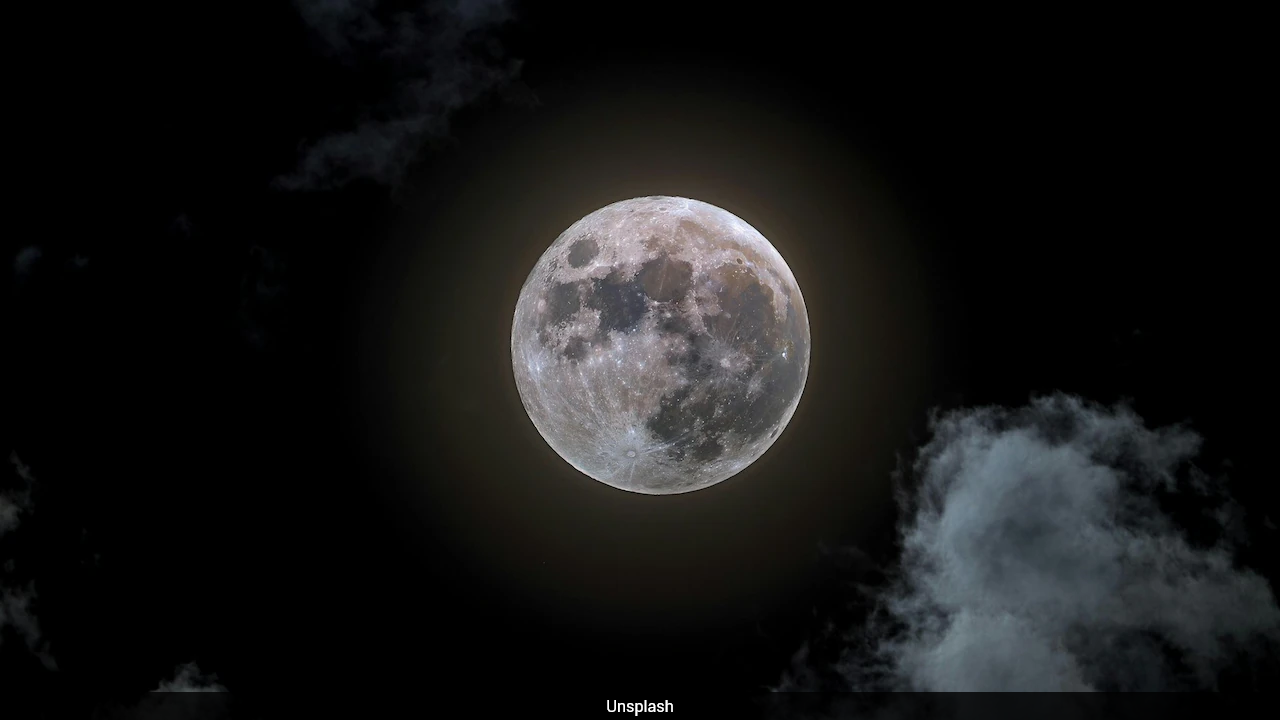
The next lunar eclipse will take place on 20 and 21 February 2027 and will be a penumbral lunar eclipse, according to NASA and Time and Date. This comes after the deep partial lunar eclipse of 28 August 2026, which was widely seen across the Americas, Europe, Africa and western Asia but was not visible from India.
Date and timing
The penumbral eclipse will begin at 21:12 UTC on 20 February 2027, reach its peak at around 23:12 to 23:13 UTC, and end at 01:13 UTC on 21 February, as reported by NASA data. The event will last 240 minutes and 59 seconds in total, with a Saros cycle of 143, according to Starlust. In Indian Standard Time, this converts to roughly 2:42 am on 21 February for the start, about 4:42 am for the point of greatest eclipse, and around 6:43 am for the end.
Visibility in India
According to The Sky Live, from India, including New Delhi, the entire eclipse will be visible from start to finish, since it falls during the early hours before dawn. However, sky watchers should note that a penumbral eclipse is a subtle event. The Moon will only pass through Earth's faint outer shadow, known as the penumbra, and not its darker inner shadow, the umbra. This means the dimming of the Moon will be gentle and easy to miss without close observation, unlike a dramatic blood moon.
Visibility across the world
According to NASA, the eclipse will be visible from the Americas, Europe, Africa, Asia and Australia, although the exact experience will depend on local time zones. Broadly, it will be seen from western parts of Europe, northern parts of Asia, much of Australia, north western Africa, North America, South America, the Pacific, the Atlantic and Antarctica.
What is a penumbral lunar eclipse
A penumbral lunar eclipse happens when the Moon moves through the outer edge of Earth's shadow. This region receives less blocking of direct sunlight than the darker umbra, so the lunar surface experiences only a slight reduction in brightness. Earth's deeper shadow will not cover the Moon during this event, so the curved silhouette normally seen during partial or total eclipses will not appear. This February event will coincide with the full Snow Moon, a name traditionally linked to the cold conditions of the month in the Northern Hemisphere.
Viewing tips
According to eclipse trackers, a lunar eclipse of any kind is completely safe to view with the naked eye, unlike a solar eclipse, and no special glasses or filters are needed. Observers are advised to find a clear view of the sky, avoid bright lights and screens beforehand to help their eyes adjust, and use binoculars or a small telescope for a closer look, though this is not essential for a penumbral event.
Track Latest News Live on NDTV.com and get news updates from India and around the world

