





- The Eta Aquariid meteor shower peaks overnight on May 5-6 with bright meteors visible before dawn
- Mars, Saturn, and the crescent moon align in the eastern sky during early mornings of May 12-14
- New moon on May 16 provides dark skies ideal for observing the Milky Way and distant galaxies
The night sky this May is set to offer a series of striking celestial sights, giving skywatchers several chances to witness planets, moons and meteor showers in action. From bright full moons to rare alignments, the month promises a busy calendar for astronomy enthusiasts, reported National Geographic.
The Eta Aquariid meteor shower, which is visible from April 19 to May 28 and peaks overnight from May 5 to 6. Known for fast and bright meteors with lingering trails, the shower can produce up to a few dozen streaks per hour, especially in the Southern Hemisphere. However, a waning gibbous moon this year may wash out all but the brightest meteors, though patient observers may still spot some before dawn.
In the early hours of May 12 and 13, an alignment of Mars, Saturn and the crescent moon will be visible in the eastern sky. The three will line up just above the horizon about an hour before sunrise and rise higher as morning approaches. A similar formation can also be seen on May 14, when the moon appears as a thin crescent.
Mid-month brings one of the best opportunities to observe the Milky Way. Around May 16, the new moon will ensure darker skies, allowing the Milky Way core to shine more clearly from around 11 pm until the early morning. This period is also suitable for viewing distant galaxies like the Whirlpool Galaxy and the Sombrero Galaxy through telescopes.
On the evening of May 18, just after sunset, the crescent moon and Venus will appear close together above the western horizon and remain visible for about two hours. Mercury and Jupiter can also be spotted nearby once the sky darkens.
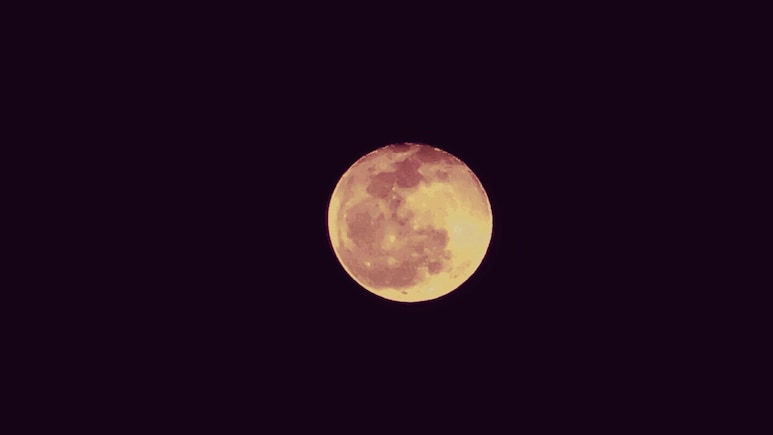
The month ends with a rare second full moon on May 31, often referred to as a "blue moon." This term does not mean the moon will appear blue, instead, it describes the occurrence of two full moons within a single calendar month. Under certain atmospheric conditions, such as the presence of volcanic ash, the moon may appear bluish, but this is uncommon.
Throughout May, Jupiter will also help observers locate the constellation Gemini, as it appears near its brightest stars, Pollux and Castor, in the western sky. At the same time, Jupiter and Venus will gradually move closer together, appearing within 40 degrees at the start of the month and narrowing to about 14 degrees by the end. Mercury will also become more visible later in the month as it moves toward its greatest eastern elongation.
With a mix of lunar events, planetary alignments and meteor activity, May offers multiple opportunities for stargazers to explore the night sky.
Track Latest News Live on NDTV.com and get news updates from India and around the world

