





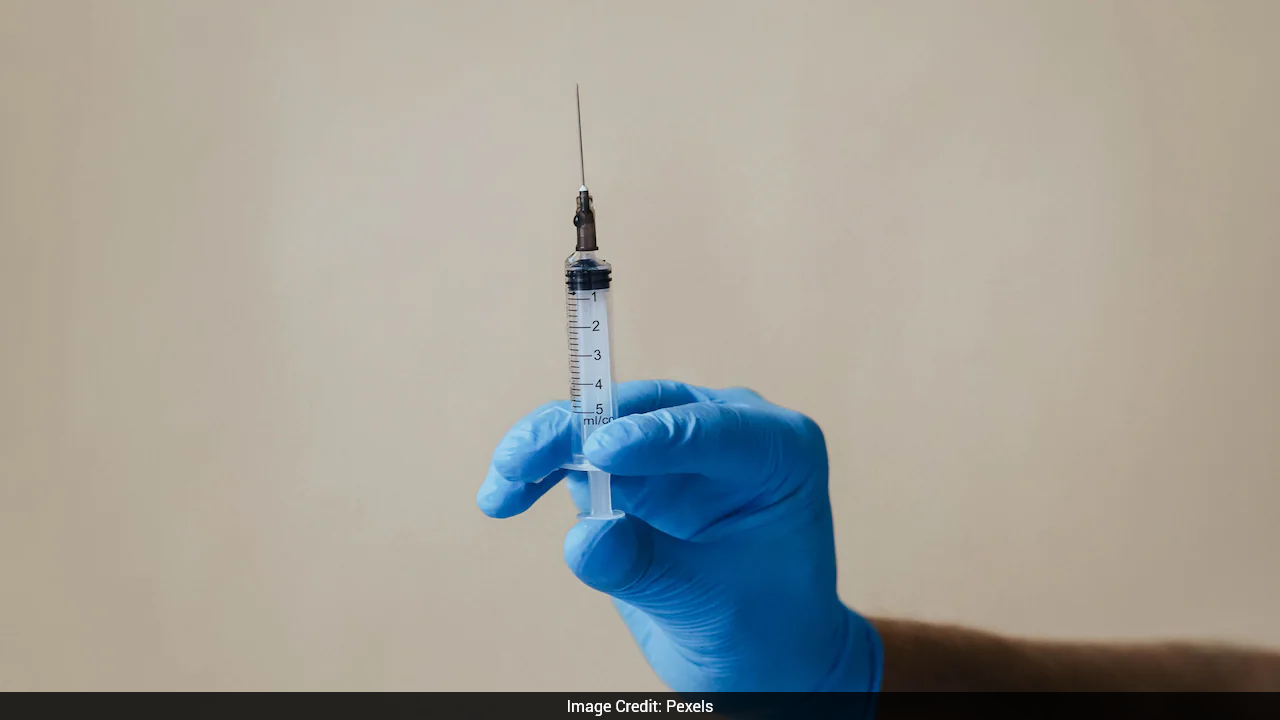
Artificial intelligence is helping scientists develop a new generation of vaccines that could offer protection against a wide range of viruses and potentially help prevent future pandemics. Researchers say the technology has already been used to create and test a vaccine designed to protect against multiple coronaviruses, reported BBC.
A team at the University of Cambridge has developed what it describes as a fundamentally new type of vaccine. According to the researchers, this is the first time that a vaccine's key component, known as an antigen, has been designed entirely by artificial intelligence and then tested in human volunteers.
The vaccine has been engineered to work against all coronaviruses, including different Covid variants as well as coronaviruses that currently infect animals but could potentially spread to humans in the future. While the research is still in its early stages, the team is already working on similar vaccines for influenza and Ebola.
Vaccines train the immune system to recognise and fight infections. However, some viruses mutate frequently, changing their appearance and making existing vaccines less effective over time. This is one reason why Covid-19 and seasonal flu vaccines need regular updates.
Professor Jonathan Heeney of the University of Cambridge said scientists are often trying to catch up with viruses after they have already changed. He said the aim of the new approach is to get ahead of the curve and create protection against future outbreaks before they occur.
Instead of designing a vaccine based on a currently circulating virus, the Cambridge researchers used genetic codes collected from a variety of coronaviruses identified through surveillance programmes that monitor potential viral threats.
These genetic codes were analysed using artificial intelligence. The AI system then created a "super-antigen" designed to train the immune system to recognise and respond to a broad family of coronaviruses, including viruses that may mutate or cross from animals to humans.
Antigens are a crucial part of vaccines because they teach the immune system what to attack. Professor Heeney said this was the first time an AI-designed antigen had been tested in people. He added that the technology was surprising researchers and demonstrating what artificial intelligence can achieve for the benefit of humanity.
He said the project is focused on developing vaccines that not only protect against current viruses but also against infections that could cause future outbreaks.
The first human trial involved 39 participants and was designed to evaluate the safety of the vaccine. A second study involving around 200 people is expected to provide more information about how effectively the vaccine trains the immune system.
According to findings published in the Journal of Infection, the vaccine's impact on the immune system was described as modest. However, researchers and experts say the results remain encouraging.
Professor Saul Faust, who conducted some of the trials at the University of Southampton, said the AI-designed vaccine definitely has potential and described the work as exciting.
Scientists are also investigating vaccines for viral haemorrhagic fevers, including Ebola. Researchers noted that the current outbreak in the Democratic Republic of Congo is being caused by an Ebola species for which a vaccine has not yet been developed.
Professor Andy Pollard, director of the Oxford Vaccine Group, said the approach has produced compelling evidence in animal studies. He said the findings are fascinating because many researchers would not have expected such immune responses. However, he added that the real test will come from human trials because human immune systems differ significantly from those of laboratory animals.
Professor Pollard also said artificial intelligence is likely to become a game changer for vaccine research. He said AI tools could help predict how the immune system will respond to vaccines, speeding up development and ultimately saving lives.
Track Latest News Live on NDTV.com and get news updates from India and around the world

