





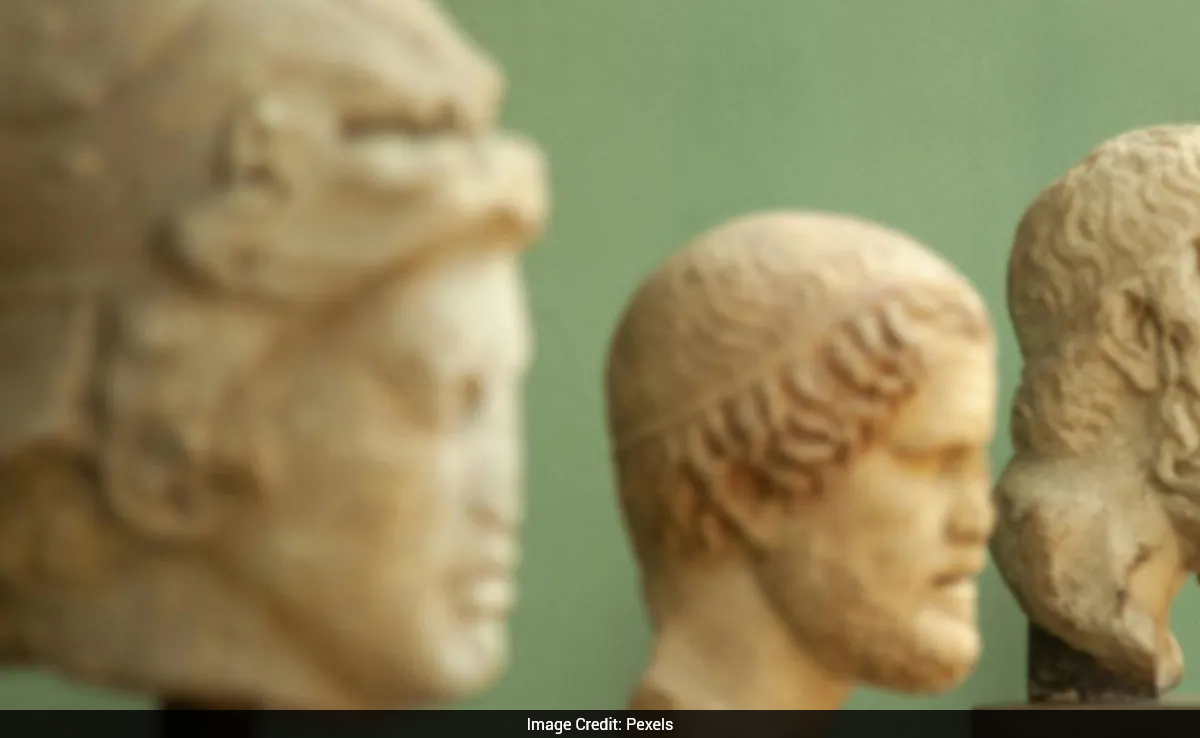
- The Tecacix-Calixtlahuaca Head is a Roman-style terracotta statue found in Mexico in 1933
- Thermoluminescence dating suggests the artefact dates between 9th century BC and 13th century AD
- The tomb containing the statue dates from 1476 to 1510 AD, predating Hernan Cortes' arrival
A surprising archaeological discovery in Mexico has sparked debate among researchers about early contact between different parts of the world. The finding of a Roman-style artefact has raised questions about whether people from Europe may have reached the America long before Christopher Columbus, reported NyPost.
This artefact, known as the Tecacix-Calixtlahuaca Head, is a terracotta statue of a bearded man. It was discovered in 1933 by Mexican archaeologist Jose Garcia Payon near Mexico City.
The statue was found in a sealed tomb beneath three protected floor layers of a pyramid-like structure. It was buried alongside pottery remains, gold jewellery, bone objects, and pieces of rock crystal.
Dating And Identification
In 1961, Austrian anthropologist Robert Heine-Geldern estimated that the artefact could date back to around 200 BC. Subsequently, in 1990, German archaeologist Bernard Andreae confirmed its definitive Roman origin. He noted that the hairstyle and beard pattern matched those of rulers of the Severan period.
To determine the age of this object, scientists used thermoluminescence dating. This process involves heating an object and measuring the light emitted by the energy stored within it. This suggests that the artefact dates back to between the 9th century BC and the 13th century AD, well before Columbus's arrival in the America in 1492.
Burial Timeframe
The tomb in which the statue was found is dated to between 1476 and 1510 AD. This period predates the arrival of Spanish conquistador Hernan Cortes in Mexico in 1519.
The most pressing question remains as to how this Roman-style statue reached a sealed tomb in Mexico. Some experts believe it arrived there during early European expeditions or the Spanish conquest and later became part of local burial traditions.
Other researchers suggest the object may have arrived inadvertently via ocean currents. They believe a Roman, Phoenician, or Berber ship may have crossed the Atlantic to the American coast, from where people carried the object into the interior.
However, no concrete evidence of ships, settlements, or other objects has been found in the America to support such a voyage.
Some scholars even suggested that the statue may have been placed there during excavations. It also emerged that Jose Garcia Payon was not present at all times during the excavations and did not maintain detailed field notes.
This unusual discovery raises important questions about how archaeologists interpret objects that conflict with prevailing historical beliefs. For a long time, it was believed that Europeans did not reach the America before Columbus.
But this belief began to change when evidence of Norse settlements was discovered at L'Anse aux Meadows in Newfoundland, dating back to 1021 AD.
Track Latest News Live on NDTV.com and get news updates from India and around the world

