



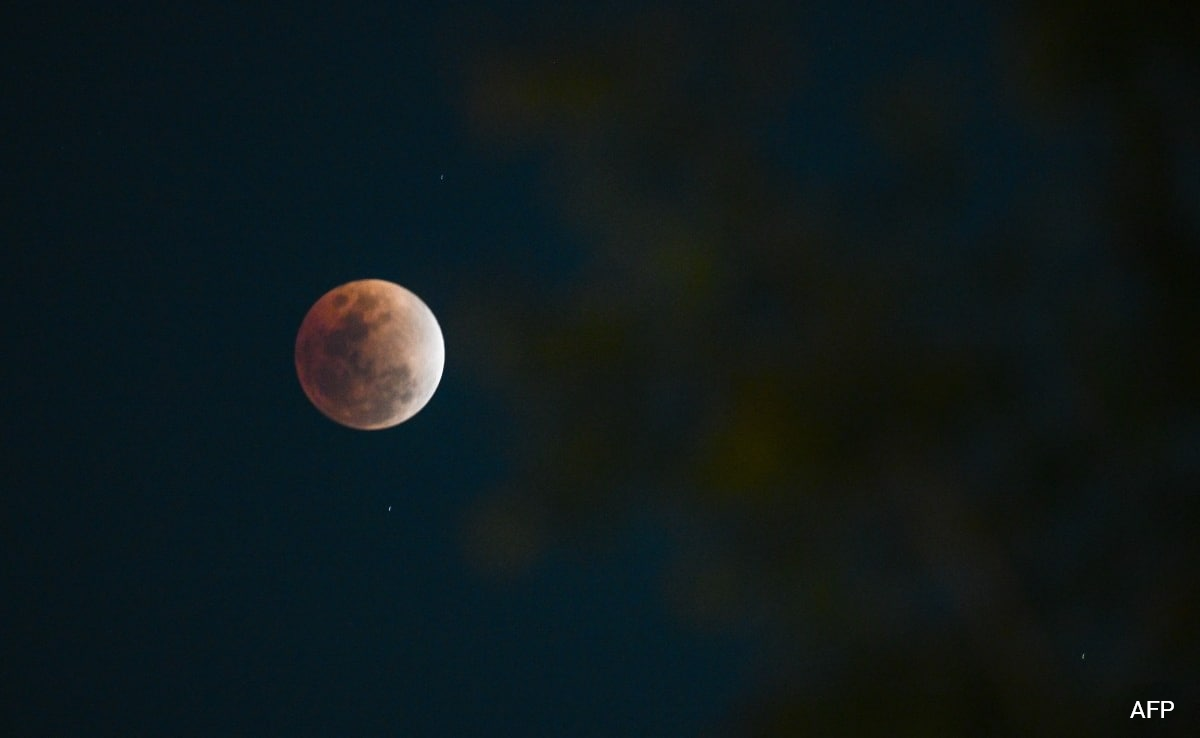
Skywatchers around the world are turning their eyes to the sky (night sky in some regions) as a lunar eclipse, also known as Chandra Grahan, unfolds. During this celestial event, the Earth moves directly between the Sun and the Moon, casting its shadow over the lunar surface and creating one of the most striking astronomical sights visible from Earth.
For those who cannot see the event due to weather conditions or location, we are streaming the celestial phenomenon live, offering viewers a close look at the "Blood Moon".
Lunar Eclipse 2026 | Watch Live Here:
Watch LIVE | Visuals of #LunarEclipse from across the world#BloodMoon https://t.co/oH5VXfKZEL
— NDTV (@ndtv) March 3, 2026
Unlike a solar eclipse, a lunar eclipse can be safely viewed with the naked eye. As the eclipse progresses, the Moon may gradually darken and, during the peak phase, take on a reddish or copper hue - a phenomenon often called the "Blood Moon." According to observations and eclipse data shared by NASA, this colour appears when sunlight passing through Earth's atmosphere bends and filters onto the Moon.
The lunar eclipse is expected to be visible across several regions, depending on local time zones and sky conditions.
Viewers around the world are sharing images and reactions online, turning the night sky into a global event for astronomy enthusiasts.
Former Director (Research and Academic) at MP Birla Planetarium, Dr Debinrosad Duari, said that Tuesday's eclipse is a total lunar eclipse, but skywatchers in India will only be able to witness a partial phase as the Moon will be below the horizon during the full eclipse.
In the Indian context, the visibility of the eclipse will vary by region. Most places in the country will observe the ending phase of the lunar eclipse at the time of moonrise. However, in parts of North-East India and the Andaman and Nicobar Islands, the end of the totality phase will also be visible.
Track Latest News Live on NDTV.com and get news updates from India and around the world

