





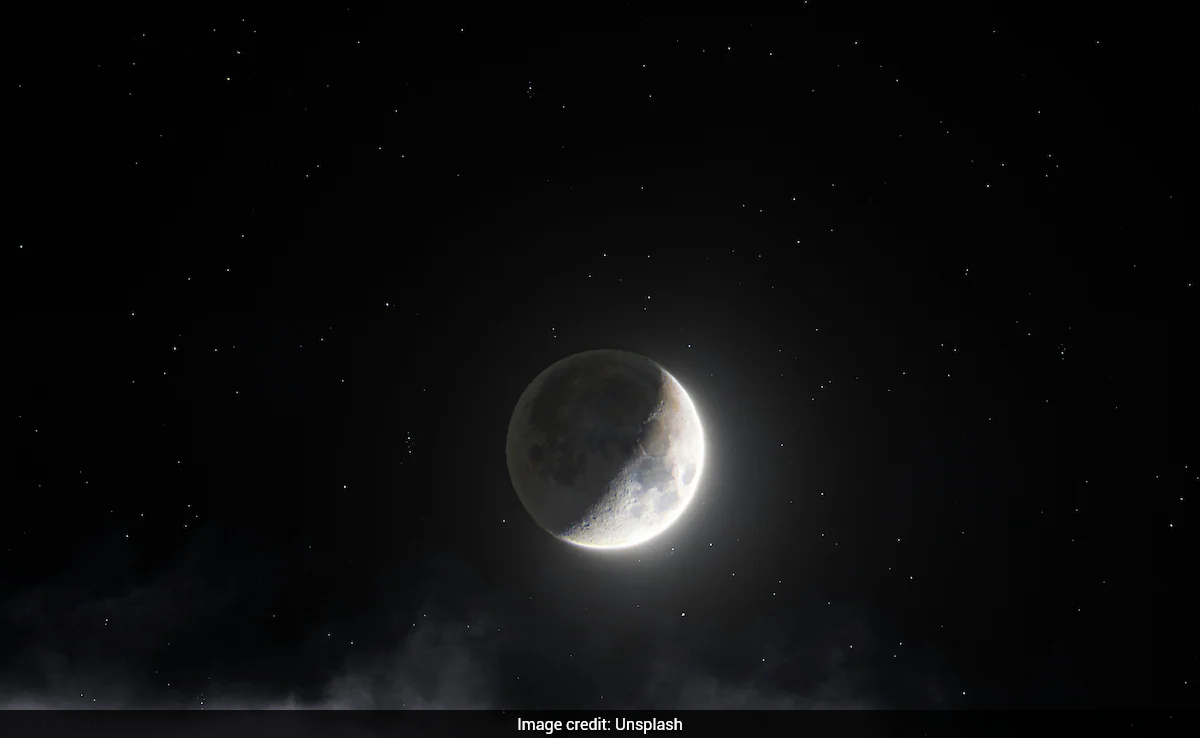
Skywatchers around the world are preparing to witness a lunar eclipse, also known as Chandra Grahan in India, as the Moon passes through Earth's shadow in a rare celestial alignment. A lunar eclipse occurs when the Earth comes directly between the Sun and the Moon, casting its shadow over the lunar surface. Depending on how deeply the Moon enters the shadow, the event may appear as a total, partial, or penumbral lunar eclipse.
Lunar Eclipse 2026 (Chandra Grahan): Date and Timings
According to astronomical predictions from agencies such as NASA, the lunar eclipse will take place overnight, with different phases visible across various parts of the world. Here's what students need to know.
India Meteorological Department (IMD) said in a tweet, "Most of the places of India will observe the ending of the lunar eclipse at the time of moonrise except some places of North-East India and Andaman and Nicobar Islands where the end of the totality phase of the eclipse will also be visible."
Key Timings (in IST):
- Eclipse Begins: 15:20 (3:20 PM)
- Totality Starts: 16:34 (4:34 PM)
- Totality Ends: 17:33 (5:33 PM)
- Eclipse Ends: 18:48 (6:48 PM)
During the peak phase, the Moon may take on a reddish tint - a phenomenon often referred to as a "Blood Moon".
Where Will The Lunar Eclipse Be Visible?
The eclipse will be visible across several regions including parts of Eastern Asia, Australia, and the Americas, along with India although the clarity of viewing will depend on weather conditions and the Moon's position in the sky.
However, Dr Debinrosad Duari, former director (research and academic) at MP Birla Planetarium, said that skywatchers in India will only be able to witness a partial phase as the Moon will be below the horizon during the full eclipse.
"The full eclipse will mainly be visible from North America, Australia, and the Pacific," he told news agency ANI.
Unlike a solar eclipse, a lunar eclipse can be safely viewed with the naked eye. Astronomers recommend observing it from a location with minimal light pollution for the best experience.
Why Lunar Eclipses Turn The Moon Red
During a total lunar eclipse, sunlight passing through Earth's atmosphere bends and filters onto the Moon. Shorter wavelengths of light scatter, while red and orange hues reach the lunar surface, giving the Moon its distinctive copper colour.
Chandra Grahan And Cultural Significance
In India, the lunar eclipse also carries cultural and religious significance. Many people observe traditional practices such as fasting or avoiding certain activities during the Chandra Grahan period.
Prominent temples across Uttar Pradesh, including the Ram temple in Ayodhya, Kashi Vishwanath temple in Varanasi, Shri Krishna Janmabhoomi temple and the Vindhyavasini temple in Mirzapur, were closed on Tuesday in view of the lunar eclipse and will reopen in the evening after rituals.
Track Latest News Live on NDTV.com and get news updates from India and around the world

