"In my early 20s, I had a sudden episode of severe back pain and stomach ache. The pain was unbearable. So much so that I was rushed straight to Emergency. After what felt like endless blood tests, two ultrasounds, and multiple consultations, doctors finally concluded that it was a UTI. But during one of those ultrasounds, the doctor casually added another diagnosis," recalls Divya Sharma, a 25-year-old, working professinal from Noida.
"Oh, you also have PCOS," Divya's doctor told her.
Then came the follow-up that stayed with her far longer than the pain itself.
"Are you married? You should get married early and think of having kids sooner, or else it will be a problem for you," the doctor said, as she laid on the hospital bed, stunned.
Divya says, she was 23. The idea of marriage, let alone children, felt absurd to her at that point in her life. "In that moment, it felt like someone had already mapped out my future based on an ultrasound report," she said.
"That was my first introduction to Polycystic Ovary Syndrome, or PCOS. And over time, I realised how common that story is among Indian women," she says.
The Default Solution: Pills And Restrictions
For many women, the moment PCOS enters the conversation, medication follows. Combined Oral Contraceptives, or COCs, are often prescribed to regulate periods. Along with them come warnings about lifestyle choices and a long list of side effects of the pills: breakthrough bleeding, headaches, nausea, breast tenderness, bloating, mood changes, weight gain, and reduced libido.
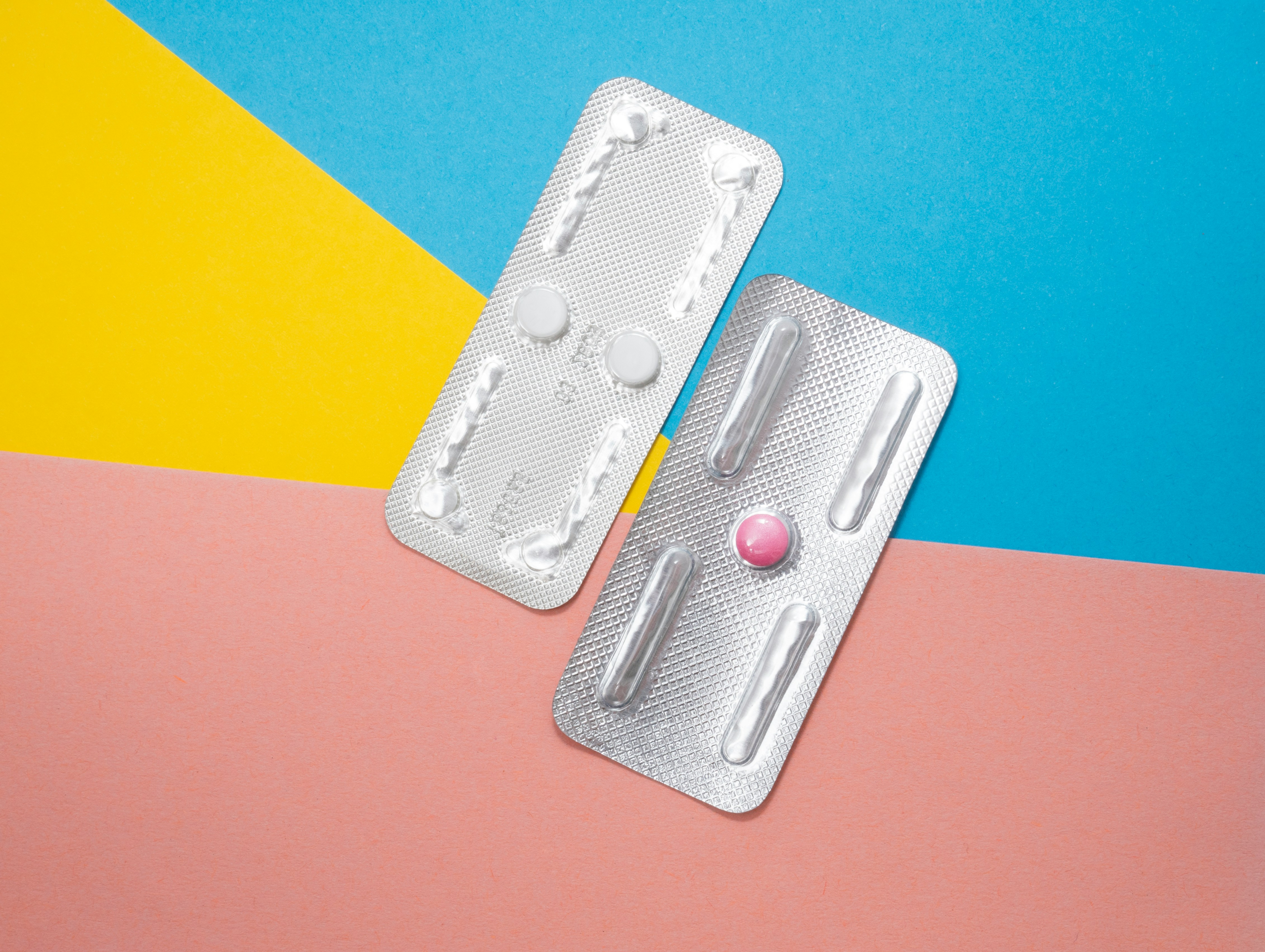
The moment PCOS enters the conversation, medication follows. Photo: Unsplash
For Divya, when she sought treatment for PCOS, she was put on similar medication. It came with a side of advice to "take life seriously" and quit smoking, drinking, partying, sleeping on time, and replacing dinner with a 'PCOS protein drink'.
Two years later, a medically required scan told a very different story, again.
"The doctor performing the scan looked at my reports and said, "Who told you that you have PCOS? You don't.""
"I was confused. I still had symptoms. Fatigue. Excessive hair fall. Facial hair growth. Stubborn belly fat. But there was more. What I didn't realise back then was how complicated PCOS really is. My gynaecologist later clarified that "cysts just don't define PCOS, if you have the symptoms you've PCOS."
And Divya was put on the pills with no warnings of the side effects.
PCOS Impact Women Globally, Yet It's Ignored
Today PCOS is a condition many women live with, often undiagnosed.
PCOS affects a significant number of women globally. Estimates range from 5% to 10%, with some studies suggesting anywhere between 4% and 20%, or nearly one in eight women. In India, data shows that the number is much higher (1 out of 4 women in India). What makes it even more troubling is that up to 70% of women with PCOS remain undiagnosed.
Over time, it has become clear that PCOS is not a one-size-fits-all condition. Every woman experiences it differently. Symptoms vary widely, and so does the severity.
PCOS is not a one-size-fits-all condition. Photo: Unsplash
This lack of clarity often leaves women feeling dismissed or misunderstood, something research now backs up.
A study by the University of Colorado Anschutz Medical Campus found that individuals with PCOS frequently feel ignored and underserved by the healthcare system. The research highlighted that many women took years to receive a diagnosis, often after their concerns about missed periods, acne, or hair loss were minimised.
"PCOS is a common hormone-related condition that affects up to 1 in 10 individuals with ovaries. It can cause a range of symptoms, including irregular periods, acne, unwanted facial hair, weight gain and fertility issues," said Dr Kathryn McKenney, co-director of the PCOS Multi-Disciplinary Program and senior author of the study.
"The condition is also linked to serious long-term health risks such as diabetes, cardiovascular disease and mental health challenges," he adds.
Another senior author of the study, Phoutdavone Phimphasone-Brady, PhD, noted, "Patients told us their concerns, such as missed periods, acne or hair loss, were frequently minimised. They often felt that their voices were not heard, and that led to a delay in both diagnosis and effective treatment."
For many women, fertility was the only thing doctors seemed focused on, even when they were more concerned about daily symptoms, mental health, or understanding what was happening to their bodies.
Real Stories, Real Shifts
Bhagyashree Dutta, 25, a working professional in Chennai, was diagnosed with PCOD at 16.
"Initially, I took medications which my gynae suggested. After a few weeks she gave some progesterone and birth control pills. As long as I took those medications I got my periods. But these pills have side effects like tremendous hairfall," she shared.
She shares that eventually she stopped the pills and turned to lifestyle changes. "I stopped those pills, started to make lifestyle changes like exercise, yoga (specially butterfly pose) and consulted another doctor. Initially my FSH level was too low but, with gradual changes in lifestyle I got my periods."
She is realistic about the condition. "I won't say my PCOS problem is over. It's still there and stress, late night sleep it immensely distrupts period cycle."
For her, Ayurveda and homeopathy worked as supplements, but consistency mattered more. Yoga, good food, stress management, and sleep became non-negotiable.
Anjali Sharma, a 26-year-old working professional from Noida, had a very different experience. She wasn't prescribed medication at all.
"She [her doctor] just asked me to lose weight. She told me to lose 6-7 kgs and stay consistent," Anjali said. After not getting her periods for almost a year, they returned once she lost the weight. "My period since then has been on time."
Why Many Women Are Stepping Away From Pills
According to Mitesh Desai, Founder of Purezen Health Solutions Private Limited, PCOS affects far more than just periods.
"At its core, PCOS disrupts how the ovaries respond to hormones such as insulin, estrogen, progesterone and androgens. Women experience irregular cycles, erratic ovulation, mood swings, and common symptoms like acne, excess facial hair, or hair thinning when this system is out of balance," he says.
He adds that insulin resistance is often the main trigger. "When insulin stays high, androgens rise, making weight management tougher and increasing cravings, fatigue and inflammation. Over time, this also raises the risk of diabetes and cholesterol issues."
This is why many women are moving away from symptom-focused treatments. Social media is also filled with women sharing their stories about how they "ditched the pills, took matters into their own hand, and healed their PCOS through lifestyle changes. "
Experts also agree. "While allopathic therapies can alleviate symptoms, many women nowadays seek to address the underlying causes of their problems. Concerns around side effects and dependency on medication are pushing them toward gentler options like nutrition, exercise and nutraceuticals," Desai explains.
He notes that women are increasingly favouring holistic approaches that support the entire system, not just one symptom.
Debjani Gupta, wellness expert and nutritionist, agrees that PCOS is deeply tied to lifestyle.
"Polycystic Ovarian Syndrome impacts a girl's or woman's body in multiple ways. It has short-term and long-term impacts. Some are clearly visible while others keep doing the damage internally," she explains.
She highlights how PCOS disrupts the communication between the hypothalamus, pituitary gland, and ovaries, leading to menstrual irregularities, skin and hair issues, weight gain, mood disturbances, and insulin resistance.
"Since PCOS is a lifestyle disorder the best way to deal with it is natural ways and lifestyle correction. Any medical or hormone intervention does not correct or attend to the root cause. They only work on the symptoms at the cost of health," she says.
Food, Movement, Sleep, And Stress
Gupta emphasises that managing blood sugar levels is central to managing PCOS. Diets rich in fibre, protein, and healthy fats help stabilise insulin release and support hormone balance.
She advises avoiding refined carbohydrates, processed foods, high glycaemic foods, alcohol, excessive caffeine, and hormone-laden dairy. Instead, she recommends whole grains, seasonal vegetables, lean proteins, healthy fats, and anti-inflammatory spices like turmeric, cinnamon, and fenugreek.
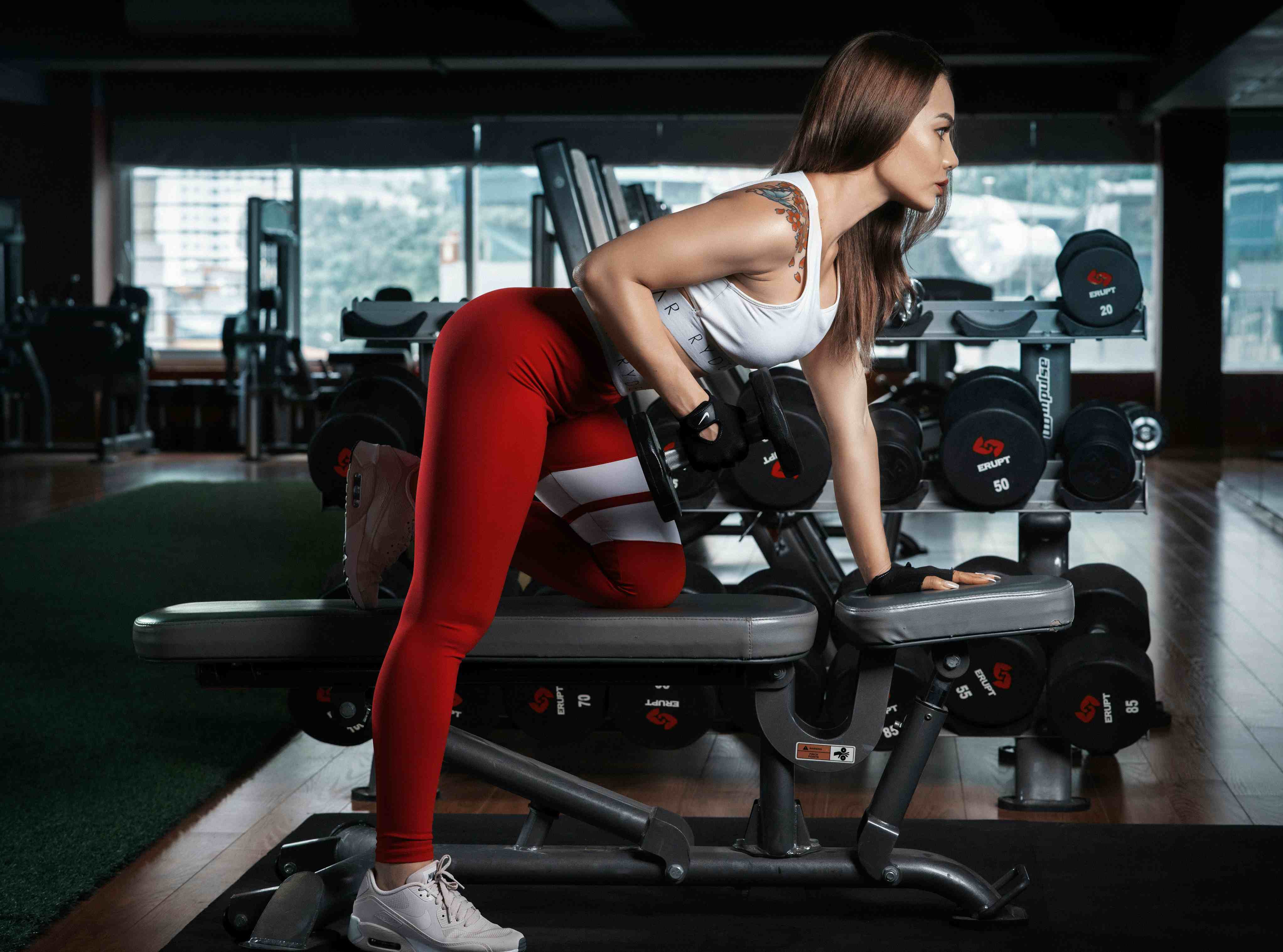
Working out plays a major role in balancing PCOS. Photo: Unsplash
Intermittent fasting, she notes, is not a strict no, but must be done mindfully. "Women must not consider having a longer fasting window of more than 14 hours on a daily basis."
Sleep and stress management are equally critical. Early nights, adequate hydration, regular movement, and conscious stress-reduction practices like breathing, journaling, walking, or spending time in sunlight all play a role.
The Role Of Natural Medicine
Dr Mazherunnisa Begum, BUMS MD from Hamdard Wellness, explains why many women move away from allopathy.
"Many women avoid allopathy because of its side effects, such as skin allergies, weight gain, stomach upset, disturbed bowel movements, nausea, and dizziness," she says.
She adds that natural treatments using herbs like ashwagandha, fenugreek, and ginger, along with lifestyle changes such as early dinners, adequate sleep, fresh food, and regular walking, help provide long-term relief.
PCOS is not reversible, experts agree, but it is manageable. What Indian women-and women around the globe-are increasingly realising is that there is no single pill that fixes it. While we await more studies that prioritize women's health and PCOS, women are turning to natural remedies that are spreading through word of mouth, especially via social media.
The shift towards natural ways is not about rejecting medicine entirely. It is about reclaiming control, understanding the body, and choosing approaches that work with it rather than silencing its signals.
Track Latest News Live on NDTV.com and get news updates from India and around the world
