Protein has become the Internet's favourite nutrient.
From high-protein ice creams and protein coffee to cottage cheese recipes and protein-packed snacks, social media feeds are flooded with people looking for ways to increase their daily intake.
In the middle of this obsession with protein, another food has found itself in the spotlight: Spirulina.
Often described online as one of the 'most protein-dense foods on Earth', spirulina has gone viral across Instagram, TikTok and wellness communities, with influencers adding the bright green powder to smoothies, juices and breakfast bowls.
But is spirulina really the protein powerhouse that social media claims it is? And should it have a place in your diet?
What Exactly Is Spirulina?
Spirulina, scientifically known as Arthrospira, is a type of blue-green algae that grows naturally in freshwater and saltwater environments.
While it may seem like the latest wellness trend, spirulina has been consumed for centuries and has long been valued for its nutritional properties.
Its popularity received a major boost when it was used by NASA as a dietary supplement for astronauts during space missions. Today, it is marketed as a superfood thanks to its impressive concentration of protein, vitamins, minerals and antioxidants.

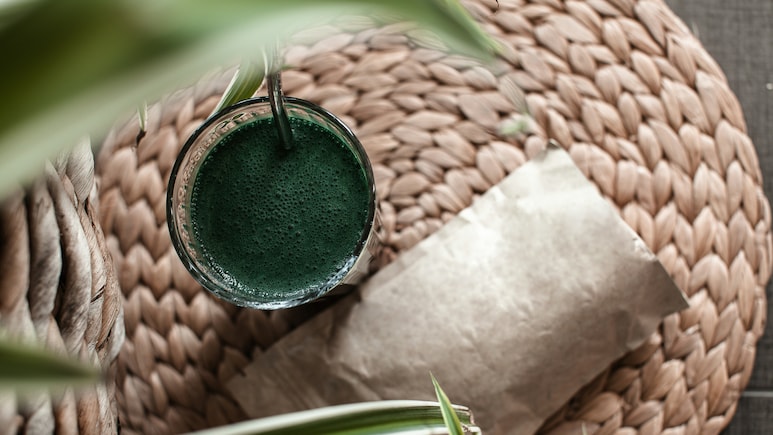
Spirulina is scientifically known as Arthrospira. Photo: Unsplash
According to Dr Prachi Chandra, Lead Clinical Nutritionist at Sakra World Hospital, spirulina's recent rise can be linked to changing food habits and growing interest in sustainable nutrition.
"Spirulina has recently gained popularity across social media platforms, wellness communities, and health stores, earning a reputation as a 'superfood'. The recent surge in popularity can be attributed to increased interest in plant-based nutrition, sustainable food sources, and natural supplements that support overall health," she says.
Celebrity dietician and nutrition consultant Simrat Kathuria agrees.
"Everyone seems to be noticing it more lately, since many consumers today are after natural, plant-based sources of nutrition that can back up general wellness. Social media, fitness influencers, plus the whole superfoods trend, they've pushed it forward a lot," Kathuria says.
Is Spirulina Really The Highest Source Of Protein?
One of the biggest reasons for spirulina's viral fame is its protein content.
According to experts like Dr Chandra, "Spirulina contains approximately 55-70% protein by dry weight, making it one of the most protein-dense natural foods available. It also provides all essential amino acids, iron, copper, magnesium, vitamin B, vitamin E, vitamin K, provitamin A and iron."
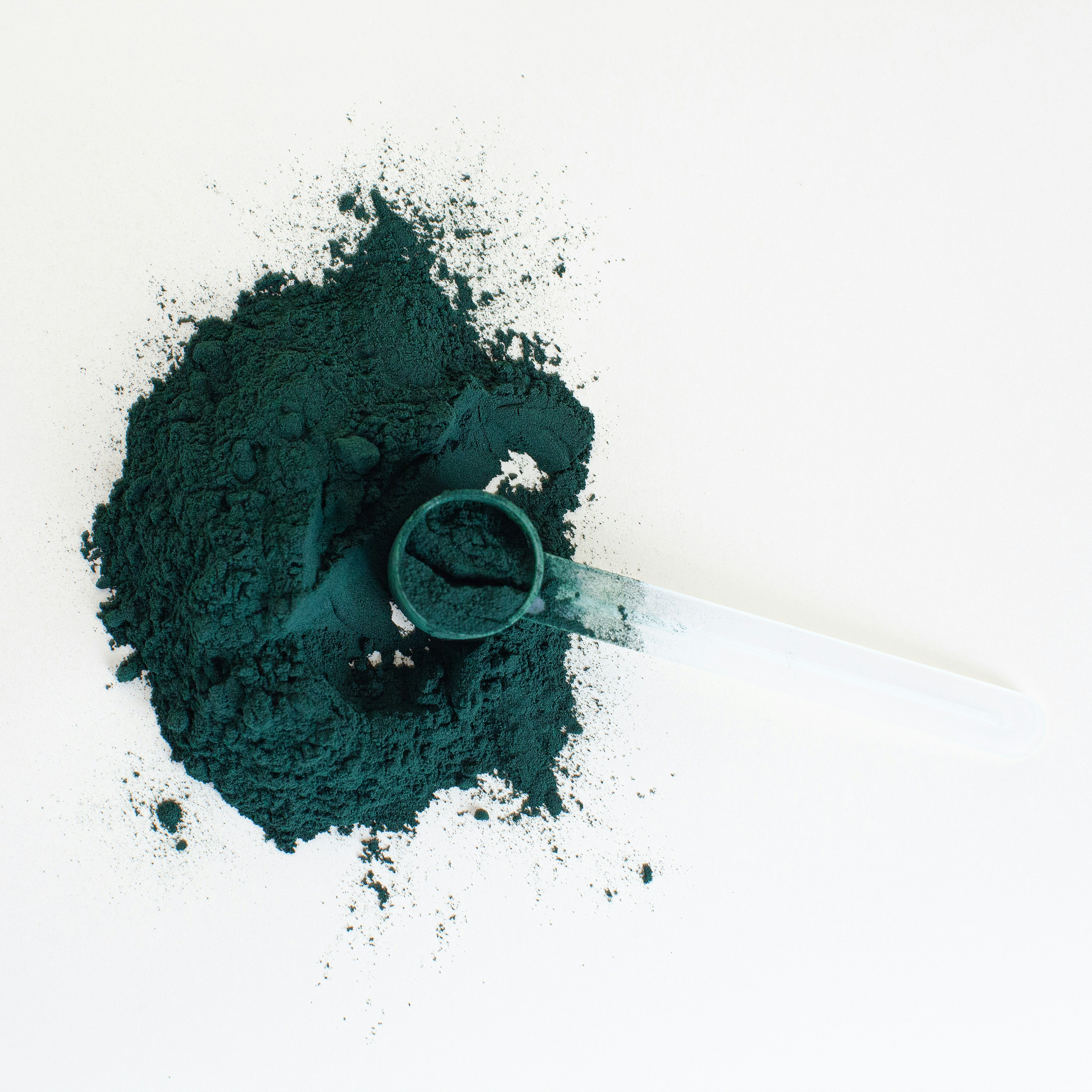
One of the biggest reasons for spirulina's viral fame is its protein content.
A single tablespoon (around 15 grams) contains roughly 4 grams of protein while contributing only about 20 calories.
Kathuria says, "Yes, spirulina is exceptionally rich in protein, and it can reach about 55-70% protein by dry weight. It also has essential amino acids, iron, antioxidant compounds, and other micronutrients that help support general health."
However, both experts stress that the viral claims need some context.
The Real Deal
While spirulina may be highly concentrated in protein, people generally consume very small quantities of it. Most recommendations range from a fraction of a gram to around 5 grams daily, meaning it cannot replace traditional protein sources such as pulses, dairy products, eggs, fish, chicken, tofu or paneer.
"While spirulina is rich in protein, the amount typically consumed is quite small. Therefore, it should not be considered a primary protein source but rather a nutrient-rich supplement that complements a balanced diet," says Dr Chandra.
In other words, spirulina may help boost nutrient intake, but it is not a magic solution for meeting daily protein goals.
Why Nutrition Experts Still Find It Interesting
Protein is only part of the story.
Spirulina contains antioxidants, particularly a compound called phycocyanin, which gives the algae its distinctive blue-green colour. Research suggests these compounds may help reduce inflammation and oxidative stress in the body.
Experts also point to several potential benefits, including support for heart health, cholesterol management and immune function.
Dr Chandra notes that spirulina possesses anti-inflammatory properties and may help reduce cholesterol and triglyceride levels, support healthy blood pressure and strengthen the immune system.
Another interesting benefit is its effect on gut health. According to Dr Chandra, spirulina may encourage the growth of healthy lactobacillus bacteria in the intestine, which can aid vitamin B6 production and support energy metabolism.
For vegetarians and vegans in particular, spirulina can be an easy way to increase intake of nutrients such as iron and certain vitamins.
Should You Be Taking Spirulina?
The answer depends on your overall diet and nutritional needs.
For people following plant-based diets, athletes with increased nutrient demands or those looking to add more micronutrients and antioxidants to their routine, spirulina may be worth considering.
"Spirulina could be useful for people who are after extra nutritional support, mainly vegetarians, vegans, athletes, and basically anyone with higher nutrient needs," says Kathuria.
Dr Chandra adds, "It is an excellent addition to diets, especially those of vegans and vegetarians. Spirulina's nutrients are highly bioavailable, making them rapidly absorbed by the body."
That said, experts emphasise that supplements should never replace a balanced and varied diet.
What Is The Best Way To Consume Spirulina?
Spirulina is available in several forms, including powders, tablets, supplements and liquids.
Powdered spirulina is often blended into smoothies, juices, yoghurt and smoothie bowls. However, its strong earthy taste can be a challenge for some people.
"Tablets and capsules are often preferred because they are convenient and help avoid the strong earthy or fishy taste associated with spirulina powder," says Dr Chandra.
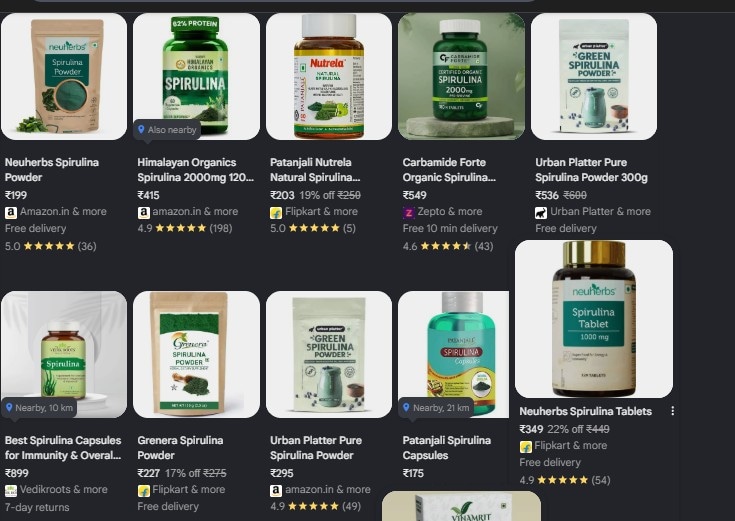
Spirulina is available in several forms, including powders, tablets, supplements and liquids. Photo: Author/Google
Kathuria agrees, noting that tablets and capsules are generally the easiest option for those who want the benefits without altering the taste of their food.
Experts also stress the importance of choosing products from reputable manufacturers that conduct quality testing, as contamination remains a concern in poorly regulated supplements.
Are There Any Side Effects?
For most healthy adults, spirulina is considered safe when consumed in recommended amounts.
However, some people may experience side effects such as nausea, bloating, digestive discomfort, headaches or dizziness.
There are also certain groups who should avoid spirulina or seek medical advice before using it.
According to Dr Chandra, people with "autoimmune disorders, those taking immunosuppressive medications, individuals with certain metabolic conditions, pregnant and breastfeeding women, diabetics, people using anticoagulants, those with blood disorders and individuals with hyperthyroidism should avoid taking spirulina unless advised by a healthcare professional."
Another concern is product quality. Spirulina sourced from unreliable manufacturers may contain harmful contaminants such as heavy metals, toxins or bacteria.
The Bottom Line
Spirulina's viral popularity is not entirely undeserved. It is genuinely rich in protein, packed with micronutrients and supported by growing scientific interest.
But despite the social media hype, it is not the miracle protein source some influencers make it out to be.
Because the quantities typically consumed are small, spirulina works best as a supplement rather than a primary source of protein. For most people, meeting daily protein requirements will still depend on a balanced diet that includes a variety of protein-rich foods.
Track Latest News Live on NDTV.com and get news updates from India and around the world
