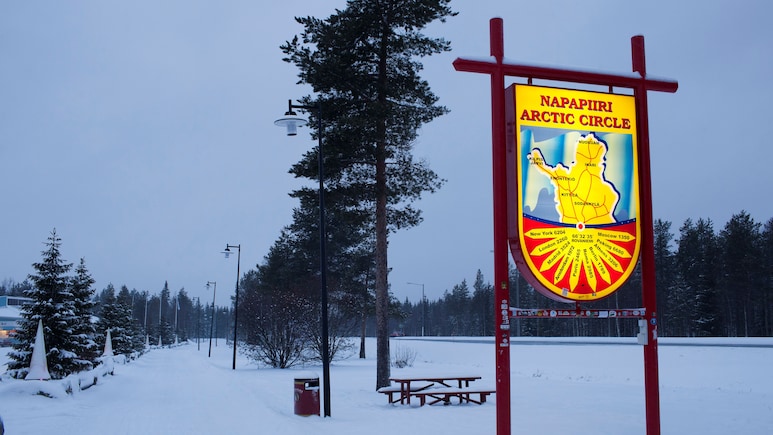
- Rovaniemi is Europe's largest city by land area with about 63,000 residents
- The city was rebuilt after World War II by architect Alvar Aalto with a reindeer-themed plan
- Eleanor Roosevelt's 1950 Arctic visit popularised Rovaniemi and its Santa Claus Post Office
The mythical old man who sits guard in Europe's largest city, is as real as real can be. You can meet him, greet him, get a photo with him, and ask him all about his diet secrets and longevity mantra.
This is the grand old man from all our Christmas tales, and when we meet him, it is a few months after the busiest time of the year. Santa Claus is at rest now. But what's rest for an old man who has to respond to millions of starry-eyed people who write to him?
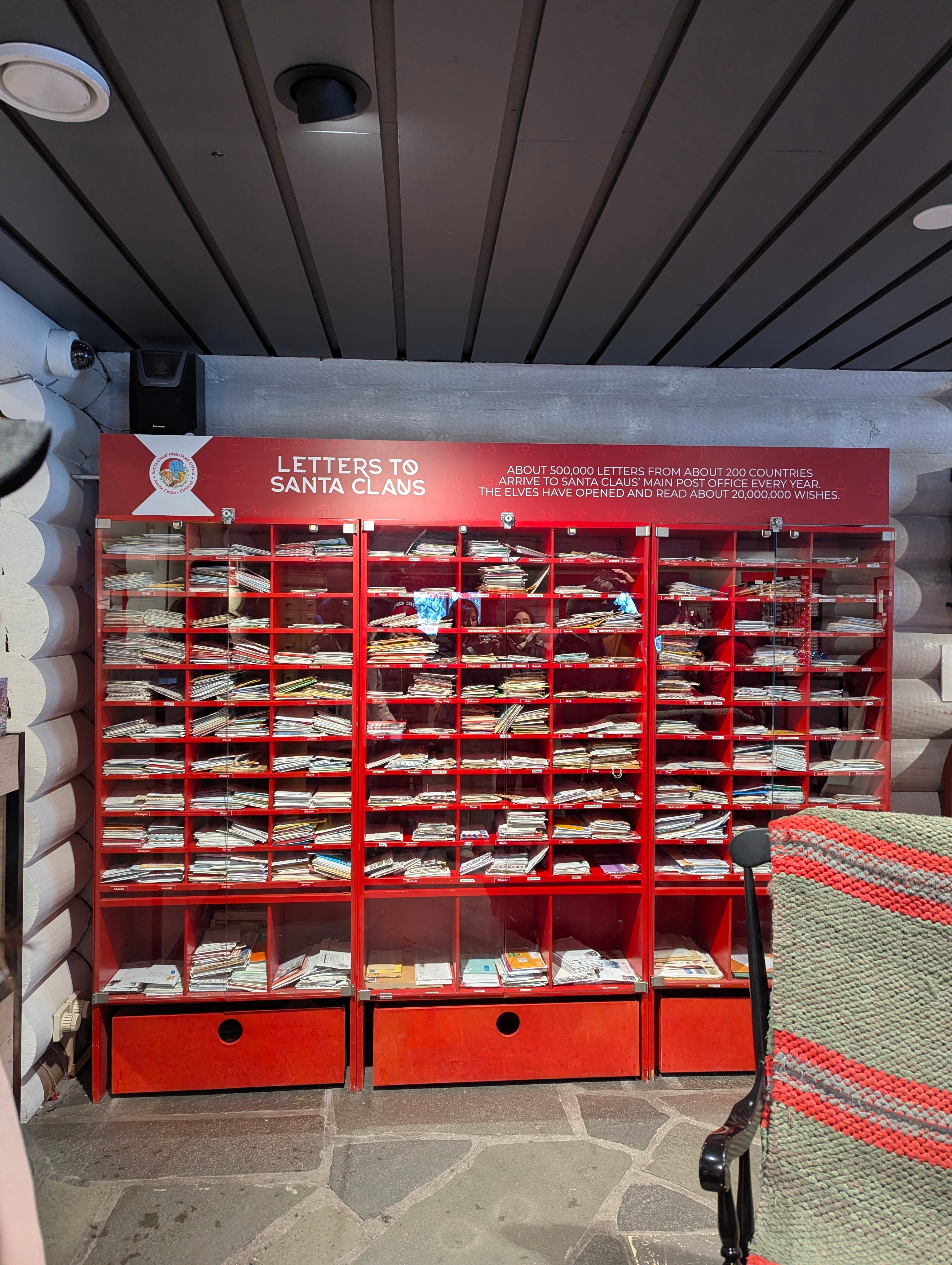
The Santa Claus post office gets half a million letters every year. Photo: Author
The World's Northernmost Post Office
At the world's northernmost post office, every day is a busy day. Santa's elves are at work. The man himself is busy writing responses to letter-writers from across the world. They have a year to respond to half a million mails that clog the Santa Claus Post Office boxes in Rovaniemi, Finland.
The city of Rovaniemi staddles the Arctic Circle. At the Santa Claus Village, you can cross the Artic Circle and see yourself doing so on the Santa Cam. It is a place where you see full-grown adults giggle and jump at seeing Santa and his elves, giving the children around a stiff competition.
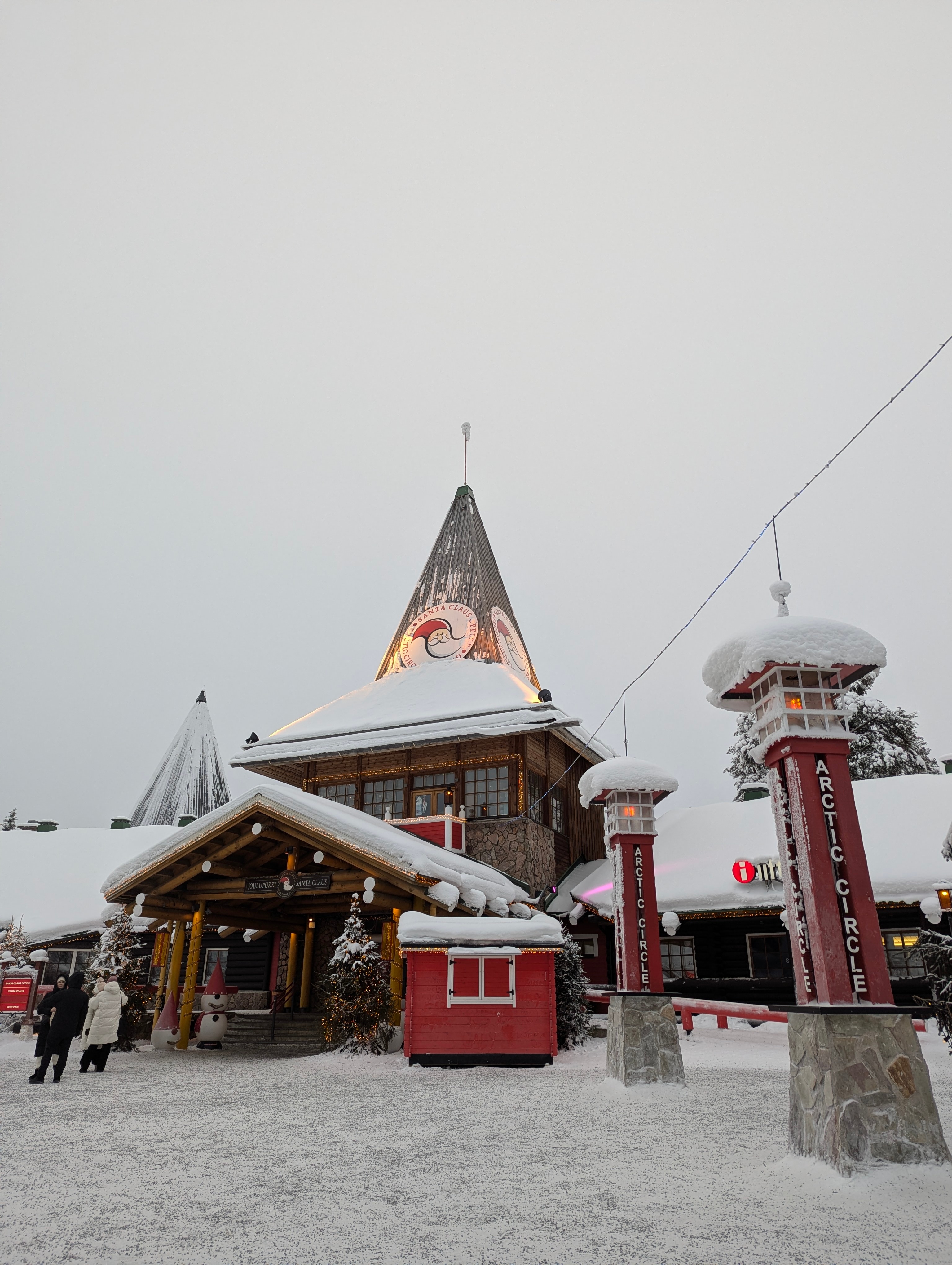
The Santa Claus Village in Rovaniemi. Photo: Author
Rovaniemi is the biggest city in Europe by land area. Yet, its 8,017 square kilometres are inhabited by only 63,000 people. Reinders outmumber humans here by about 15%, and you bump into them everywhere. On posters, at the airport, at reindeer farms and on the streets.
However, sitting in the hotspot that is expected to draw 2 million visitors this year, it is hard to imagine that Rovaniemi has a history darker than the hot chocolate you are served in Santa-embossed mugs.
Birth Of The Reindeer Town
Rovaniemi was a quiet trading town in the Arctic in the 1930s. Then the Russians arrived. Finland fought Russia off in the painful winter of 1939-40, and then allied with Germany to keep off further invasions by the Russians. The Germans created a base in this city.
However, a few years later, when the war turned against the Axis powers, Russia asked the Finns to get rid of the Germans. In October 1944, the German army left Rovaniemi, but not without razing it to the ground. Rovaniemi was burnt to ashes. Many people were evacuated to Sweden but 279 died in the process. Another 200 died on their way back to Rovaniemi.
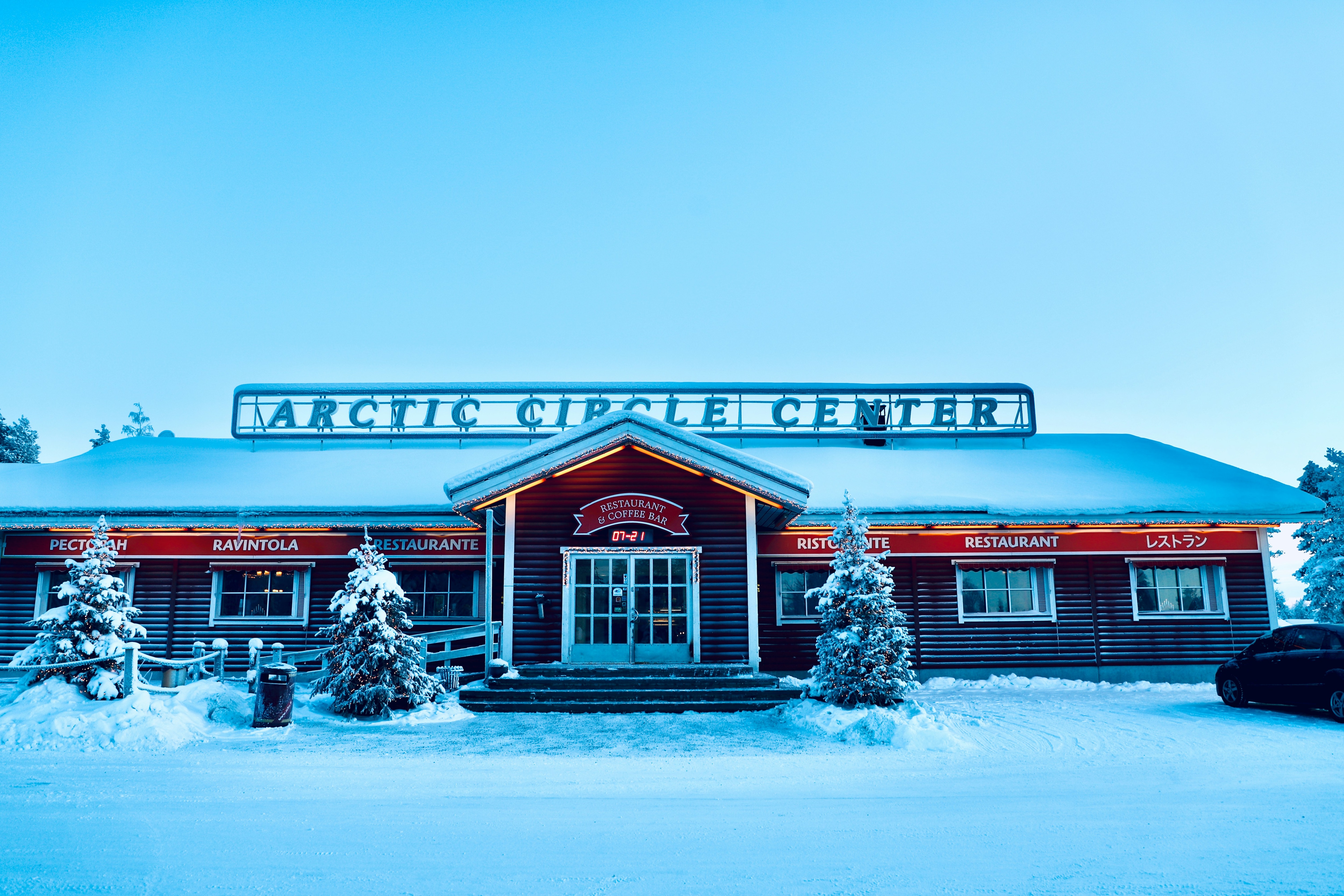
The Arctic Circle Center. Photo: Pexels
In 1945, Finland reached out to its most famous architect. Alvar Aalto was assigned the task of planning a modern Arctic city, and he saw an opportunity in the ashes. He set out to create a plan that had a reindeer head embedded in it. The natural topography was in sync with the reindeer head. The land has two major rivers, the Kemijoki and the Ounasjoki, and Rovaniemi lies at the confluence of the two. Alvar Aalto used the rivers, and the football stadium became the reindeer's eye. Thus, the new Rovaniemi, a tribute to Lapland's most common inhabitant, was born.
After the second world war, Rovaniemi was cut loose by all except for some aid from the United Nations Relief and Rehabilitation Administration and its patron Eleanor Roosevelt.
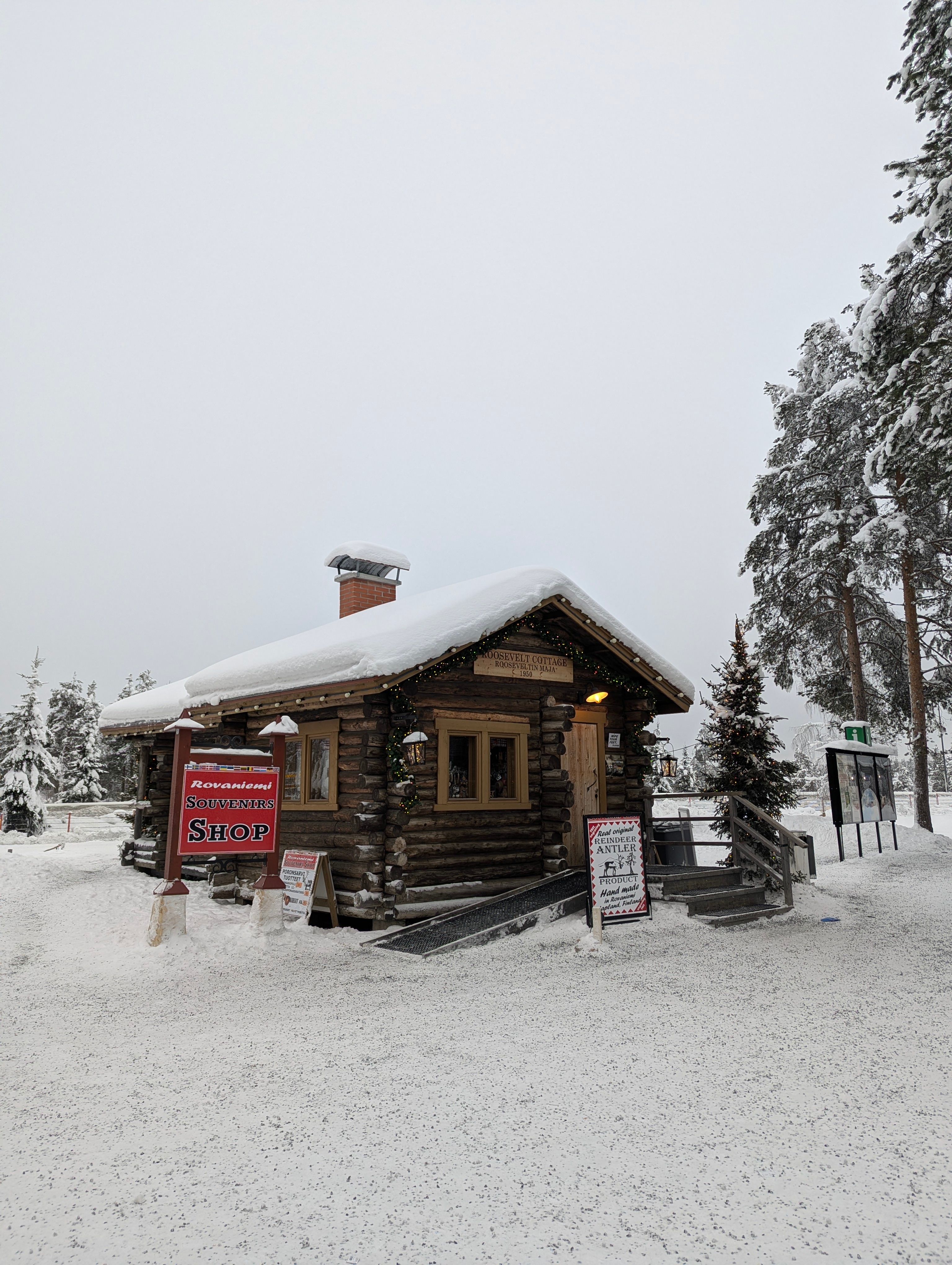
The log cabin that Eleanor Roosevelt visited. Photo: Author
America Walks Into The Arctic
In June 1950, Eleanor Roosevelt wanted to visit the city and the Arctic Circle. Finland got to work. In a week, they built a log cabin 20 minutes from the airport and, the legend goes, the workers took the backdoor out as Roosevelt walked into the room. Roosevelt was told that the log cabin sat on the Arctic Circle. The reality was a little to the north: the actual circle, 66 degrees 33 minutes north, lay a few metres up.
Roosevelt sent a letter from the cabin to US President Harry S Truman, and it became the first letter to be posted from the Arctic Circle. Soon, the post office became a world attraction.
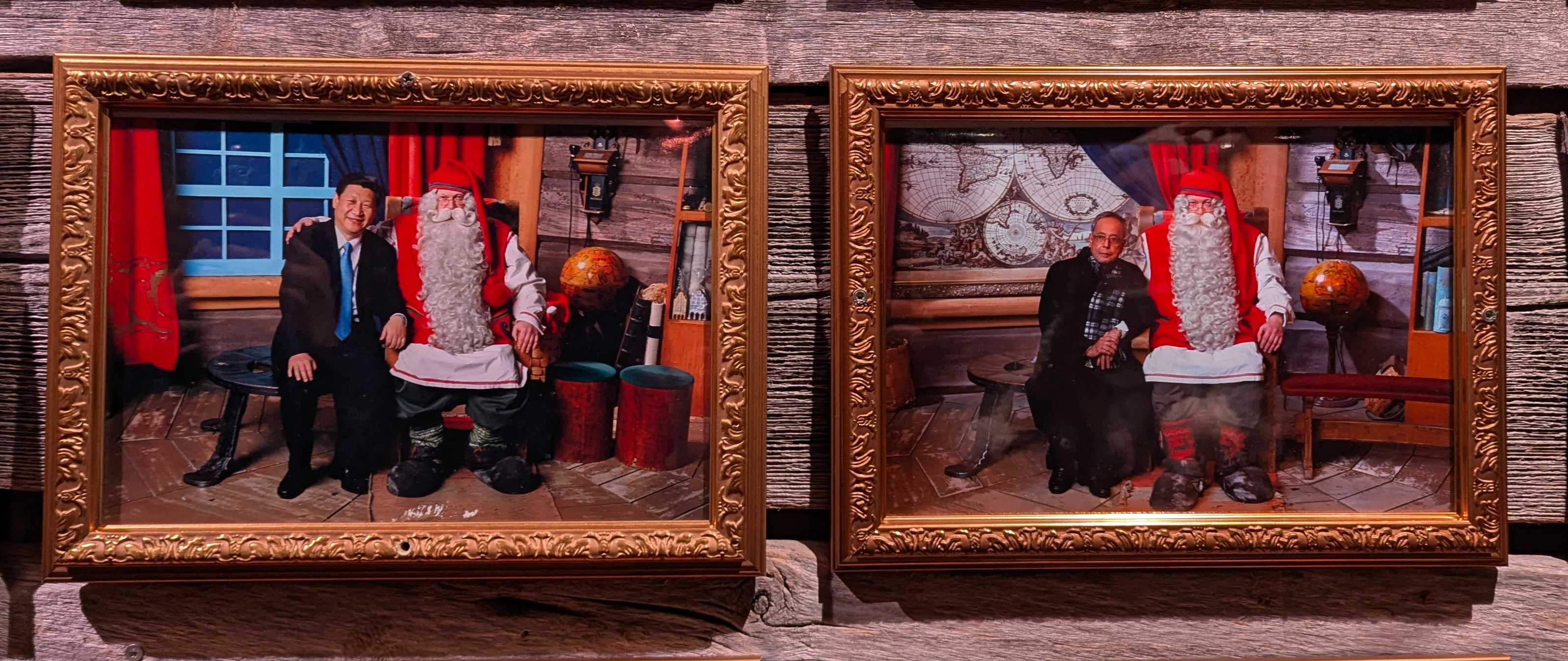
Chinese President Xi Jinping's photo with Santa Claus is framed next to former Indian President Pranab Mukherjee's. Photo: Author
This, the Santa Claus Post Office, has since been visited by dignitaries from across the world. Former Indian President Pranab Mukherjee met Santa in 2014, and handed him a statue of Lord Ganesha. Mukherjee's photo with Santa today is up on the wall in Claus's cabin, sitting next to Santa's photo with Chinese premier Xi Jinping.
Rovaniemi Becomes A Hit With Indians
By 1984, three and a half decades after Roosevelt walked into that log cabin in Rovaniemi, the Concorde had begun bringing tourists to see the Arctic Circle. Finnish local entrepreneus built the Santa Claus Village around this time, and by the turn of the decade, it had become a phenomenon with visitors from the world over.
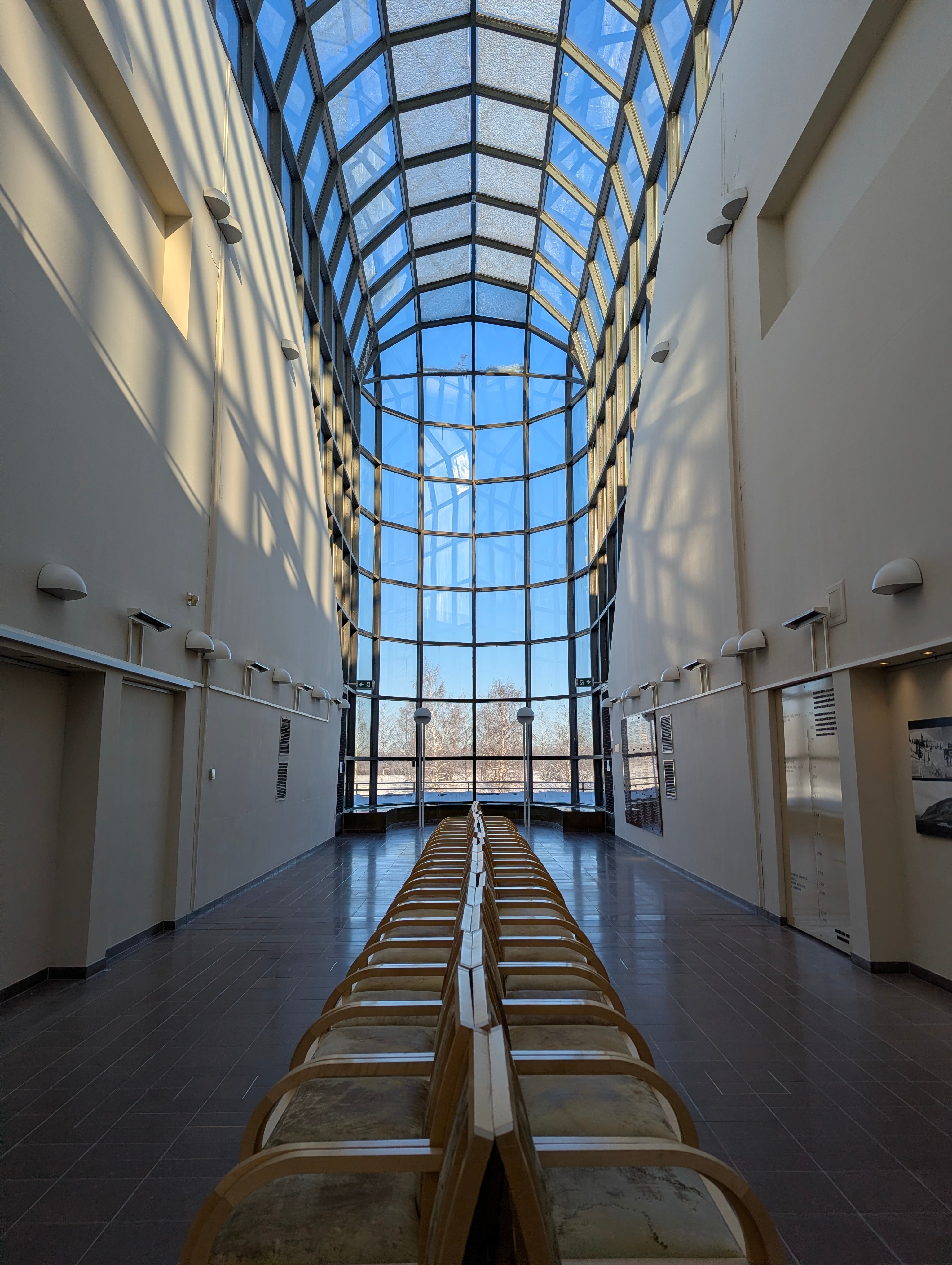
Arktikum's glass-ceilinged corridor. Photo: Author
For the common Indian traveller, Rovaniemi became a name to reckon with not when President Mukherjee visited the Arctic city, but when hawk-eyed Internet users spotted cricketer Virat Kohli and actor Anushka Sharma in Lapland for their honeymoon in December 2017. Since then, Rovaniemi has seen a steady stream of visitors from India, who cannot get enough of either Santa or the Northern Lights.
Nights Under The Northern Lights
Rovaniemi, on its part, gets about 150 nights of Aurora Borealis, with these Solar Maximum years seeing peak activity in the sky. The dance of the lights are visible from Rovaniemi from late August to about early April, between 10 pm and 2 am.
Sometimes, if luck favours you, you can catch the colourful dance in the sky even earlier. We landed in Rovaniemi on one of those nights, after a quick Finnair flight from Helsinki. The lights were so bright and so strong that our vehicle had to take a detour to just so we could stand, gaze at, and cry copious tears on seeing the Aurora in front of us.
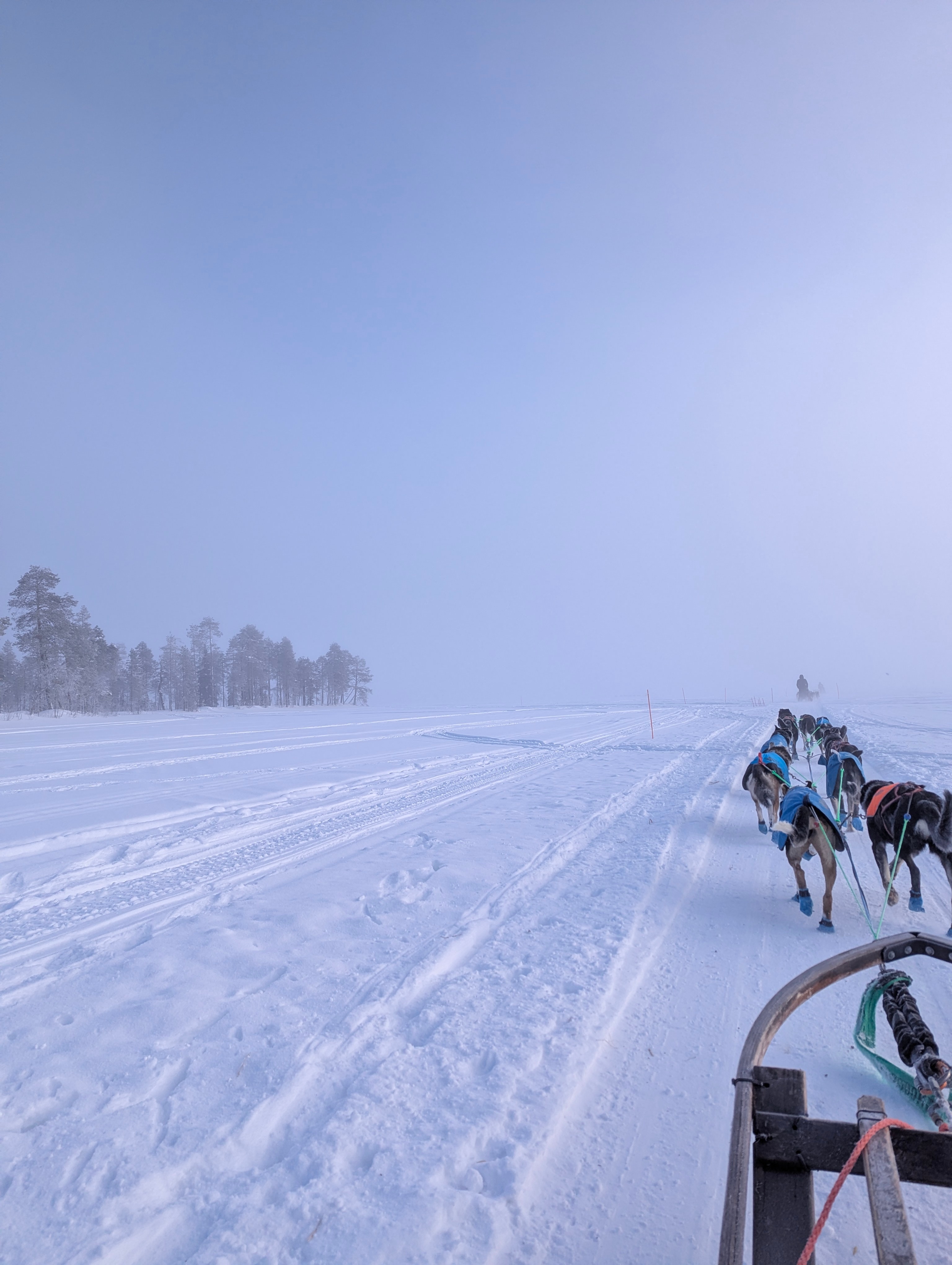
On a husky sledge. Photo: Author
A short walk out of the city takes you to places where light pollution isn't much. Rovaniemi's thin population and large swathes of empty area make it an Aurora hunter's delight.
But winter in Lapland is getting shorter and the snow thinner, Kertta, our guide at Arktikum, tells us. Snow is an integral part of Lappish life. Lapland has several names for various kinds of snow. Snow is one of the major highlights of its tourism industry, and Kertta isn't amused at the way climate change is wreaking havoc in the Arctic, more of which you can find solidified at the Arktikum.
A Dance In The Dark
Arktikum is a breaktaking Arctic Museum in Rovaniemi and it stands pointing north, towards the North Pole. The Arctic Ocean lies 700 kilometres north of the museum; and the North Pole, 2,600 kilometres. The museum's glass-ceilinged corridor plays a gorgeous wedding backdrop sometimes. At others, Arktikum answers queries from visitors about the phenomenon called the Northern Lights.
The Finnish name for the Aurora, 'Revontuli Ovaali', too goes back to the snow: when the fox runs on the snow and hits it with its tail, the resulting fox fires are called the Northern Lights. The scientific explanation is a little more dramatic though.
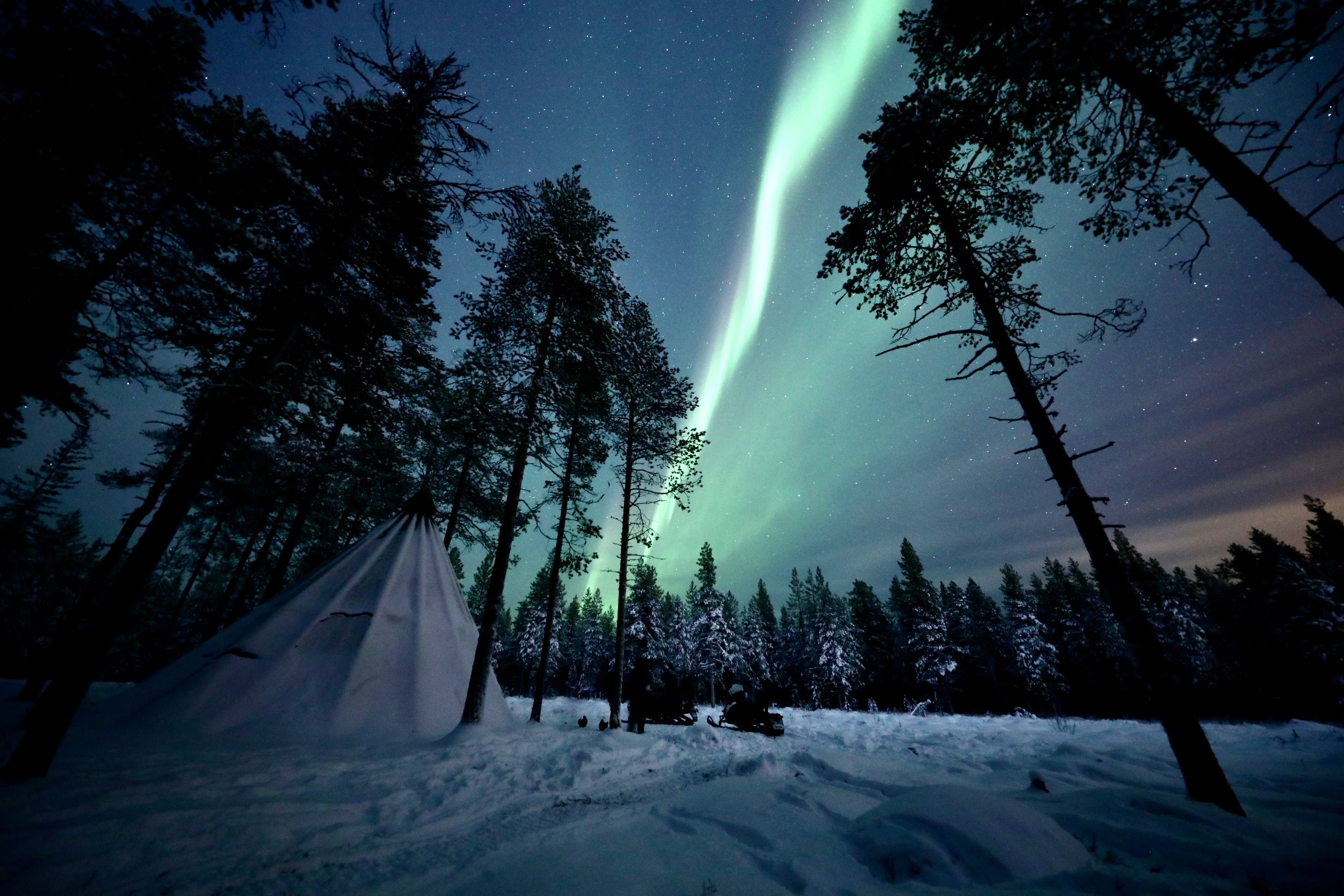
Rovaniemi gets about 150 nights of Northern Lights. Photo: Unsplash
When the sun emits electrically charged particles, and they collide with the gases in the Earth's upper atmosphere, the collisions result in the Northern Lights. These energetic particles are guided by the Earth's magnetic field to the poles. This, in turn, is where they strike oxygen and nitrogen atoms, and end up becoming the glow that we are so enthralled by.
In Rovaniemi, those atoms and electrically charged particles hold you captive for hours. Thereafter, you will always find a reason to look up.
Also Read: Why Is Finland The World's Happiest Country? We Flew 5,200 Km To Find Out
Track Latest News Live on NDTV.com and get news updates from India and around the world
