
For a generation accused of excess in everything from screen time to spending habits, Gen Z is actually rewriting one of the oldest social rituals: drinking.
Across markets, data shows a clear shift. Alcohol consumption among young adults is declining, with estimates suggesting an 11% reduction among those aged 18 to 34, contributing to global losses of over $830 billion in revenue over four years.
-

-
 "High Inflation Is Like Tax On Everyone": RBI Governor At NDTV World Summit
 -
 AI Agents To Outnumber Humans Soon? What Futurist Mike Walsh Told NDTV
 -
 This Delhi Boy Has 3 Michelin Stars. His Heart Still Goes To Rajindar Da Dhaba
 -
 Ashwini Vaishnaw Explains Semiconductor Complexity: 'Everything On This Tiny Nail'
 -
 Indian-Branded Mobile Phones By October 23, 2028, Says Ashwini Vaishnaw
 -
 AI Law In India Soon? What Ashwini Vaishnaw Said At NDTV World Summit
 -
 'Need To Look At Next 10 Years': Bondada Chairperson To NDTV On Solar Energy
 -
 World's 1st AI Actor Tilly Norwood Was Asked If She Knew Hindi. A Conversation Followed
 -
 AI Law In India Soon? What Ashwini Vaishnaw Said At NDTV World Summit
 -
 Iran's Supreme Leader's Representative Says India Can Play 'Big Role' In Middle East Peace
Surveys reinforce this trend too. About 21.5% of Gen Z do not drink at all, while another 39% drinks only occasionally. Even among those who do drink, frequency and quantity are down.
As a result, a curious pattern is emerging. Younger consumers are not simply quitting alcohol; they are replacing it. Traditional, local, and often fermented beverages are making a comeback, rebranded as cleaner, more 'authentic' alternatives.
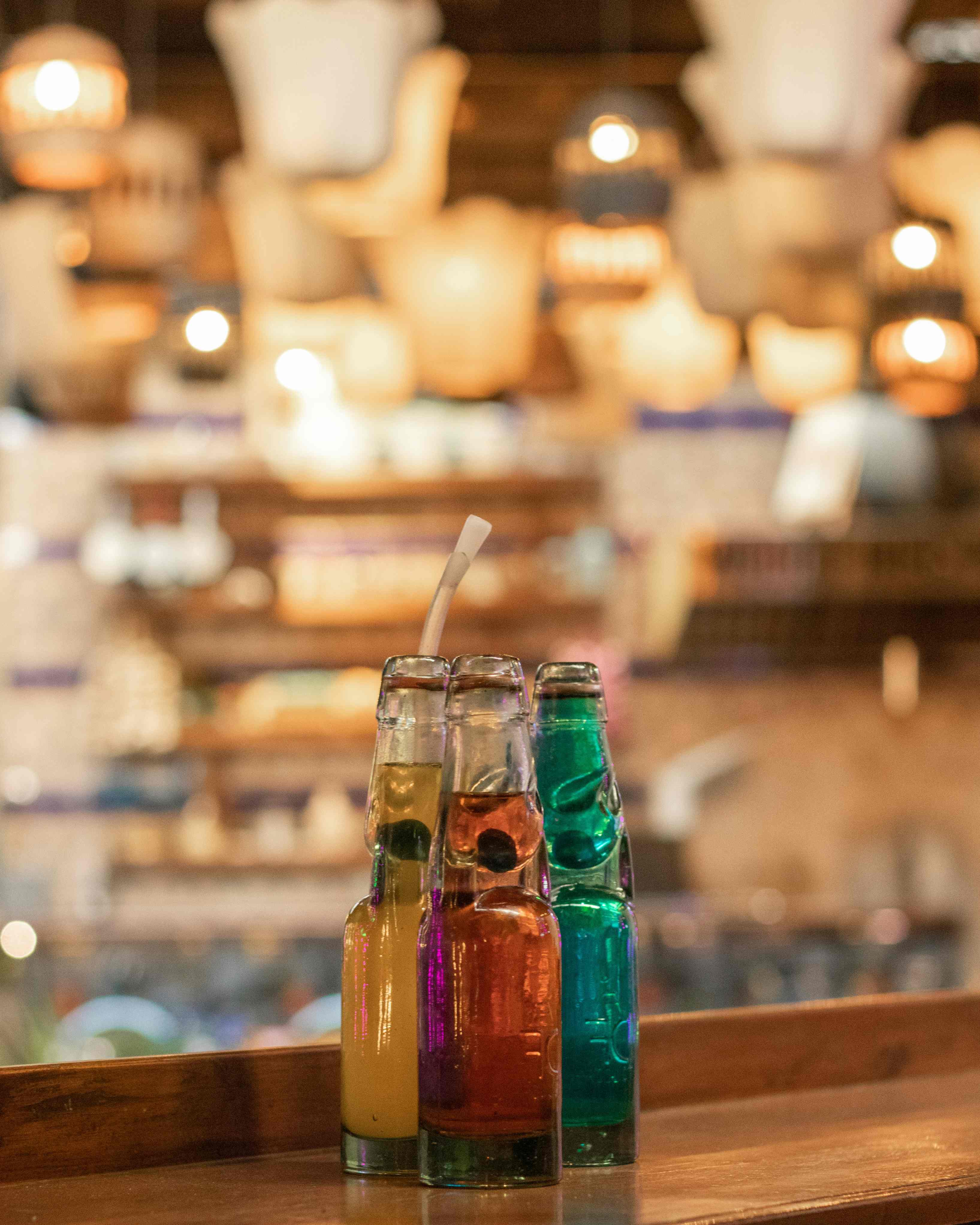
Traditional, local, and often fermented beverages are making a comeback. Photo: Unsplash
Kombucha had its moment. Millet-based drinks are having their. And now, rice beer from Northeast India is stepping into the spotlight (right in time for Assam elections).
From Tribal Kitchens To Urban Menus
Rice beer, long consumed across Assam and other northeastern states, is not new. What is new is where you are finding it.
In pockets of Delhi such as Humayunpur and Safdarjung, cafes have begun serving versions of the drink, often positioned as artisanal or experimental. Scroll through social media, and you will find reels showcasing cloudy glasses of pale liquid, with Gen Z rediscovering it for its 'strong' buzz.
Here are a few Reels, have a look:
NDTV spoke to multiple cafes in the capital that serve rice beer, and all of them confirmed the same thing: demand has risen sharply in recent months. What was once a niche is now at every table in northeastern cafes at metro cities.
But to understand the hype, you have to go back to where it all began.
What Exactly Is Rice Beer?
Chef Atul Lahkar, author, culinary historian, and vice president of the North East India Chef Association, is clear that the current moment is less about discovery and more about rediscovery.
"From my travel and research across Assam and the North-East, I believe rice beer is not suddenly becoming popular, it is being rediscovered," he said.
"For centuries, it has been part of indigenous life, rituals, and daily consumption. Today, the world is moving towards natural fermentation, sustainable food systems, and indigenous knowledge, and rice beer fits naturally into this space."
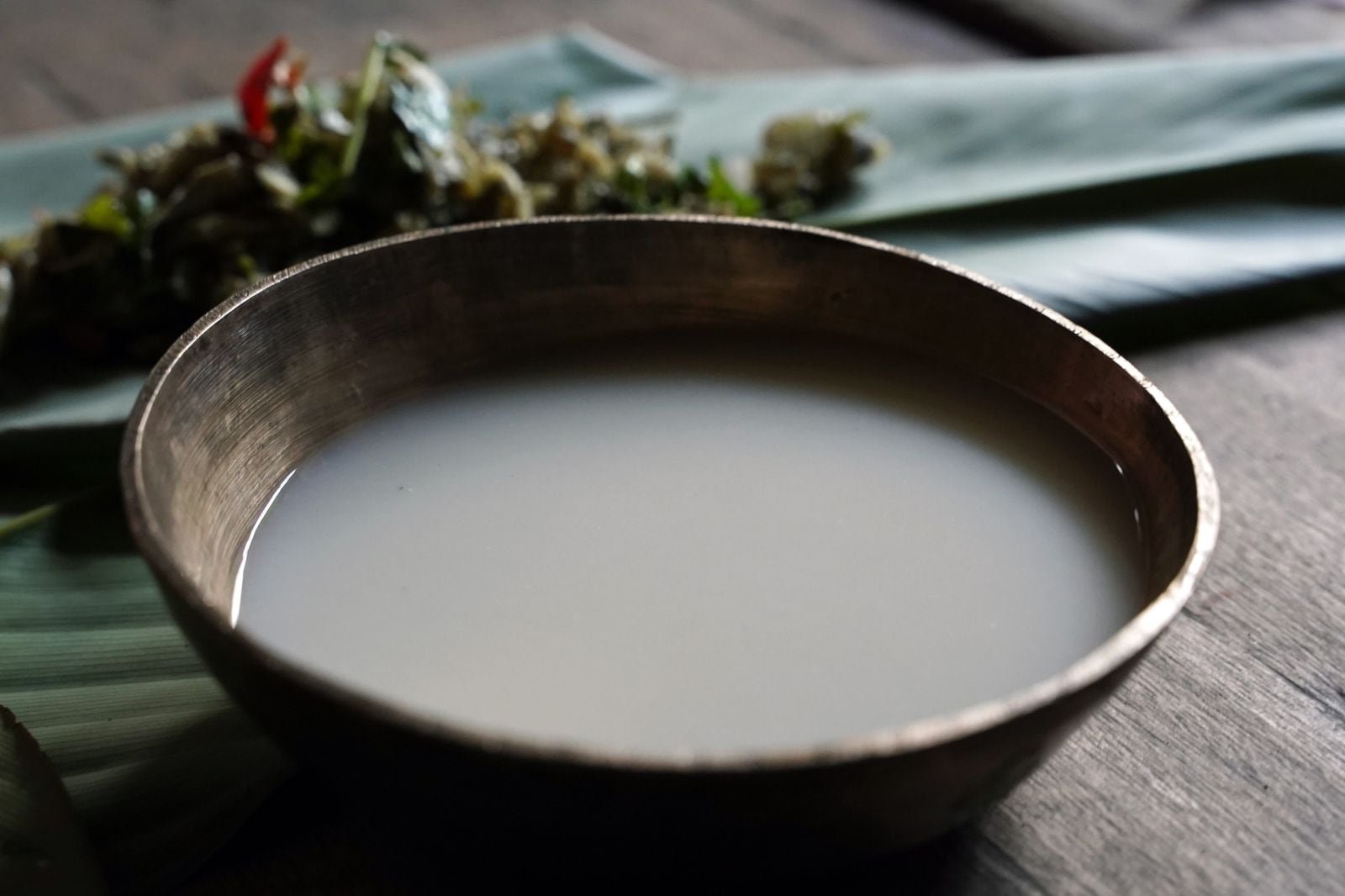
Rice Beer. Photo: Chef Atul Lahkar
Unlike commercial beers, rice beer is rooted in community-specific practices. Its making is deceptively simple but deeply technical.
"The most important element is the starter culture, known locally as bakhar, amao, or epak," Lahkar explained. "I have personally observed how these are made by mixing rice powder with a variety of wild herbs. These herbs carry natural yeast and beneficial microorganisms that help in fermentation."
The process involves cooking sticky rice, cooling it, mixing it with the starter culture, and then allowing it to ferment in earthen pots or bamboo containers. Over time, starch converts into sugar and then into mild alcohol.
The result is a drink that is typically low in alcohol, often between 5 to 10%, and varies widely in taste depending on the herbs and techniques used.
Varieties such as Apong, Judima, and Rohi reflect this diversity, each carrying the imprint of its community.
What's your favorite spot for rice beer in delhi ?
by u/deepaknogiya in delhi
For instance, Apong is a fermented rice beer primarily prepared by women of the Mising tribe in Assam and the Adi (Tani) tribes in Arunachal Pradesh, coming in types like Nogin Apong (stronger, earthy) and Poro Apong (milder); it's consumed during festivals, weddings, harvests, and funerals in these regions.
Judima, a fragrant rice wine made with rice and a special herb from the Theyetia tree, originates from the Dimasa community in Assam's Dima Hasao district and holds a GI tag as the Northeast's first recognised traditional brew, enjoyed at community gatherings and festivals.
The Cafe Version Vs The Traditional Brew
If the traditional process sounds precise, the urban adaptation is far more fluid.
Chef Gitika from Gitika's PakGhor, who has worked extensively with northeastern cuisines, describes rice beer in its simplest form: "It's a fermented drink wherein we use sticky rice and yeast."
She points out that the yeast itself is complex and often made using multiple herbs. "There is no chemical component there, we use almost close to 20 herbs, and the age of the rice is equally important," she said.
But what is being served in cafes today may not always match traditional standards.
Some versions are diluted, flavoured, or altered for taste and consistency. Gitika also hinted at this variation, noting that the strength and flavor depend heavily on the fermentation process. Despite these differences, she acknowledges the surge in interest. "Because people are travelling more to the Northeast, they would have tasted it, and for people outside the Northeast, because it is something new, I think it has a lot of similarity with sake," she said, adding that social media has amplified its appeal.
"It becomes like a bragging right. 'Oh wow, I have tasted rice beer,'" she says.
Is It Actually Healthier?
The health pitch is central to rice beer's newfound popularity. But how accurate are these claims?
Celebrity dietician Simrat Katuria offers a measured view.
"Rice beer may positively or negatively influence someone's health depending on the amount consumed," she said. "The fermentation of rice beer helps create beneficial microbial and bioactive compounds which may aid in digestion as well as gut health when consumed in smaller amounts."
There are, however, limits to these benefits.
"The limited health benefits of rice beer are only obtainable when consumed in moderation," she added. "Overall, rice beer contains very few health benefits."
Compared to regular beer, it may offer trace nutrients and be easier on those sensitive to gluten, but it is still an alcoholic beverage.
"Consuming large amounts could result in negative effects on your liver, heart, and overall metabolic function," she warned.
The side effects are not insignificant either. "In the case of excessive alcohol consumption, liver damage, addiction, reduced mental clarity, and increased risk of long-term cardiovascular issues can all occur over time," she said, also noting short-term effects such as dehydration and nausea.
In other words, rice beer is not a health drink. It is simply a different kind of alcohol, with marginal upsides when consumed responsibly.
The Legal Grey Area
Perhaps the most interesting twist in the rice beer story lies not in its taste or health profile, but in how it is being sold.
NDTV found that several cafes in Delhi serving rice beer list it under the beverage section rather than alcohol. Many of these establishments do not hold liquor licences.
Cafe owners, when spoken to, corroborated this practice. The reasoning is straightforward: rice beer is often perceived as 'not proper alcohol', especially in its low-alcohol or diluted forms.
But Indian alcohol laws are not built for such nuance.
In most states, including Delhi, the sale of alcoholic beverages requires a licence, regardless of the source or method of fermentation. The classification typically depends on alcohol content, not origin. This raises questions about whether rice beer, even in its milder forms, should fall under the same regulatory framework.
Even those within the industry acknowledge the ambiguity. Gitika admitted that the issue is "quite debatable", adding that she avoids selling it commercially due to licensing concerns.
Final Sip
Rice beer's rise among Gen Z says as much about the drink as it does about the drinker.
This is a generation that is curious but cautious, global yet increasingly drawn to the local. The appeal of rice beer lies not just in its taste, but in its story, its connection to land, community, and a slower, more deliberate way of consumption.
Track Latest News Live on NDTV.com and get news updates from India and around the world
