
- Inositol is a natural compound linked to managing PCOS and insulin resistance in women
- The global inositol market is valued at USD 160-170 million in 2024-2025 and growing rapidly
- Inositol improves insulin sensitivity, aiding hormonal balance and menstrual cycle regulation
Scroll through any health feed right now and you will likely spot one word popping up again and again: inositol.
It is being hailed as a gentle, "natural" fix for everything from PCOS, blood sugar, thyroid and fertility struggles to stubborn weight gain.
So does it work, and should you add this supplement to your diet? We asked experts. But let's start from the very beginning.
Why Inositol Is Suddenly Everywhere
The rise of inositol is not random. It reflects a larger shift in how women are approaching health, especially conditions like PCOS that have long been under-addressed.
Globally, the inositol market is expanding rapidly as well. Data shows, it is valued at roughly USD 160-170 million in 2024-2025, it is projected to grow significantly over the next decade, driven by rising cases of obesity, diabetes, and hormonal disorders.
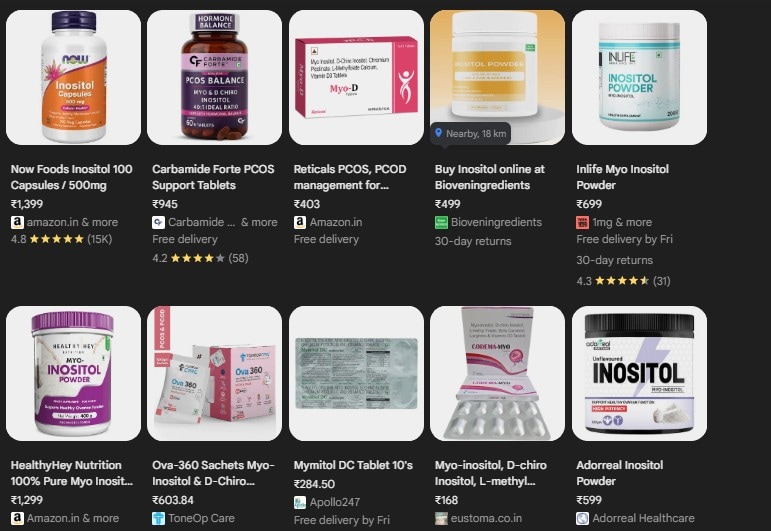
The rise of inositol is not random.
Weight management and metabolic health supplements form a major part of this growth, particularly those targeting women with PCOS and insulin resistance.
There is also a cultural shift at play. Consumers are increasingly leaning towards plant-based, "clean label" supplements and personalised nutrition, making inositol an easy fit into the wellness narrative.
But popularity does not always equal effectiveness. So what exactly is inositol, and why are experts paying attention to it?
What Is Inositol And How Does It Work
Despite often being called vitamin B8, inositol is not technically a vitamin. It is a naturally occurring compound found in the body and in everyday foods.
Dr M V Jyothsna, Consultant Obstetrician & Gynaecologist, Yashoda Hospitals, Hyderabad, explains, "Inositol and myo-inositol are commonly used supplements for women, especially in the management of PCOS. Both essentially work similarly and are considered part of the vitamin B family, often referred to as vitamin B8. These compounds are naturally present in many foods and are also produced by the body."
Deepali Sharma, clinical Nutritionist at the CK Birla Hospital, Delhi, adds, that it "plays an important role in multiple aspects of the body, such as assisting in cell-to-cell communication, regulating hormones such as insulin, and signalling between insulin and other cells."
Nutritionist Tanya Khanna further breaks it down: "Inositol is a naturally occurring sugar-like molecule that your body already makes and uses every single day. At the cellular level, inositol functions as a critical signalling molecule."
The two most studied forms, myo-inositol and D-chiro-inositol, are the ones commonly used in supplements, especially for women's health.
Why It Is Being Linked To PCOS Management
The connection between inositol and PCOS comes down to one key factor: insulin resistance.
Dr Jyothsna explains, "In PCOS management, inositol acts as an insulin sensitiser. It helps improve the body's response to insulin, which plays a key role in hormonal balance. It also helps regulate menstrual cycles, reduce heavy bleeding, and may contribute to lowering AMH levels in women with PCOS."
Deepali Sharma echoes this, "Inositol is utilised extensively by women who suffer from PCOS because it enhances insulin sensitivity, resulting in improved regulation of menstruation, improved ovulation, and, possibly, weight control."
By improving insulin sensitivity, inositol targets one of the root drivers of PCOS rather than just managing symptoms.
Can Inositol Actually Help With Weight Loss
This is where the hype tends to oversimplify things.
Inositol is not a traditional fat-burning supplement. It does not work like stimulants or appetite suppressants.
Dr Jyothsna says, "In terms of weight management, inositol can support weight loss, although it is not a standalone solution. It works by reducing insulin spikes, controlling sugar and food cravings, and improving sugar metabolism."
Deepali Sharma reinforces this point: "Though inositol does not necessarily [act as a] weight-loss supplement, it can help support weight loss efforts when combined with proper nutritional intake and exercise."
In simple terms, it is not a fat burner. What it does do is address one of the most stubborn underlying causes of weight gain in women: insulin resistance.
Clinical reviews back this up. Studies show modest but measurable reductions in BMI, particularly when inositol is combined with dietary changes like calorie restriction or ketogenic diets.
In simpler terms, it does not directly burn fat, but it can make the body more efficient at managing weight if insulin resistance is part of the problem.
Other Benefits Of Inositol According To Experts
Beyond PCOS and weight, inositol has a broader role in metabolic and mental health.
Deepali Sharma lists several benefits:
- Increase insulin sensitivity
- Regulates the menstrual cycle
- Aid in ovulation and fertility
- May relieve symptoms associated with PCOS, including symptoms of acne or unwanted hair growth
- In certain instances, aid in mood elevation or anxiety reduction
Side Effects
One reason inositol has gained popularity is its relatively good safety profile.
Deepali Sharma says, "When taken as recommended, Inositol has a good safety record. However, some individuals have experienced mild adverse reactions such as nausea, bloating, or gastrointestinal upset."
Tanya Khanna explains that these effects are usually dose-dependent: "The most commonly reported are gastrointestinal in nature. These tend to occur at higher doses and usually resolve as the body adjusts."
However, there are caveats.
- Long-term use without guidance is not advised
- High doses may lead to headaches or fatigue
- Those on medications like metformin should consult a doctor
- People with thyroid or psychiatric conditions should be cautious
So, Should You Actually Take It
Deepali Sharma advises, "Females with PCOS, insulin resistance, or irregular menstrual cycles may benefit; however, it is advisable to obtain the advice of a health care provider before using inositol."
Tanya Khanna outlines who may benefit the most:
- Women with PCOS
- Those with insulin resistance or pre-diabetes
- Women trying to conceive with irregular cycles
- Postmenopausal women with metabolic risks
- But she also points out that for healthy individuals, supplementation may not be necessary if the diet is already balanced.
The Bottom Line
Inositol is not a miracle pill, but it is not just another passing wellness fad either.
It can be a useful tool when combined with diet, exercise, and medical guidance.
Track Latest News Live on NDTV.com and get news updates from India and around the world
