





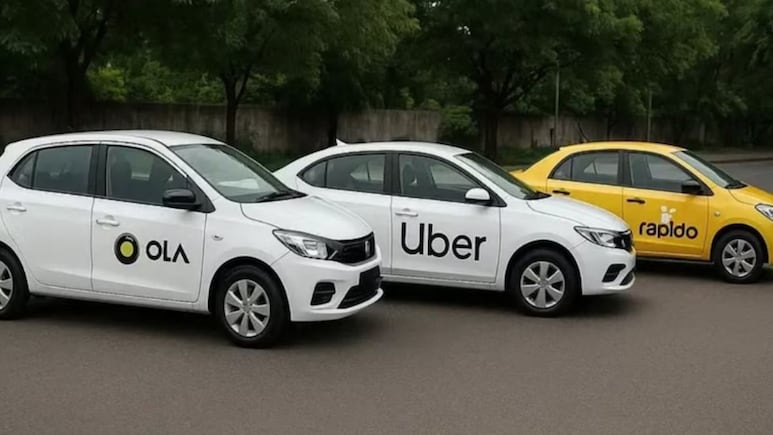
Commuters across India may face travel disruptions on Saturday, as drivers working for ride-hailing apps such as Ola, Uber and Rapido are on a coordinated nationwide strike. The protest, the ‘All India Breakdown,' is likely to see thousands of workers logging out of these platforms for at least six hours. The move is expected to impact cab services, auto-rickshaws and bike taxis.
What Is The Strike And Who Called It?
The Telangana Gig and Platform Workers Union (TGPWU), backed by several labour organisations operating across India, announced the strike. The union described the move as a protest against what it called unfair pricing practices and weak regulation in the sector. It also stated that aggregator platforms continue to decide fares independently despite the existence of the Motor Vehicle Aggregator Guidelines, 2025.
In its post, the union said, “No minimum fares. No regulation. Endless exploitation. Govt must act now. Millions of app-based drivers are pushed into poverty while aggregators profit. Govt silence = platform impunity.”
App-based transport workers across India will observe an All India Breakdown on 7 Feb 26.
— Telangana Gig and Platform Workers Union (@TGPWU) February 4, 2026
No minimum fares. No regulation. Endless exploitation.
Govt must act NOW.
Millions of app-based drivers are pushed into poverty while aggregators profit.
Govt silence = platform impunity pic.twitter.com/zT3e6eZWjm
Why Drivers Are Protesting Fare Policies
The union stated aggregator companies continue to set fares on their own, creating instability for drivers who depend on app-based work for their livelihood.
In another post, the union said, “Despite Motor Vehicle Aggregator Guidelines, 2025, platforms continue to fix fares arbitrarily. Our demands are clear: Notify minimum base fares, end misuse of private vehicles for commercial rides.”
Despite Motor Vehicle Aggregator Guidelines, 2025, platforms continue to fix fares arbitrarily.
— Telangana Gig and Platform Workers Union (@TGPWU) February 4, 2026
Our demands are clear:
✅ Notify minimum base fares
✅ End misuse of private vehicles for commercial rides@nitin_gadkari @MORTHIndia @Ponnam_INC @TGRTAIndia pic.twitter.com/VwA03cfj18
What The Drivers Demand
The union has placed two main demands before the government.
An immediate notification of minimum base fares for app-based transport services, including autos, cabs, bike taxis and other aggregator-based services. The union said these fares should be finalised in consultation with recognised driver and worker unions and should align with the Motor Vehicle Aggregator Guidelines, 2025.
The second is a strict ban on the use of private, non-commercial vehicles for commercial transport of passengers or goods.
Hon'ble @nitin_gadkari ji, @MORTHIndia @Ponnam_INC App-based drivers and riders across India demand government-notified minimum base fares for #Ola, #Uber, #Rapido #Porter other aggregators, as mandated under Motor Vehicle Aggregator Guidelines, 2025. pic.twitter.com/epMHtJKOXS
— Telangana Gig and Platform Workers Union (@TGPWU) February 1, 2026
Is The February 7 Strike Part Of A Wider Wave Of Gig Worker Protests?
The February 7 strike comes after a string of protests by gig workers across several platform-based industries. In December 2025, food delivery and quick-commerce workers held demonstrations over low payouts and demanding working conditions, including during peak business days.
Concerns around gig employment were also flagged in the Economic Survey 2025-26, released on January 30. The survey underlined the fast growth of the gig economy but also highlighted gaps in worker protection.
Track Latest News Live on NDTV.com and get news updates from India and around the world

