





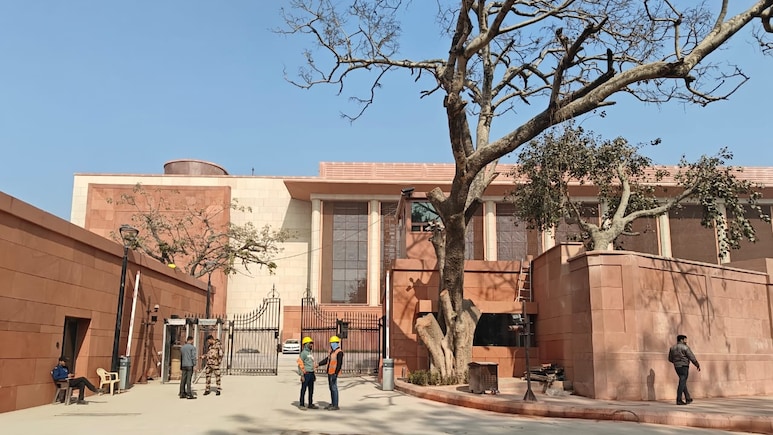
The Prime Minister's Office will soon move out of the imposing sandstone walls of South Block into Seva Teerth, a newly built executive complex under the Central Vista project, marking a decisive break from the architecture and work culture of the past.
For decades, South Block symbolised authority and hierarchy. Thick walls, narrow corridors and closed chambers defined how power functioned. Access was limited, movement was structured, and decision-making remained confined behind heavy doors. Seva Teerth represents a conscious departure from that model.
The new Prime Minister's Office is built on an open floor design. Instead of enclosed cabins, officials now work in shared spaces meant to encourage collaboration and faster coordination. Senior officials say the design is intended to change how people interact within the system and reduce layers of formality that came with the old building.
While South Block carried a colonial architectural imprint, Seva Teerth blends modern design with Indian civilisational elements. The interiors reflect cultural motifs drawn from India's heritage while keeping the overall structure functional and minimal. The Prime Minister's private and ceremonial meeting rooms have been redesigned to host foreign leaders and international delegations in a setting that combines tradition with contemporary infrastructure.
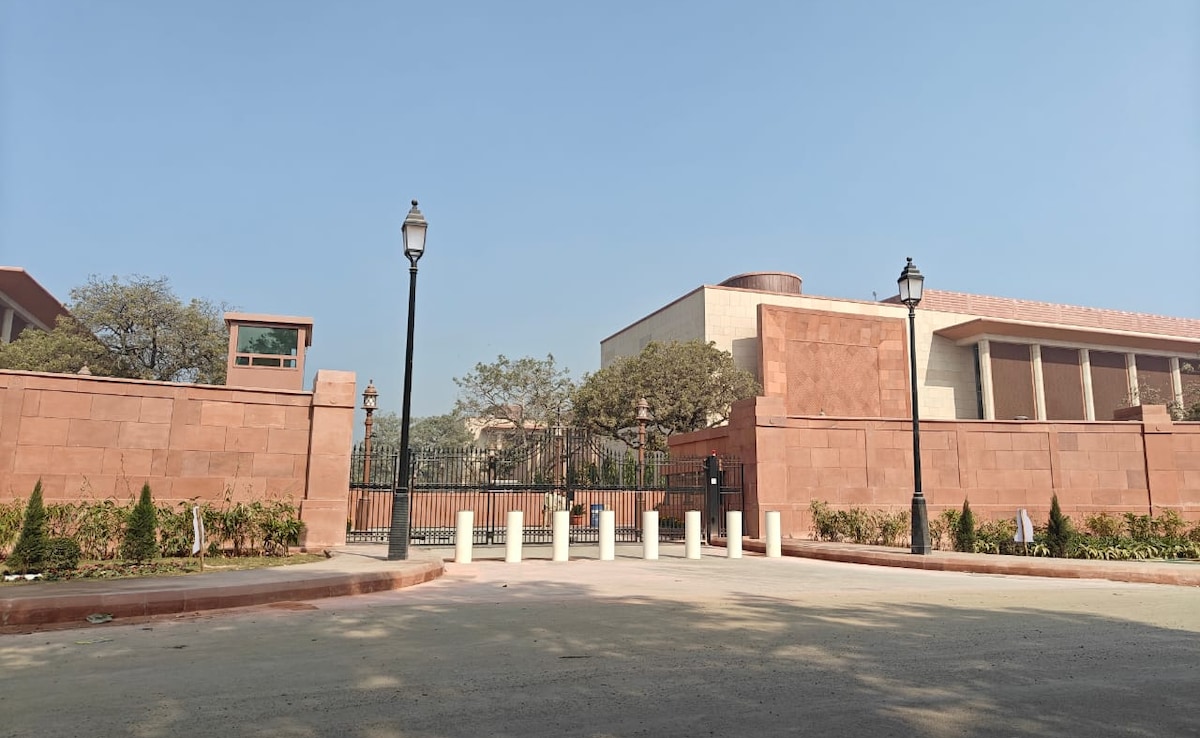
Technology is another defining difference. South Block was retrofitted over the years to accommodate modern needs. Seva Teerth, by contrast, has been built from the ground up with encrypted communication systems, advanced cybersecurity networks and integrated security architecture. Officials say the building is earthquake-resistant and designed to remain operational under all conditions.
A key addition is a modern conference facility known as 'India House' within the Prime Minister's Office (PMO) complex. It is designed for high-level bilateral meetings, international conferences and press interactions. Such a dedicated space did not exist within the PMO earlier, requiring multiple arrangements across different venues.
Seva Teerth is not just a new address for the PMO. It brings together the highest centres of governance within a single campus. Seva Teerth One houses the PMO, Seva Teerth Two the Cabinet Secretariat and Seva Teerth Three the National Security Council Secretariat, along with the office of the National Security Advisor. In the old system, these institutions functioned from separate locations, often slowing coordination on sensitive matters.
The shift also carries ideological messaging. Originally referred to as the Executive Enclave, the complex was renamed Seva Teerth, a phrase that places service at the centre of governance. Officials describe it as part of a broader transition from authority-driven administration to responsibility-based governance.
Once the PMO fully vacates South Block, the historic North and South Blocks will be converted into a public museum, the Yug Yugin Bharat Sangrahalaya. The move signals the end of an era where colonial buildings housed independent India's power centres.
According to the officials, Seva Teerth, built at a cost of nearly Rs 1,200 crore, stands as a statement that governance is not just changing spaces but redefining how power is exercised.
Track Latest News Live on NDTV.com and get news updates from India and around the world

