





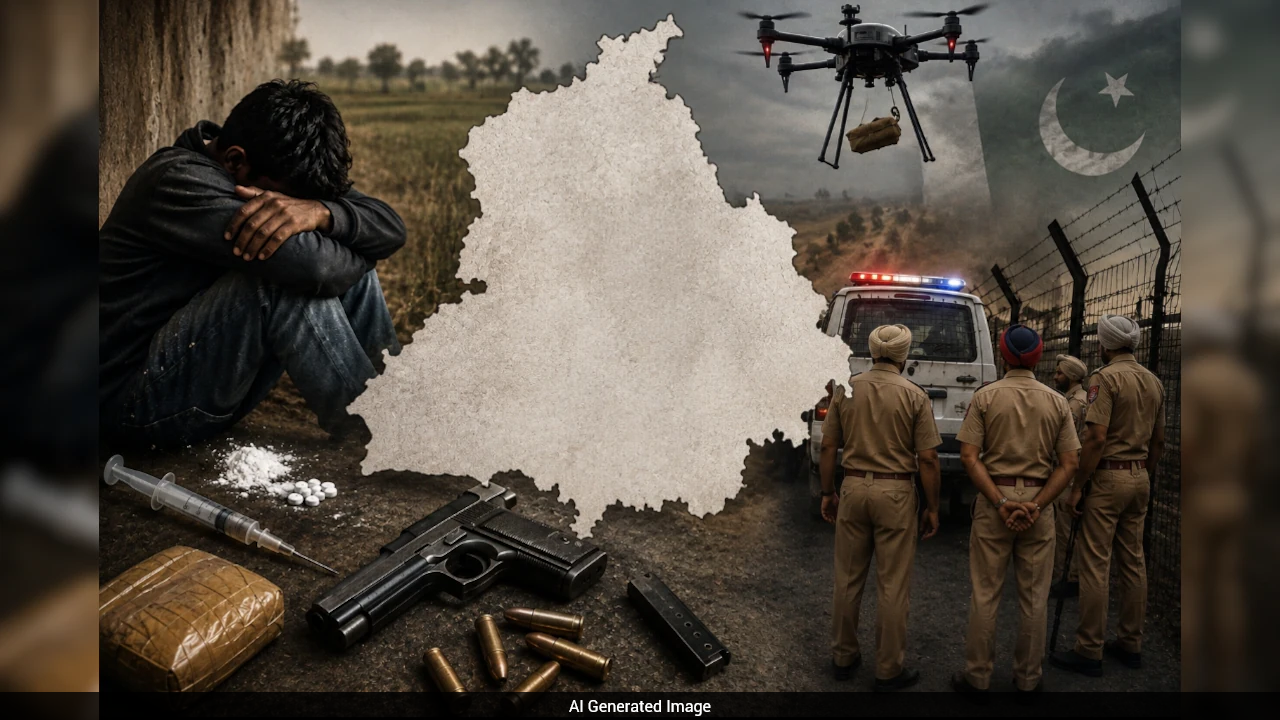
A video shared by BJP Rajya Sabha MP Harbhajan Singh triggered yet another political war over Punjab's drug crisis. Singh shared a video showing two men apparently in an intoxicated state and presented it as a reflection of Punjab's situation. AAP leaders hit back, accusing him of maligning Punjab, before it emerged that the video was actually from Sri Ganganagar in Rajasthan, not Punjab. The video may have been wrongly attributed to Punjab, but the political spat has once again exposed a much larger and deeply uncomfortable reality: Punjab's drug problem is real, and it is no longer merely a law-and-order issue.
ਨਜ਼ਰ ਲੱਗ ਗਈ ਯਾਰ ਸਾਡੇ ਪੰਜਾਬ ਨੂੰ… 💔
— Harbhajan Turbanator (@harbhajan_singh) August 10, 2026
ਸਰਕਾਰਾਂ ਨੇ ਕੀ ਹਾਲ ਬਣਾ ਦਿੱਤਾ ਪੰਜਾਬ ਦਾ ਤੇ ਪੰਜਾਬੀ ਨੌਜਵਾਨਾਂ ਦਾ। ਰੋਣਾ ਆਉਂਦਾ ਏ ਇਹ ਸਭ ਦੇਖ ਕੇ। 😢
ਬਖ਼ਸ਼ ਦਿਓ ਮੇਰੇ ਪੰਜਾਬ ਨੂੰ… ਮਾਫ਼ ਕਰੋ ਪੰਜਾਬ ਨੂੰ। 🙏
ਕਿੱਥੇ ਲੈ ਆਏ ਓ ਪੰਜਾਬ ਨੂੰ?
ਜਿਹੜਾ ਪੰਜਾਬ ਕਦੇ ਚੜ੍ਹਦੀ ਕਲਾ, ਹਿੰਮਤ ਤੇ ਬਹਾਦਰੀ ਲਈ ਜਾਣਿਆ ਜਾਂਦਾ ਸੀ, ਅੱਜ ਉਸੇ ਪੰਜਾਬ… pic.twitter.com/RAp3aYy0i2
बीजेपी के कई लोगों ने कल ये झूठ एक साथ फैलाया। क्या आदेश PMO से आया था? क्या PMO देश में झूठ फैलाता है? https://t.co/am7NBkGPQf
— Arvind Kejriwal (@ArvindKejriwal) August 11, 2026
Punjab's drug problem is increasingly becoming a narco-terror and organised-crime challenge, where drugs, illegal weapons, gangsters and Pakistan-based handlers are beginning to intersect. The most worrying part is that the state is fighting the symptoms at a scale that is unprecedented, but the larger ecosystem remains remarkably resilient.
The Mann government can point to an enormous enforcement record. Since the launch of Yudh Nasheyan Virudh campaign in March 2025, Punjab Police has registered 36,178 FIRs and arrested 51,648 alleged drug smugglers in the first year alone, besides seizing 2,277 kg of heroin and recovering Rs 16.7 crore in drug money. By early 2026, Mann was also claiming that more than 95,000 arrests had been made in drug-related action since March 2022, with more than 71,000 NDPS FIRs registered during the AAP government's tenure.
Read | Analysis: How Drugs Issue Could Become BJP's Trump Card in Punjab
Similarly, Gangstran Te Vaar, launched in January 2026, has produced staggering numbers: more than 58,000 people have been acted against in 200 days, with large-scale raids, weapon recoveries and action against gangster networks. These numbers demonstrate that the state is not doing nothing. But they also raise the uncomfortable question: if thousands of arrests, thousands of FIRs and countless raids are required year after year, why does the underlying problem continue to reproduce itself?
That is where Punjab's challenge becomes more complicated. Police and security agencies are increasingly describing narco-terror as a cross-border threat, with Pakistan-based handlers using drones and criminal networks to push narcotics and weapons into Punjab. Recent operations have once again exposed this pipeline: an Ajnala seizure included an AK rifle, 25 pistols, magazines and ammunition, with investigators suspecting drone-based delivery and links to overseas handlers. Punjab Police has also recently busted Pakistan-linked terror modules in which foreign handlers allegedly recruited local youth and tasked them with surveillance, weapons procurement and attempts to disrupt public order.
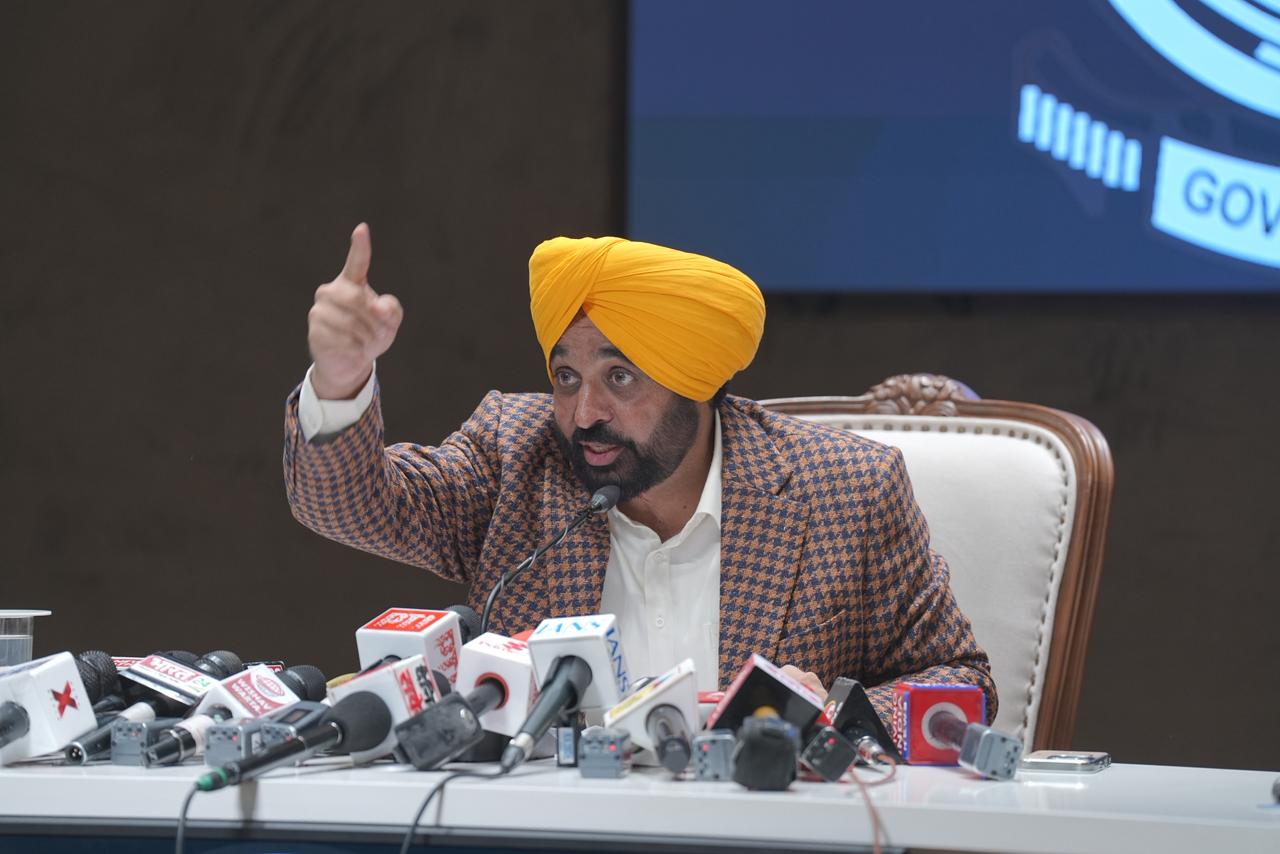
Bhagwant Mann launched Yudh Nasheyan Virudh campaign in March 2025
And there is a second, less visible danger. The objective may not always be a spectacular terror attack. As one senior police officer puts it, the weapons coming across the border are also meant "to disturb our society." The question is increasingly difficult to ignore: how is it that an ordinary criminal, gangster or even a young man involved in a petty dispute can so easily appear with a sophisticated firearm? Every shooting creates another layer of fear, another cycle of retaliation and another opportunity for criminal networks to establish themselves.
Read | Analysis: The Rise Of Religious Yatras In Punjab Ahead Of 2027 Polls
The officer's assessment is particularly significant: Pakistan-based handlers, he believes, want to destabilise Punjab socially, creating enough criminality and disorder for their local networks to operate with greater ease. This is the point where the drug problem and the arms problem stop being separate issues. Drugs generate money. Money sustains criminal networks. Criminal networks provide logistics and manpower. Weapons amplify their capacity to intimidate, extort and kill. And somewhere in that ecosystem, a foreign handler can find a local operative willing to do the job.
ਪੰਜਾਬ 'ਚ ਨਸ਼ੇ ਦਾ ਕਹਿਰ ਦਿਨੋਂ-ਦਿਨ ਵਧਦਾ ਜਾ ਰਿਹਾ ਹੈ, ਆਏ ਦਿਨ ਨਸ਼ੇ ਨਾਲ ਝੂਮਦੇ ਨੌਜਵਾਨਾਂ ਦੀਆਂ ਵੀਡੀਓਜ਼ ਆਮ ਤੌਰ 'ਤੇ ਸਾਹਮਣੇ ਆਉਂਦੀਆਂ ਨੇ, ਇਹ ਜੋ ਵੀਡੀਓਜ਼ ਨੇ ਇਹ ਪੰਜਾਬ ਦੇ ਹੀ ਨੌਜਵਾਨਾਂ ਦੀਆਂ ਨੇ ਇਸ ਬਾਰੇ ਪੰਜਾਬ ਪੁਲਿਸ ਕੋਲ ਕੋਈ ਜਵਾਬ ਹੈ ? ਉਮੀਦ ਹੈ ਤੁਸੀਂ ਇਸ ‘ਤੇ ਵੀ ਜਵਾਬ ਦਿਉਗੇ । https://t.co/i4VbsRBvNr pic.twitter.com/F2rys7dYxq
— BJP PUNJAB (@BJP4Punjab) August 11, 2026
The state's response, however, often remains trapped in the language of campaigns. There are bike rallies, cycle rallies, awareness drives, e-rickshaw campaigns, school programmes, helplines and endless messaging. The government has even proposed a Rs 42.95-crore action plan for prevention, treatment, rehabilitation and outreach for 2026-27. Awareness matters, and rehabilitation matters. But awareness alone cannot dismantle a supply chain stretching across borders, ports, drones, gangsters and local peddlers. A rally can create awareness; it cannot intercept a drone. A poster can change a conversation; it cannot dismantle a financial network.
And this is where the political debate in Punjab needs to mature. For nearly 15 years, governments have changed, slogans have changed and campaigns have changed, but the fundamental crisis has survived. Congress blamed the Akalis. The AAP blamed previous governments. The BJP blames the state government. The state blames the Centre and Pakistan. Everyone has a part of the explanation. Nobody has yet produced a sufficiently credible long-term blueprint to change Punjab's trajectory.
The same problem is visible in Punjab's finances. The 2026-27 budget projects outstanding debt at about Rs 4.48 lakh crore by March 2027, while the state is still budgeting for a revenue deficit of Rs 21,955 crore and a fiscal deficit of nearly Rs 40,000 crore. The question is not simply how much Punjab borrows. The bigger question is what Punjab is borrowing for, and whether that borrowing is creating an economy capable of paying it back.
That is why the drug crisis, the arms crisis, the gangster crisis and the fiscal crisis cannot be viewed as separate stories. They are symptoms of the same larger problem: a state that increasingly struggles to generate enough productive economic opportunity, social stability and institutional capacity to secure its future.
Punjab's political class often treats the state like a five-year college assignment: prepare a project, make a presentation, announce a few schemes, campaign for votes and move on. But Punjab cannot be governed in five-year instalments anymore. Its problems have accumulated over decades and require a generational response.
The state does not merely need another government, another slogan or another "war" against another menace.
Punjab needs a vision for survival, economically, socially and strategically. Otherwise, governments may keep announcing victories while the crisis keeps winning on the ground.

