



A citizen-led campaign has gained momentum with the launch of an online email petition urging authorities to scrap a controversial new uniform definition of the Aravalli Hills and Ranges, adopted by the Supreme Court on November 20. The group "People for Aravallis" initiated the petition, which has already garnered over 4,000 signatures and aims for 100,000 to amplify pressure on decision-makers.
The email petition will be sent to a total of 30 decision makers, including the Supreme Court, Union Environment Minister Bhupender Yadav, Chief Ministers of the four states (Delhi, Haryana, Rajasthan and Gujarat), and around 30 senior bureaucrats, urging immediate action: recall the judgment, declare the entire range a "critical ecological zone," halt mining near sensitive areas, and promote alternative materials to end dependence on Aravalli stone.
The Supreme Court's ruling accepted recommendations from a committee led by the Ministry of Environment, Forest and Climate Change (MoEFCC), defining an "Aravalli Hill" as any landform rising at least 100 metres above local relief, including its slopes and adjacent areas. Clusters of such hills within 500 metres of each other form an "Aravalli Range."
While the court imposed a moratorium on new mining leases pending a comprehensive management plan for sustainable mining, critics argue the height-based criterion excludes approximately 90 per cent of the range's low-lying ridges, scrub forests, and grasslands from protection.
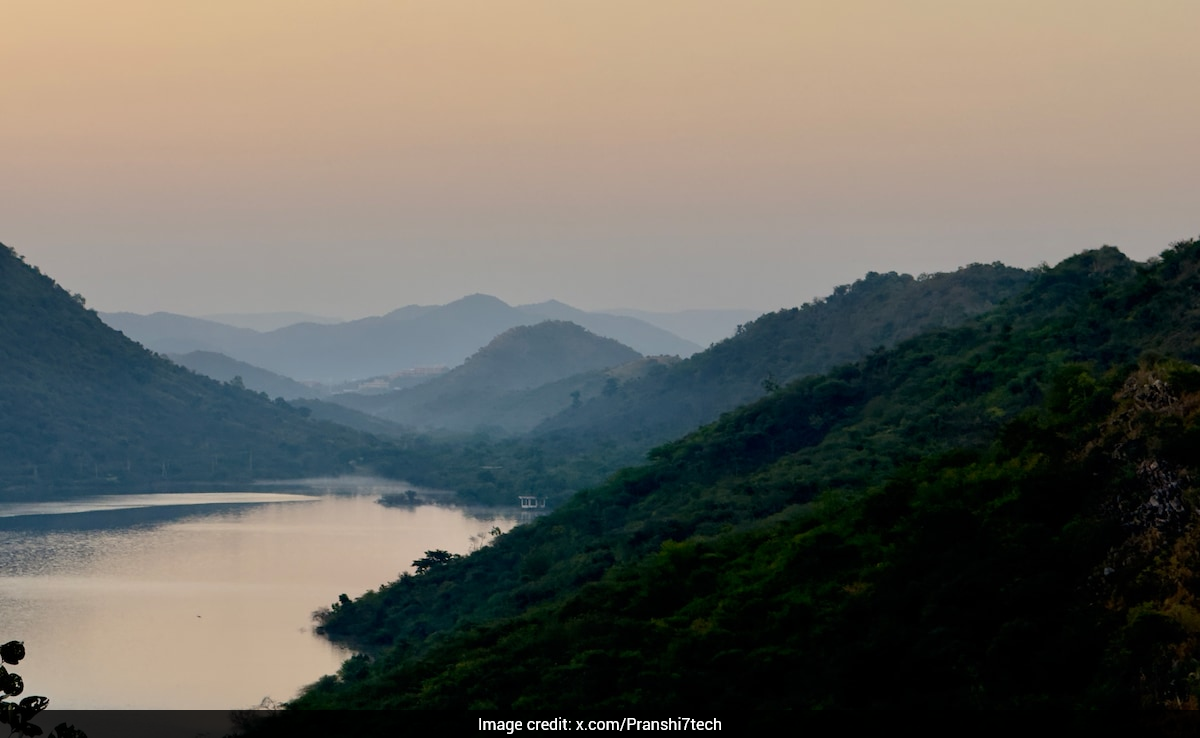
Environmental activists warn that this could open vast ecologically sensitive areas to mining, exacerbating desertification from the Thar Desert, depleting groundwater recharge zones, shrinking wildlife habitats, and worsening air and water pollution in north-west India. The 692-km Aravalli range, one of the world's oldest geological formations spanning Delhi, Haryana, Rajasthan, and Gujarat, serves as a critical barrier against desert advancement, a major aquifer recharge system (estimated at 2 million litres per hectare), and is home to over 200 bird species, leopards, hyenas, and other wildlife.
"The narrow definition risks irreversible damage to north-west India's only shield against desertification, a vital pollution sink, and lifeline for clean air and water for millions," states the petition. It also highlights impacts on rural communities dependent on the hills for grazing, medicinal herbs, and livelihoods, as well as rising health issues like silicosis from mining dust.
The key demands include: Scrapping the 100-metre uniform definition, recalling the November 20 judgment, declaring the entire Aravalli range a "critical ecological zone", halting mining and stone-crushing near habitations, farms, water bodies, and wildlife areas, and promoting alternative building materials to reduce demand for mined stone.
The campaign has sparked widespread protests, human chains, and the #SaveAravalli trend on social media, with support from former Rajasthan Chief Minister Ashok Gehlot and others who called the ruling a "death warrant" for the range. Proponents of the definition argue it provides scientific uniformity and allows regulated, sustainable mining while curbing illegal activities.
As signatures continue to pour in, activists emphasise the Aravallis' role in regulating climate, preventing man-animal conflict, and sustaining water security amid falling groundwater levels and drying rivers in the region.
"India's oldest mountain ecosystem deserves strict protection, not definitions that facilitate exploitation," the petition said.
Track Latest News Live on NDTV.com and get news updates from India and around the world

