





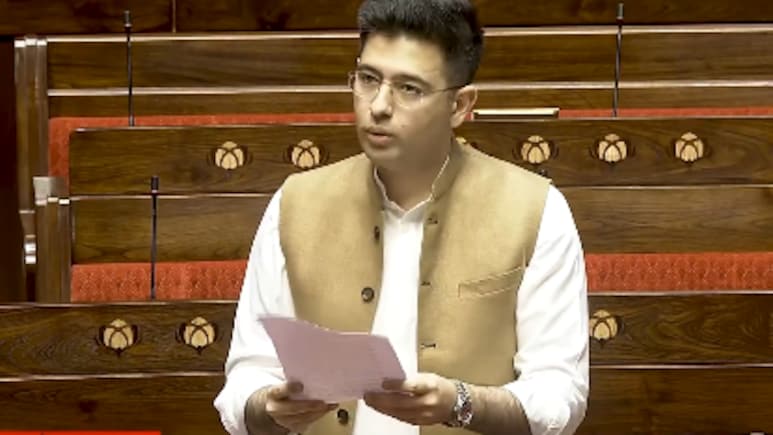
Millions of prepaid mobile users risk being cut off in emergencies due to restrictive recharge rules, Rajya Sabha MP Raghav Chadha said in Parliament on Wednesday. Prepaid subscribers make up nearly 90 per cent of India's 125 crore mobile users, the Aam Aadmi Party leader said. He called for longer incoming call validity, extended number deactivation periods, and a rethink of "monthly" recharge cycles for users.
“Once validity ends, people cannot be reached, and even essential messages like bank OTPs may not come through. In emergencies or urgent situations, this can leave a person completely cut off," Chadha later wrote on X.
Today in Parliament, I raised concerns affecting India's prepaid recharge customers, who account for nearly 90% of the country's 125 crore mobile users.
— Raghav Chadha (@raghav_chadha) March 11, 2026
(1)
If a recharge expires, stopping outgoing calls may be understandable. But why are incoming calls stopped as well? Once… pic.twitter.com/whF4PU5sgR
Chadha also raised issues with 28-day "monthly" recharge plans.
"If something is called monthly, it should follow the calendar month of 30-31 days. Because of the 28-day cycle, consumers effectively end up paying for 13 recharges in a year," he said.
He laid out specific demands in favour of the users, including the continuation of incoming calls and SMS for at least one year after the last recharge so that essential communication is not disrupted. Mobile numbers should not be deactivated for at least three years after the last recharge, he demanded.
He said telecom operators should offer a low-cost “incoming only” plan for users who only need their number to remain active for essential calls, OTPs, and government services.
He also wanted telecom companies to align recharge plans with actual calendar months, instead of the 28-day cycle.
India's current prepaid recharge system, while flexible, has several drawbacks for consumers. Many plans are marketed as “monthly” but actually last only 28 days. When a plan expires, incoming calls and messages may stop immediately or after a very short grace period.
The bundled nature of most plans (data + calls + SMS) means users often pay for data they don't need, and confusing pricing with hidden fees or unclear validity makes choosing the right plan difficult.
Low-usage customers, senior citizens, or people abroad risk SIM deactivation if they miss a recharge. Dependence on digital payment platforms also limits access for those without smartphones or reliable internet.
“A mobile phone today is not a luxury. It is a lifeline. Prepaid recharge customers deserve fairness and transparency. Not clever fine print,” Chadha said.
Track Latest News Live on NDTV.com and get news updates from India and around the world

